Partner Spotlight: Beneath the Surface with Ghost Diving
Pascal van Erp on ghost fishing, volunteer divers, and taking ownership beneath the surface
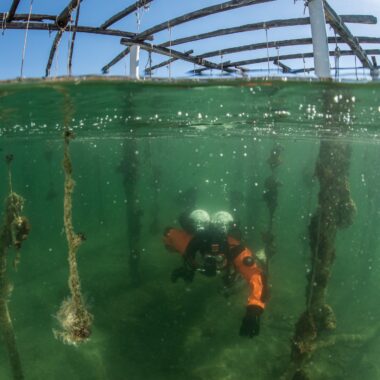
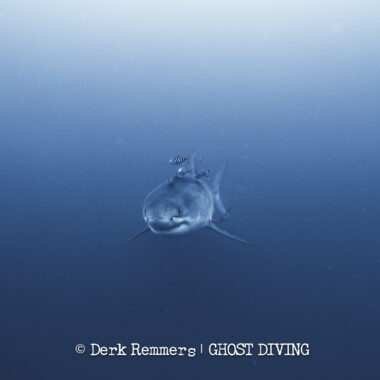
With a global network of highly trained technical divers, Ghost Diving acts almost like the lymphatic system of Healthy Seas cleanup projects identifying, assessing, and removing lost fishing gear and marine debris from underwater ecosystems worldwide. At the same time, Ghost Diving also operates independent missions across the globe, leading their own initiatives to tackle ghost fishing wherever it occurs.
Founded in 2009, Ghost Diving is the largest and most experienced organization dedicated specifically to addressing the phenomenon of “ghost fishing.” Its divers are volunteers who donate their time, expertise, and technical diving skills to recover lost nets, lines, and other debris from some of the most challenging underwater environments.
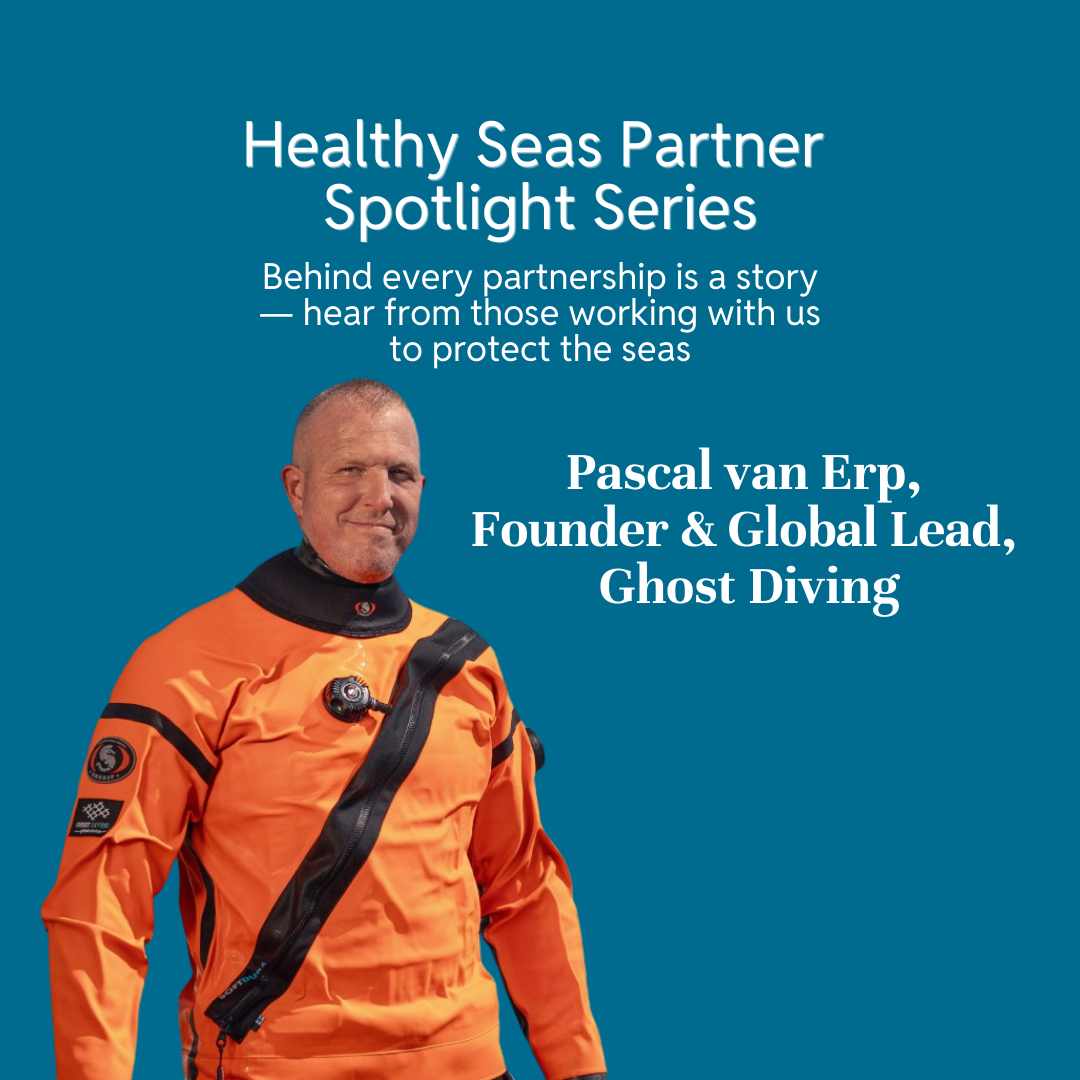
We spoke with Pascal van Erp, Founder of Ghost Diving and Global Lead for its international chapters, about what drives him, what the ocean represents, and why taking ownership of our waste is a responsibility none of us can escape.
Interview – Pascal van Erp, Founder of Ghost Diving and Global Lead for its international chapters
Tell us briefly about your organisation.
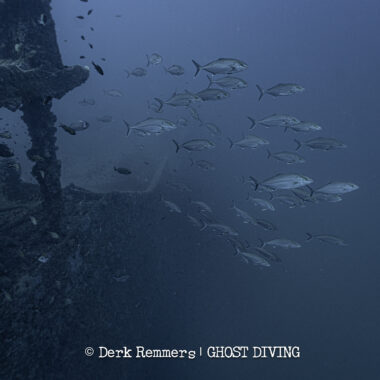
Ghost Diving Foundation is a global non-profit diving organization run by technical divers who have specialized in removing lost fishing gear and other marine debris since 2009. Our efforts have brought the phenomenon of “ghost fishing” to the public’s attention through important international partnerships, unparalleled results, and breathtaking underwater images. Ghost Diving is the largest and most experienced organization focusing on the phenomenon of “ghost fishing,” with a track record in numerous countries and international waters.
What does the ocean mean to you personally?
The ocean means life, and not just underwater life, but it also regulates the climate, all water cycles in the world, connects ecosystems, and provides food. If you ask me, it is the most important thing we have on this planet.
Earth or Mars?
The Earth. In terms of the information available, Mars does not come close to Earth in terms of diversity.
Which is your favourite place on Earth? And why?
I don’t have a specific place in mind, but any place that would be suitable must have a combination of water (ocean or lakes) and mountains. This is because I can’t choose between those two environments.
What is one small habit everyone can adopt to help reduce ocean pollution?
In most cases, ocean waste comes from land, so take responsibility for your waste footprint. Always make sure you take your waste back with you to where you came from, or to a place where it will be collected immediately and not left unattended. In my opinion, this also includes public trash cans. Unfortunately, a public trash can often becomes a problem for the surrounding area if you leave your waste there. In short: Take ownership of your waste.
What’s the most surprising thing you’ve learned about marine pollution?
Many underwater organisms and animals attach themselves to certain types of plastic. This often presents us with a dilemma when it comes to removing it, as it appears that the waste has become one with nature, but it remains plastic pollution.
What’s the most memorable thing you have experienced with/thanks to Healthy Seas?
Working with many different disciplines and specialisms, including those I never expected to encounter. In our Ghost Diving organizations, this is a little more difficult, as the main task there is diving, and everyone involved is often connected to this in one way or another.
If you could send one message to the world about ocean conservation, what would it be?
Care for the ocean as if your life depends on it, because it does.
Can you share a moment when you felt truly hopeful about the future of our oceans?
Every time I see large groups of dolphins, sharks, or other large marine animals further out at sea. I have the impression that they are coming closer to coastal areas less and less, because of humans, so it makes me happy to see that they are still there.
What’s the most incredible transformation you’ve seen as a result of ocean cleanup efforts?
The moment when a clean-up operation has the desired effect of nature greedily reclaiming the site.
How has your work with Healthy Seas changed your perspective on a particular problem or challenge?
Nature conservation is not always appreciated. Issues such as greed, hidden agendas, and sometimes even envy regularly pose challenges in our work.
If you could solve one ocean-related issue instantly, what would it be?
I would immediately impose a global ban on industrial fishing. This would not only benefit fish stocks, but also save small-scale traditional fishing from extinction.
How do you see your organization evolving to support ocean sustainability in the next decade?
We are growing, and more and more divers want to join our work, enabling us to spread our message even further.
What’s one thing you’d love to do with Healthy Seas in the future?
Collaborating with governments to tackle the loss of fishing gear and the dumping and abandonment of fish farms. Surprisingly, not enough is being done about these issues.
What is your favourite marine animal and why?
The octopus. These animals are special because they possess extraordinary intelligence, shape-shifting camouflage, and almost alien biology, such as three hearts and arms that think independently. In addition, they also have a sense of humor and do things that are not always logical. It fascinates me enormously.
Volunteers Beneath the Surface
Behind every recovered ghost net is a diver who chose to descend into cold, dark, and often challenging waters voluntarily.
Ghost Diving’s network of divers is what makes many Healthy Seas operations possible. They know their local waters. They act quickly. They operate with discipline and technical precision. And they do it without compensation driven purely by commitment to marine protection.
For companies looking to partner with Healthy Seas, this collaboration with Ghost Diving demonstrates something fundamental: ocean conservation is not theoretical. It is hands-on, measurable, and powered by people willing to act.
Discover more Partner Spotlights featuring Laskaridis, Arena, Hyundai, Friedmans, Aquafil Group, AquafilSLO, DWS, Bracenet, Object Carpet, and GAMOMAT. and others and see how different organizations contribute to cleaner seas.