
From Sea to Shore: Three Days of Ocean Action with Hyundai in California
Beach clean-up, ghost-net recovery and ocean education came together in Southern California
What does protecting the ocean look like in practice? Sometimes it means removing litter before it reaches the water. Sometimes it requires highly trained divers working more than 30 metres below the surface. And sometimes it begins with a child imagining the marine animal they want to protect.
From 11 to 13 July, Healthy Seas and Hyundai Motor North America brought these different forms of action together through “From Sea to Shore”, a three-day programme in Southern California combining employee engagement, underwater clean-up and ocean education.
The programme marked another step in the expansion of the Healthy Seas–Hyundai partnership in the United States. Hyundai Motor North America’s 2026 support will also contribute to additional Healthy Seas diving missions later in the year, extending the impact beyond these three days.
Protecting the ocean begins on shore
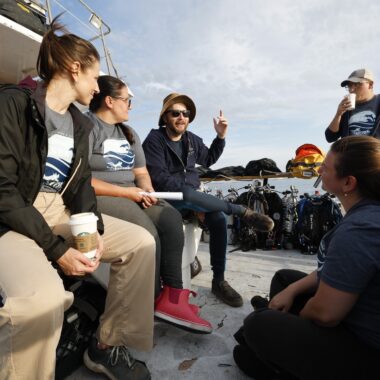
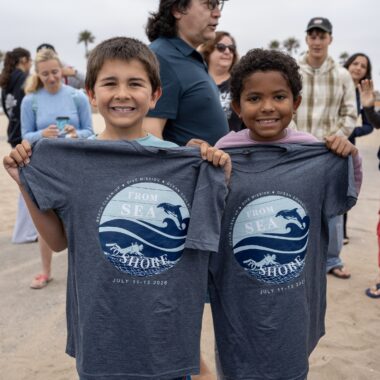
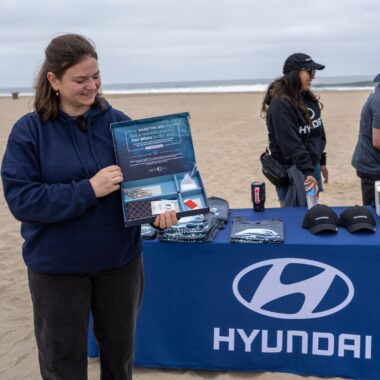
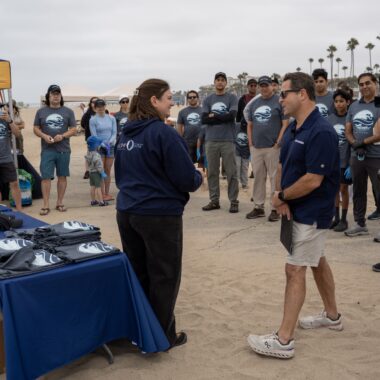
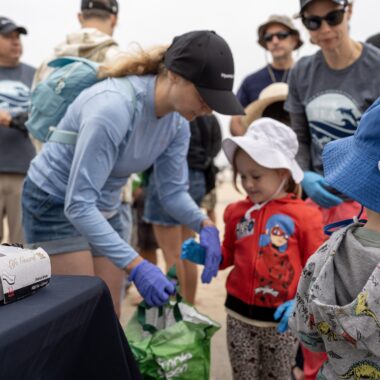
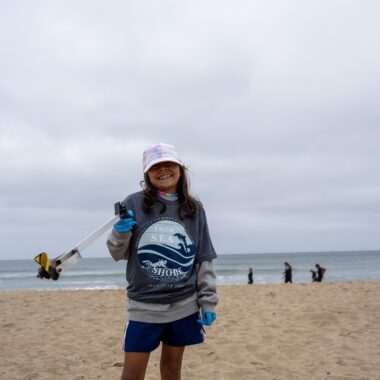
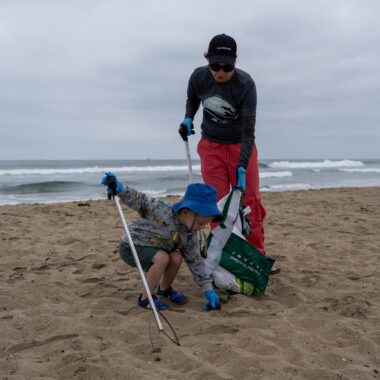
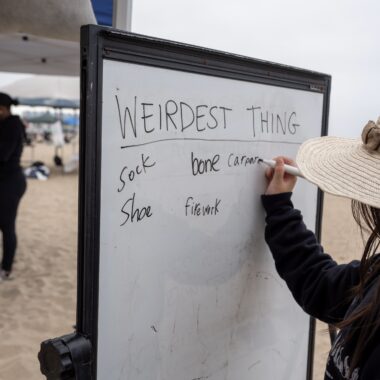
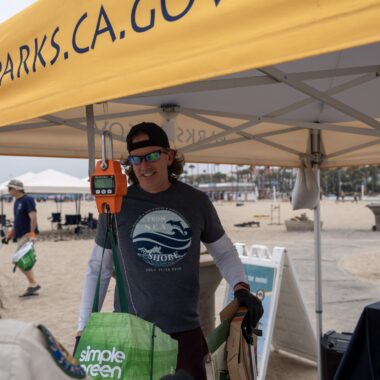
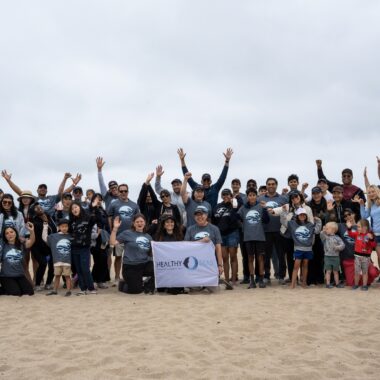
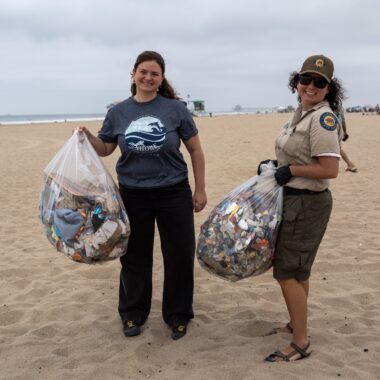
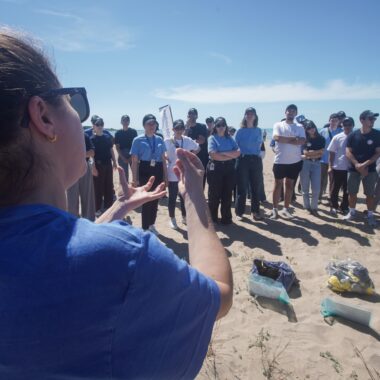
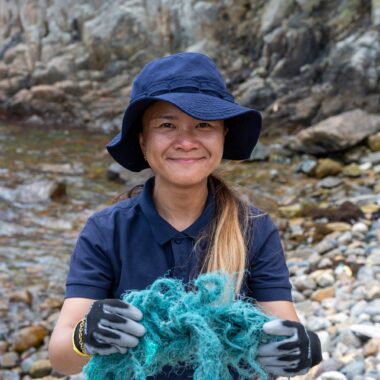
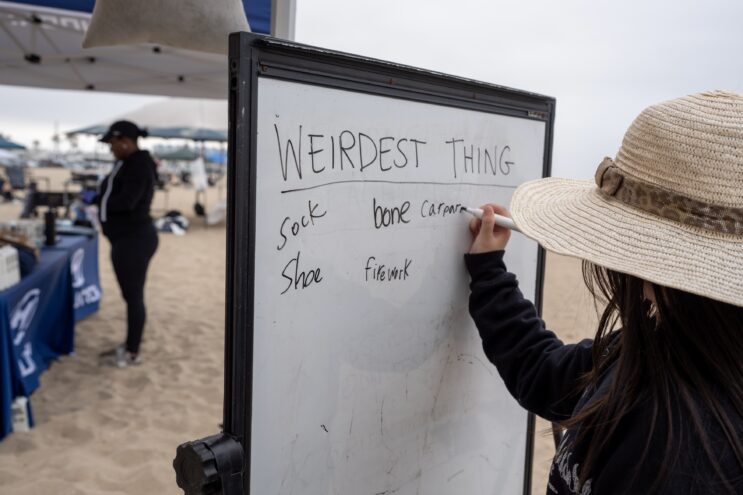
The programme began at Huntington State Beach, where 37 Hyundai employees and family members, together with 11 children, joined Healthy Seas and California State Parks for a morning clean-up. Participants collected 68 pounds, or 30.8 kilograms, of litter from the beach, waterline and nearby parking areas. Cigarette butts were the most common item found.
Picture: Healthy Seas
The activity also helped participants understand how litter left on land can be carried into the ocean by wind, waves and tides. They learned how to distinguish waste from natural beach materials and how to protect the nesting areas of the western snowy plover.
Taking action below the surface
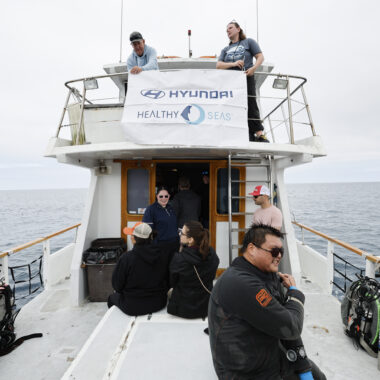
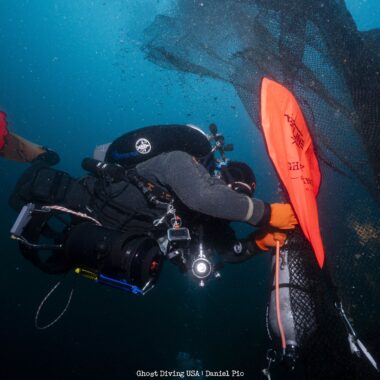
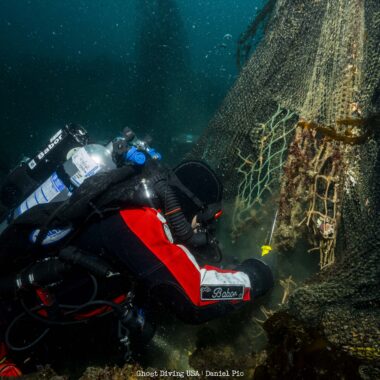
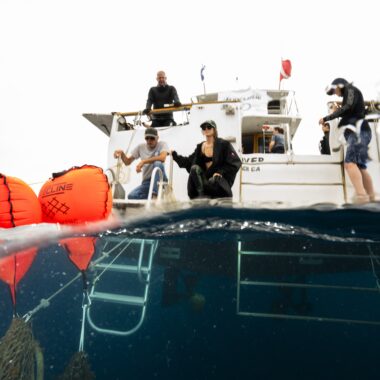
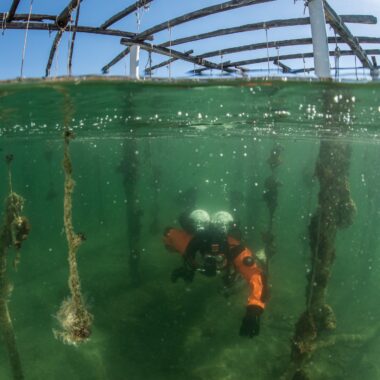
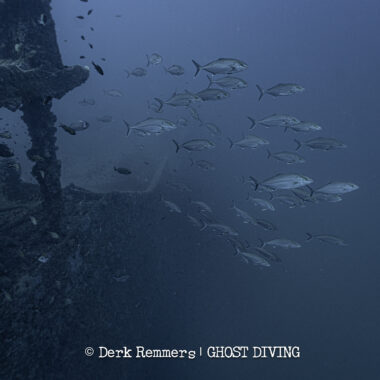
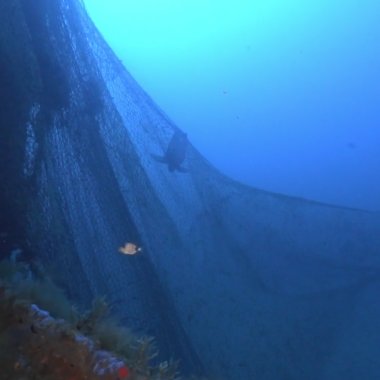
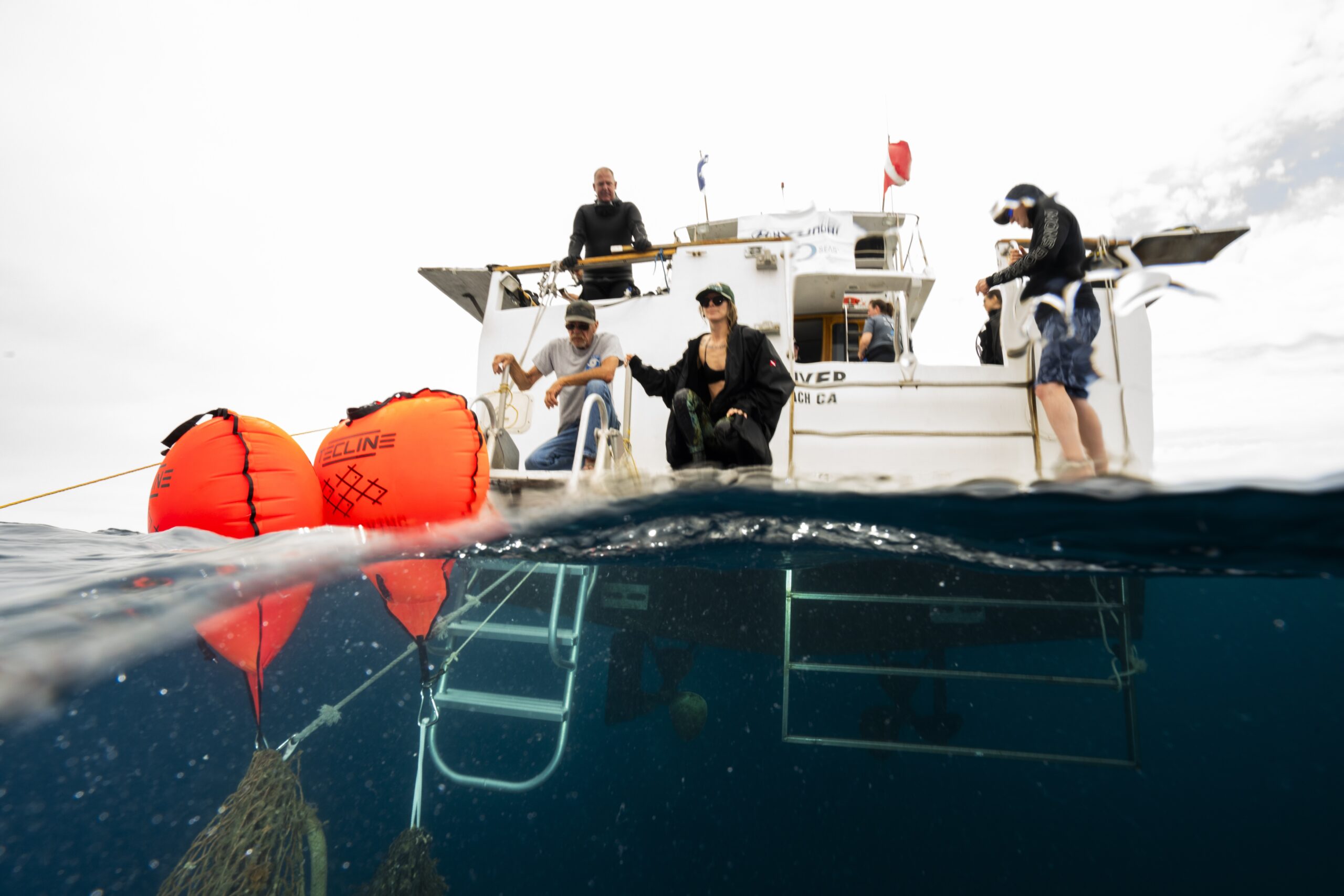
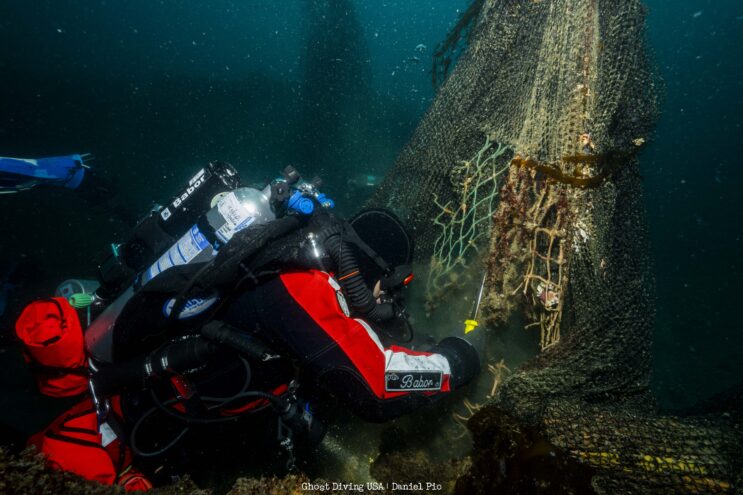
The following day, the focus moved offshore to the Midnight Hour wreck near Catalina Island. The vessel sank in 2011 and now lies at a depth of approximately 30–33 metres. Over time, it has become an artificial reef supporting fish, anemones, lobsters and other marine life. However, a large purse seine net that sank with the vessel has continued to spread across the wreck and surrounding seabed.
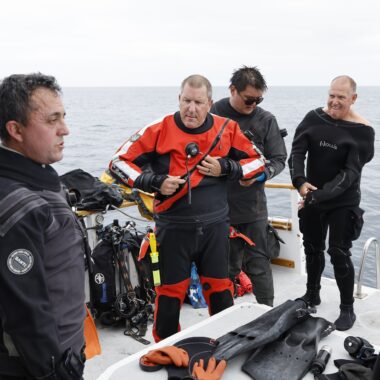
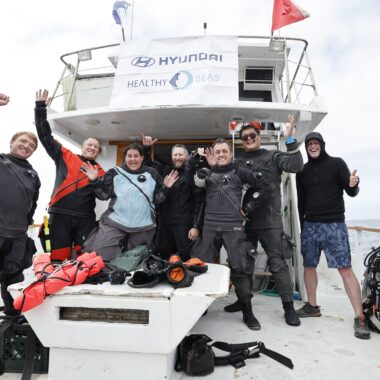
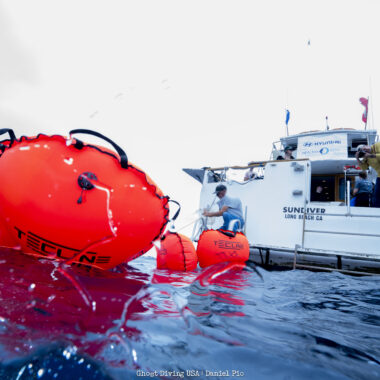
Six volunteer technical divers from Ghost Diving USA recovered many metres of netting. During the operation, they released a fish caught in the net, while small crustaceans and marine snails brought to the surface with the recovered material were carefully returned to the ocean.
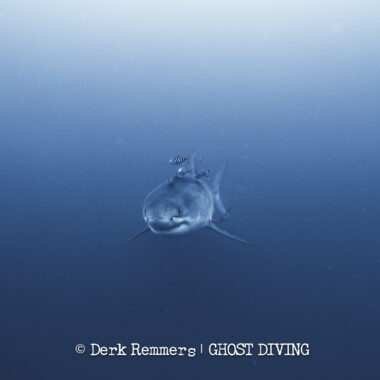
The divers also encountered a protected giant sea bass, a powerful reminder of the marine life these missions help safeguard. Because the remaining net continues to unravel, the July operation forms part of a longer process. Further diving missions supported by Hyundai Motor North America are planned during the year.
Picture: Daniel Pio, Ghost Diving USA
Inspiring the next generation
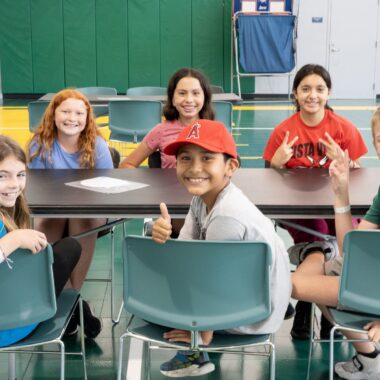
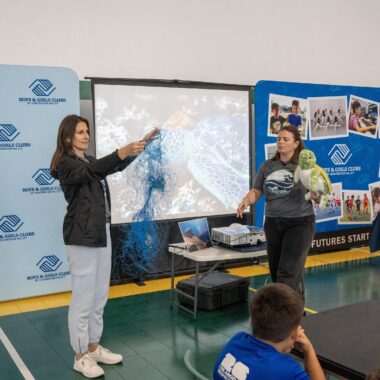
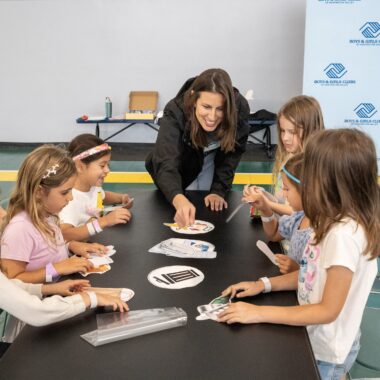
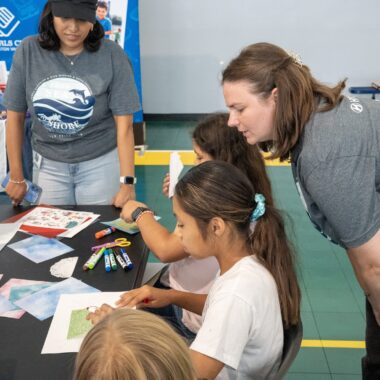
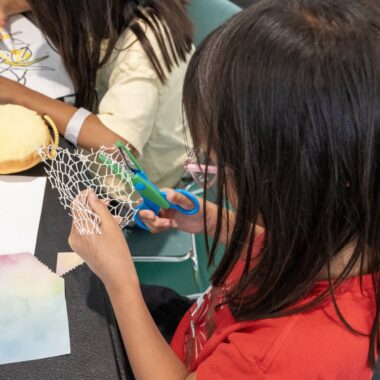
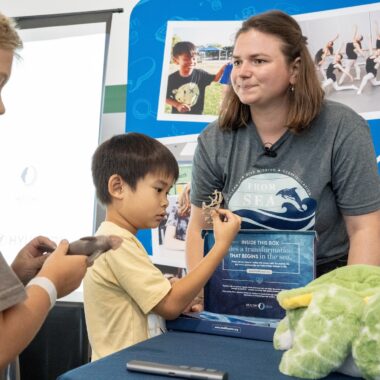
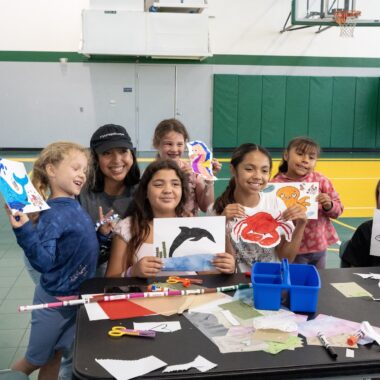
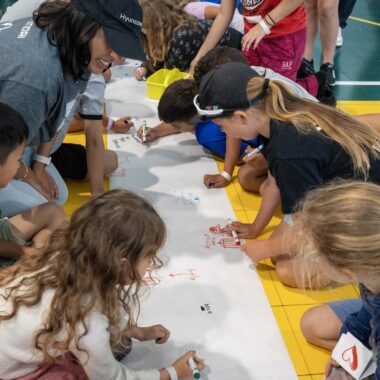
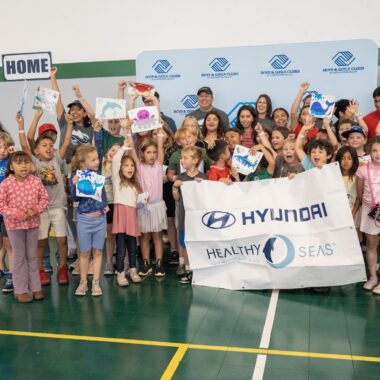
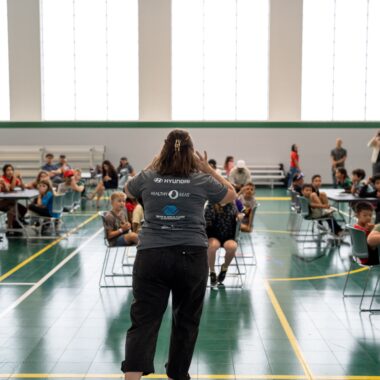
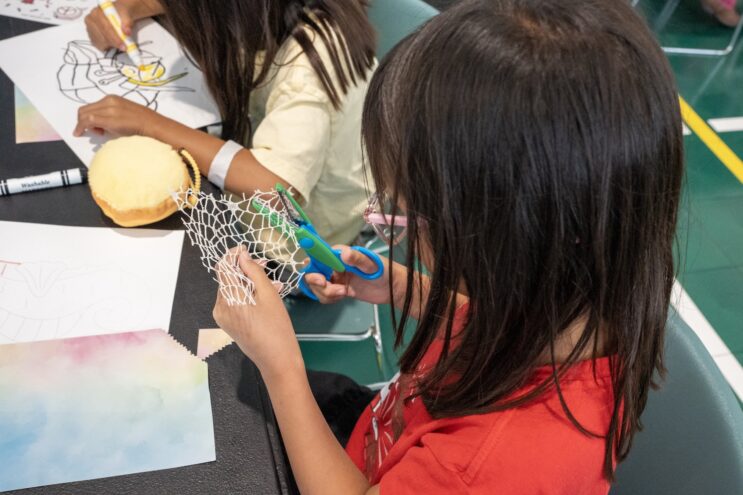
The final activity took place at the Boys & Girls Clubs of Huntington Valley, where 40 children joined an interactive Ocean Heroes Workshop. Through quizzes, storytelling and creative activities, the children discovered animals found in California waters and explored what they need to thrive. The story of Tilly the Turtle introduced the problem of lost fishing nets and showed how divers, communities and recycling partners can work together to protect marine wildlife. Each child then created their own ocean animal and added a personal promise to a shared banner, identifying one action they could take to help the ocean.
Picture: Healthy Seas
By bringing together Hyundai employees and families, volunteer divers, educators, children and local organisations, the three days showed how much can happen when different forms of ocean action are connected.
Marine litter is a complex problem, but protecting the ocean can begin in many places: on a beach, beside a shipwreck, in a classroom or with a promise made by a child.