
The Wreck, the Nets and the Shark – Life under Threat
Inside a High-Seas Mission to Protect a Hidden Mediterranean Ecosystem
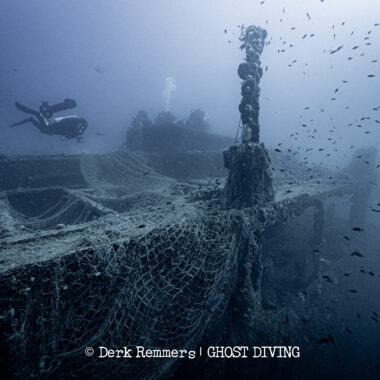
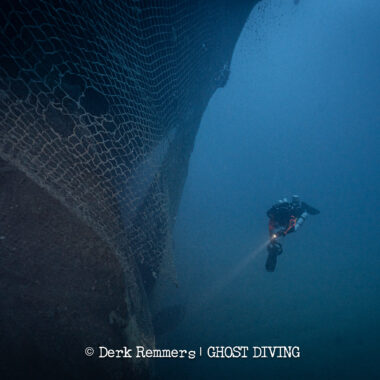
A World War II tanker resting 56 metres below the surface, somewhere between Sicily and Tunisia, has become a sanctuary for marine life. But years of fishing activity left the wreck entangled in ghost nets that continued to trap and kill wildlife. In 2026, Healthy Seas and their partner DWS, together with Ghost Diving and SDSS, set out to remove this hidden threat and protect one of Mediterranean’s underwater ecosystems.
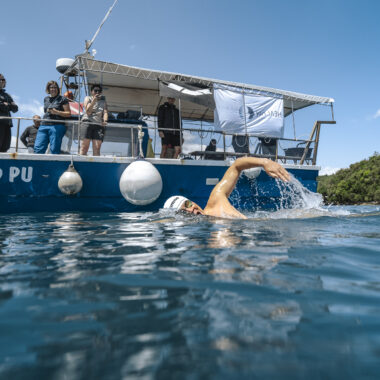
A Mission in the High Seas
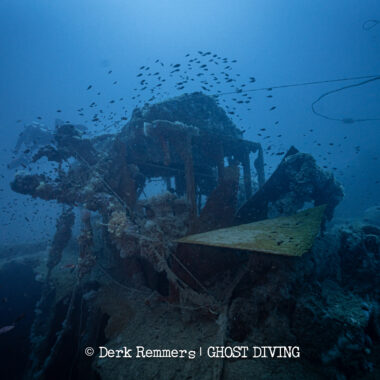
Far offshore, BRARENA lies hidden beneath the surface.
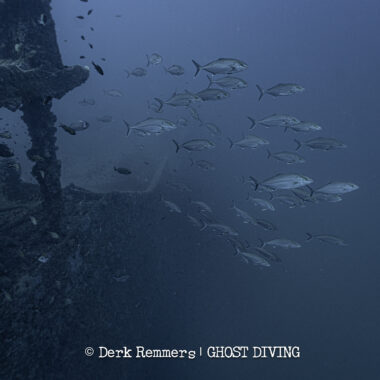
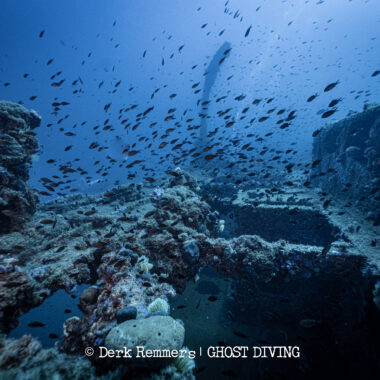
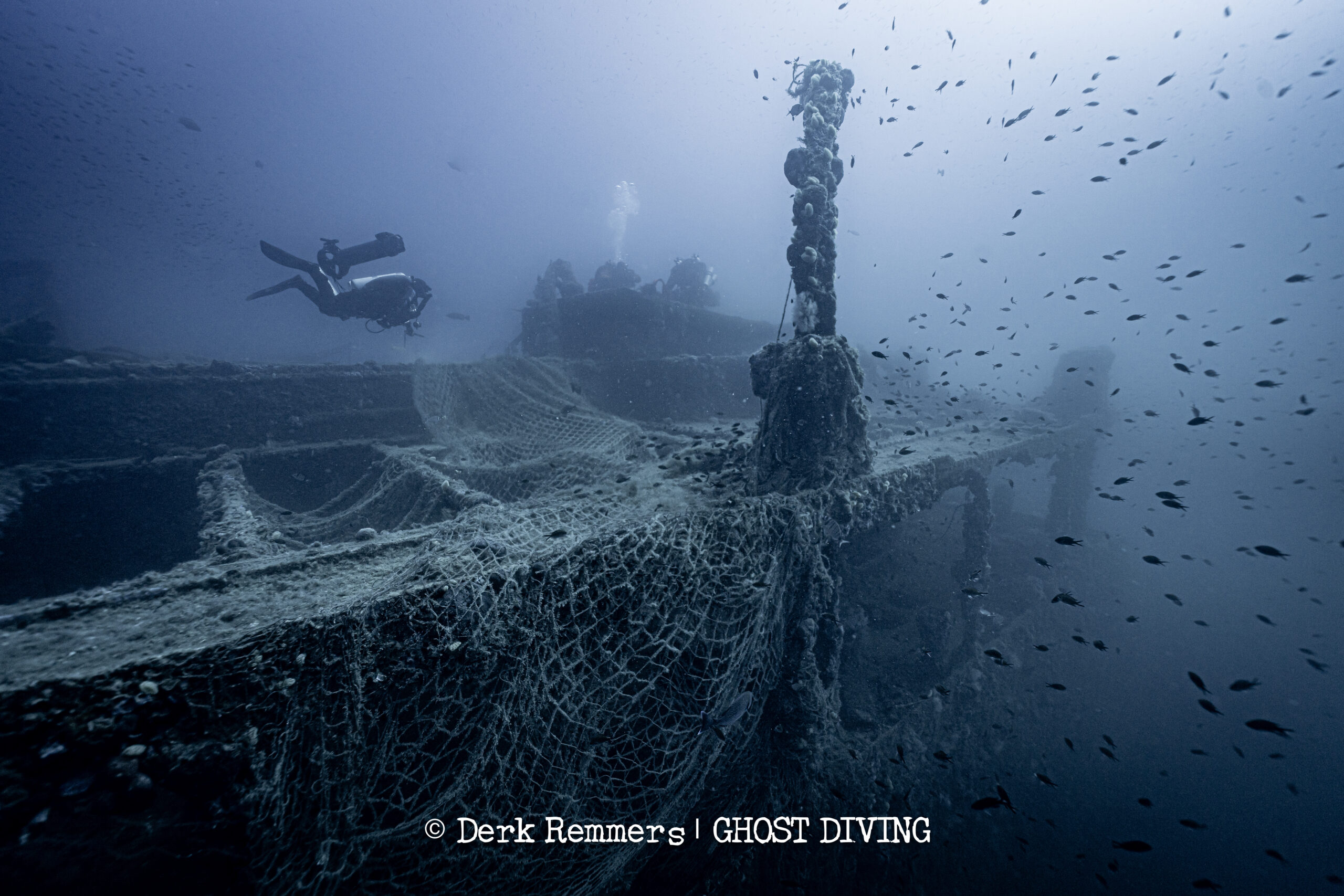
For more than eighty years, the wreck has rested on the seabed, gradually transforming from a casualty of war into a thriving marine habitat. Large groupers shelter around its steel structure. Schools of fish weave through its corridors. Sea turtles visit the site. Predators patrol it.
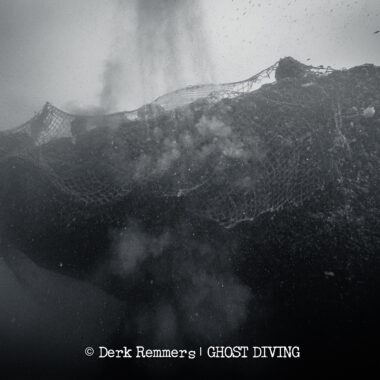
Yet the wreck has also become a collection point for something far less welcome: ghost nets.
Lost entangled snagged on the structure continued to trap marine life long after they were abandoned, turning an important refuge into a deadly trap. To remove this threat, Healthy Seas organised a high-seas expedition together with Ghost Diving and SDSS (The Society for Documentation of Submerged Sites).
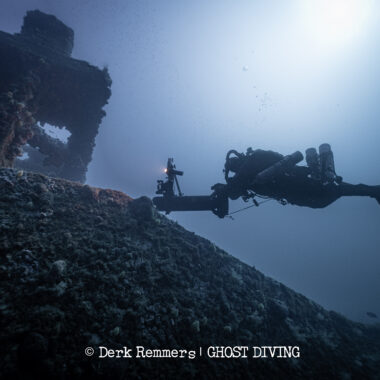
The mission brought together technical divers, marine conservationists and scientists. Their goal was not only to recover ghost gear, but also to better understand the ecosystem that has developed around the wreck and document its importance for Mediterranean biodiversity.
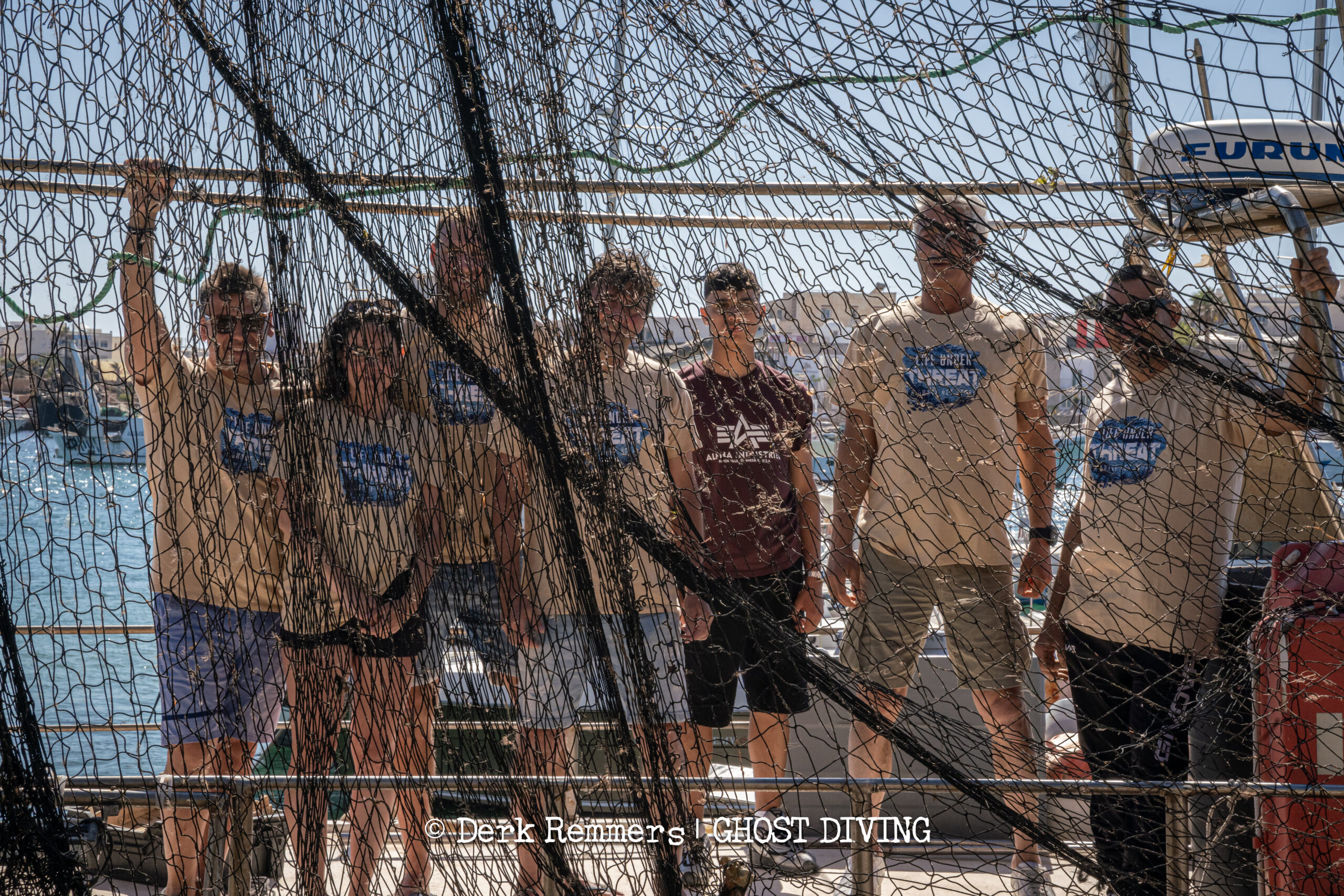
Meet the team behind the mission
Ghost net removals do not begin underwater. They begin months earlier with planning, logistics and a team prepared to operate in a challenging offshore environment.
Hunting a Ghost Net
Finding a ghost net is often the easiest part. Removing it safely is where the real challenge begins.
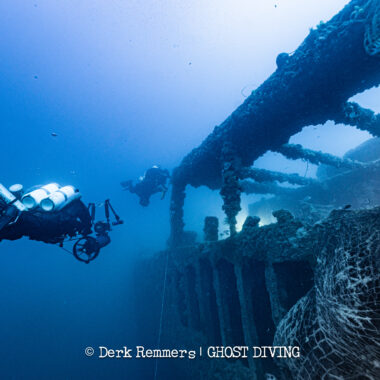
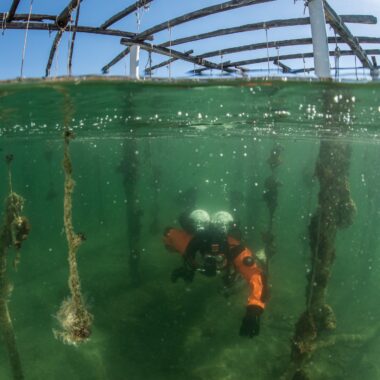
At 56 meters, every dive is carefully planned. Time at the wreck is limited. Decompression obligations are significant. Divers must navigate a complex structure while managing equipment and avoiding entanglement hazards.
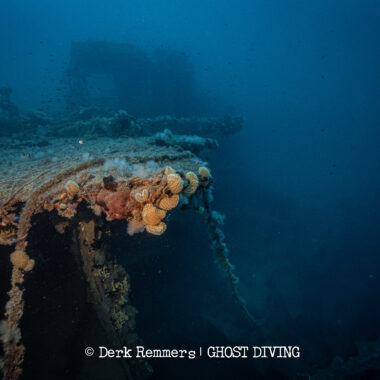
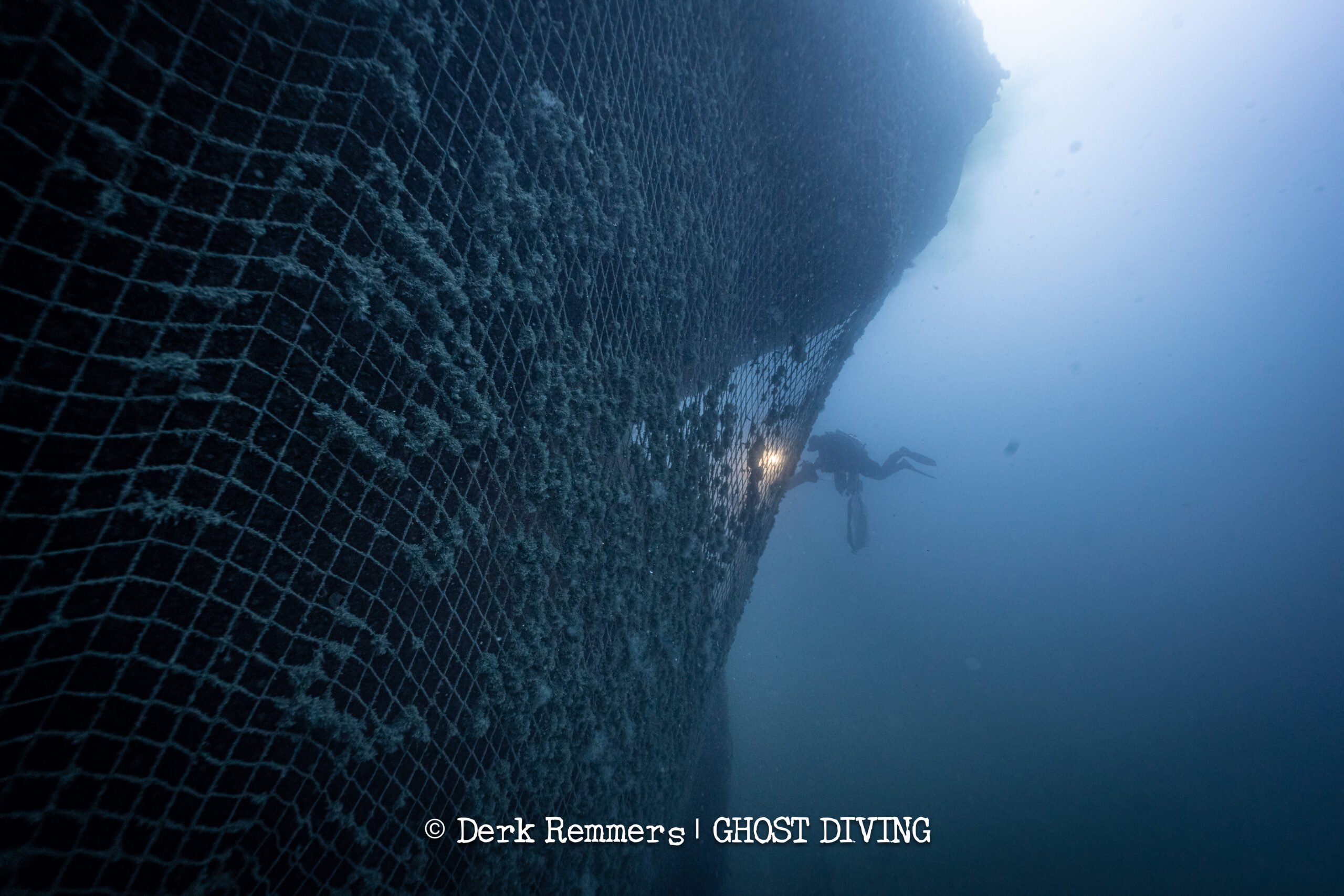
The ghost net draped across the BRARENA had become deeply integrated into the wreck itself. Parts of it stretched across structures now occupied by marine life. Removing it required patience, precision and teamwork.
Every cut had to be deliberate. Every section recovered represented one less threat to the animals using the wreck as a home.
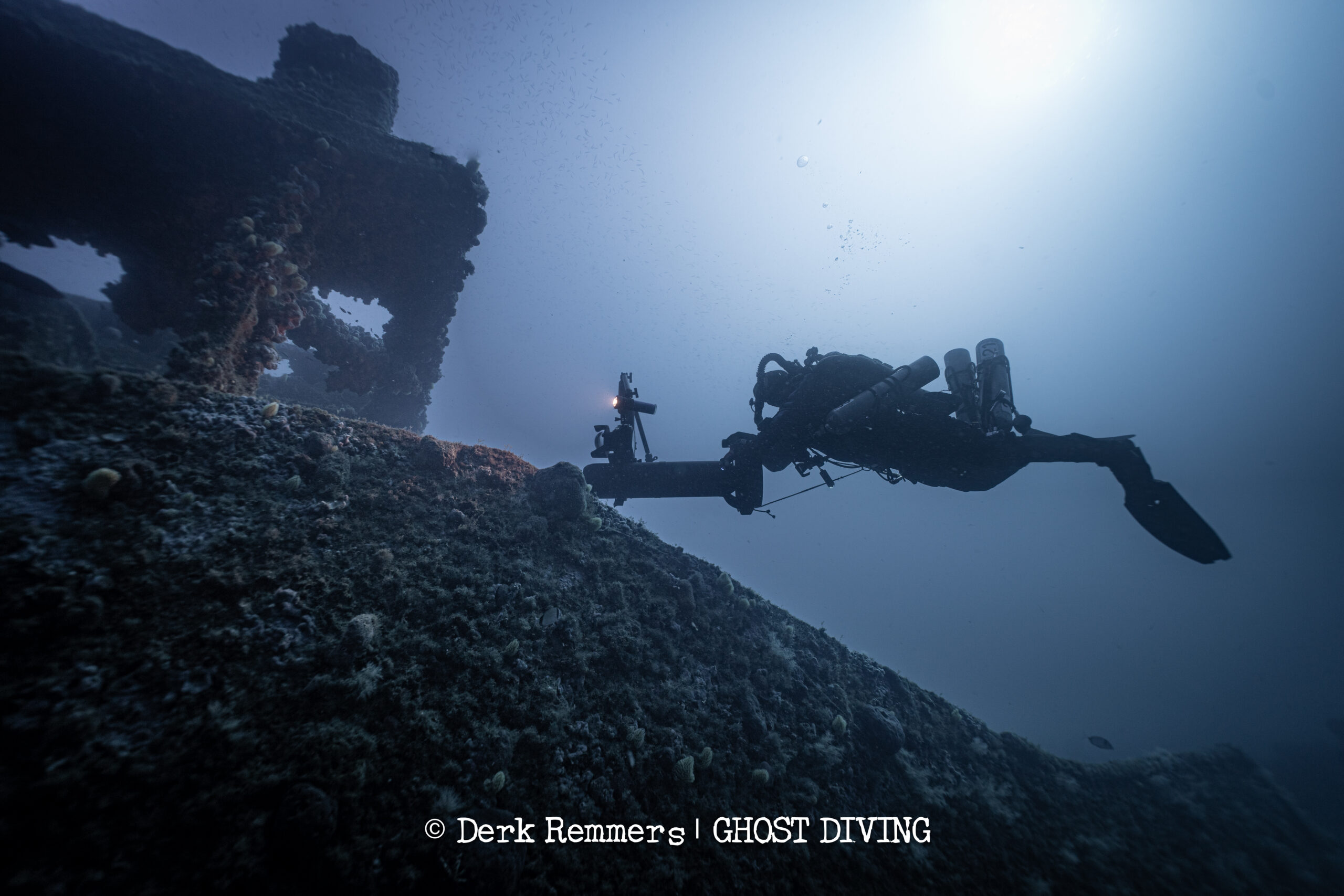
Follow the team as they descend
Follow the team as they descend onto the BRARENA and begin locating and removing ghost fishing gear from the wreck.
What Are Ghost Nets?
Most fishing gear is designed to be durable. That durability becomes a problem when equipment is lost
Ghost nets are among the most persistent forms of marine pollution. Made from synthetic materials, they can remain in the ocean for decades. Currents move them across the seabed, storms relocate them, and underwater structures such as shipwrecks often capture and hold them in place.
Once entangled on a wreck, nets can continue catching marine life indefinitely.
This phenomenon, known as ghost fishing, affects a wide range of species. Animals become trapped, injured or killed. As carcasses attract scavengers, additional animals may become entangled. The cycle can continue for years if the gear is not removed.
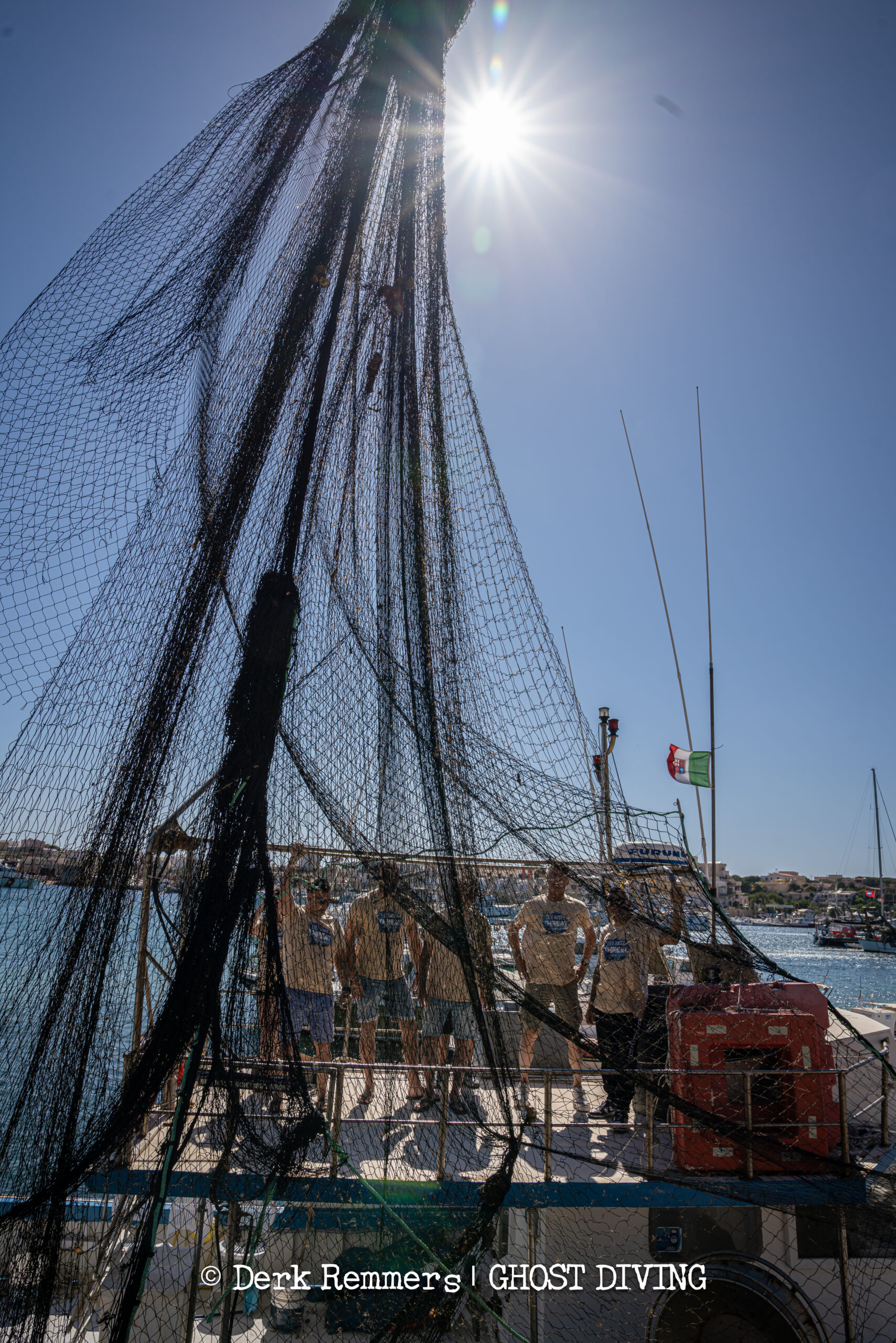
Sections of ghost net are carefully cut free, secured and prepared for recovery. By the divers team. What comes back to the surface is more than marine litter. It is evidence of a problem that remains largely invisible to most people.
What Goes Down / What Comes Up
Divers descend with the tools to recover what was left behind. They surface with evidence of the threat hidden beneath the waves.
An Unexpected Encounter
The team did not travel offshore looking for sharks.
Their objective was ghost net recovery.
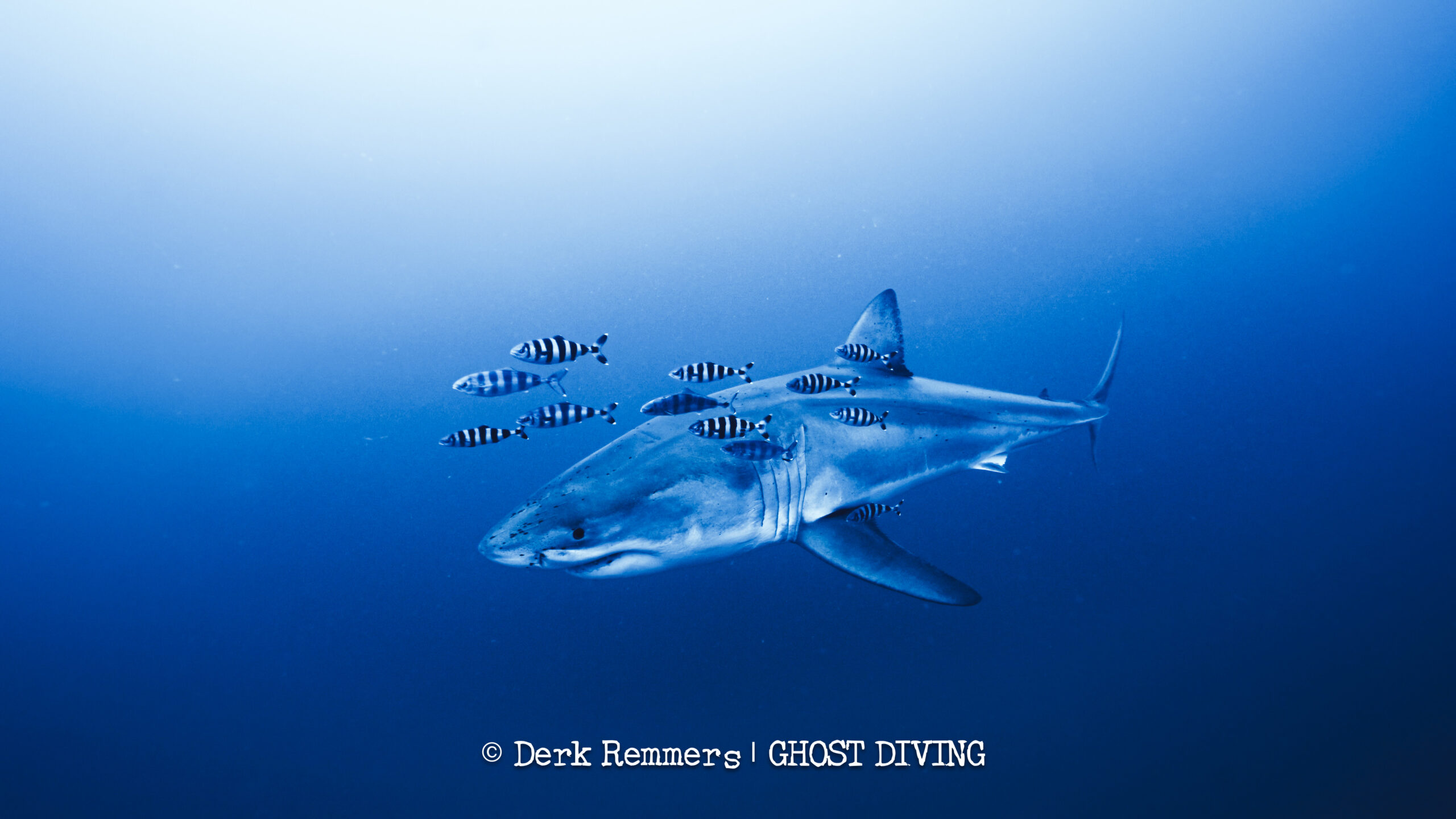
Yet during operations at the site, divers documented what is believed to be the first underwater footage of an adult great white shark in the Mediterranean.
The sighting was extraordinary, but not simply because of the species itself.
Large predators occupy the highest levels of marine food webs. Their presence can indicate ecological value and productivity. While a single observation cannot answer broader scientific questions, it reinforces the importance of protecting habitats capable of supporting such wildlife.
In many ways, the encounter became a powerful symbol of the mission.
The shark was not the reason the team travelled offshore.
It was a reminder of why the work matters.
Why Shipwrecks Become Biodiversity Hotspots
Shipwrecks often become accidental marine sanctuaries.
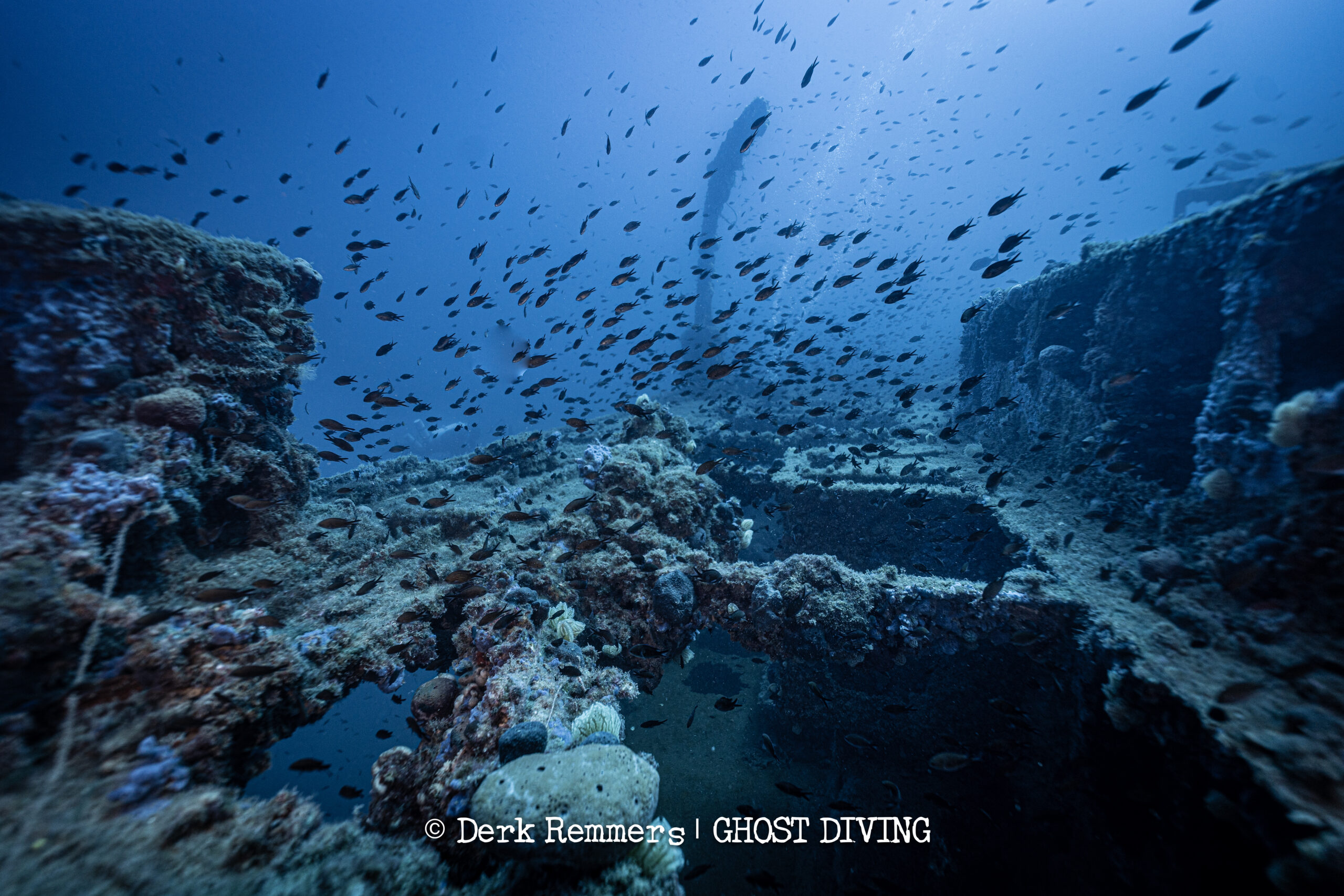
Unlike flat stretches of seabed, wrecks provide structure, shelter and surfaces that marine organisms can colonise. Sponges, algae and invertebrates settle on the steel. Small fish arrive to feed and seek protection. Larger species follow.
Over time, complex ecological communities develop.
The BRARENA is a perfect example of this process. Divers regularly encounter large groupers, amberjacks, dentex and sea bream around the wreck. Sea turtles are also known to visit the site. The structure functions as both shelter and feeding ground, supporting biodiversity levels often far greater than those found in surrounding areas.
Science Beneath the Surface
Removing ghost nets was only part of the mission. The team also carried out biodiversity monitoring activities designed to improve understanding of the ecosystem developing around the wreck.
One of the tools used with the support of SDSS was environmental DNA, or eDNA. Every organism leaves traces of genetic material in the water through skin cells, mucus, scales and other biological material. By collecting seawater samples and analysing them in a laboratory, scientists from the University of Palermo and the Stazione Zoologica Anton Dohrn – Sicily Marine Centre can identify species that may never appear during a dive.
Understanding offshore ecosystems, however, requires more than occasional visits. To complement diver observations, researchers increasingly rely on underwater monitoring technologies. Fixed camera systems can record marine life over extended periods, documenting species that may not appear during short dive windows and providing valuable insights into seasonal changes, species behaviour and long-term ecosystem trends.
Combined with underwater observations, eDNA analysis and long-term monitoring, these techniques help build a more complete picture of life around the BRARENA and the wider Strait of Sicily. Together, they provide the evidence needed to support informed conservation decisions while revealing something important: offshore ecosystems are often far richer and more diverse than people realise.
What Is eDNA?
Environmental DNA (eDNA) refers to genetic traces left behind by organisms in the environment
By analysing seawater samples, scientists can identify species presence without directly observing the animals themselves. The technique is increasingly used in marine conservation because it can detect species that are rare, elusive or active outside normal survey periods.
A Shared Effort
The expedition brought together expertise from multiple disciplines.
Healthy Seas coordinated the mission. Ghost Diving’s volunteer technical divers carried out the underwater recovery work together with SDSS, who contributed extensive knowledge of the wreck, the biological characteristics of it and its historical significance. Scientists from the University of Palermo and the Stazione Zoologica Anton Dohrn – Sicily Marine Centre supported in the scientific activities.
This collaboration reflects an increasingly important reality in marine conservation. Protecting the ocean requires scientists, divers, historians, environmental organisations and local stakeholders to work together.
No single discipline can address every challenge alone.
Looking Ahead
The BRARENA sits at a remarkable intersection of history, biodiversity and conservation.
A vessel lost during wartime has become a refuge for marine life. A shipwreck transformed into an artificial reef now faces modern pressures from lost fishing gear. Through recovery operations, biodiversity monitoring and continued scientific research, Healthy Seas and its partners are helping ensure that these offshore ecosystems remain healthy and productive.
The great white shark may have captured headlines, but it is not the central story.
The real story is that extraordinary marine life continues to thrive around offshore habitats that most people will never see. Protecting those habitats requires commitment, collaboration and action.
Far below the surface, among steel structures shaped by history and reclaimed by nature, the Mediterranean continues to demonstrate its resilience. The challenge now is ensuring that resilience is matched by protection.
Meet the BRARENA
Although the mission focused on conservation, the wreck itself has a remarkable history.
Originally launched in Scotland in 1923 as the Scottish Borderer, the vessel was later sold to Norwegian owners and renamed BRARENA. During the Second World War, the Mediterranean became a critical battleground for supply routes connecting Europe and North Africa.
In July 1941, while transporting fuel, the tanker came under Allied attack. Bombs ignited the vessel and a later torpedo strike caused catastrophic damage. Despite efforts to save and even deliberately sink the ship, the BRARENA eventually disappeared beneath the waves.
More than eighty years later, the wreck remains remarkably intact.
The scars of its final hours are still visible in the hull, but so is something else: life.
The Story of the BRARENA
A ship built for industry. Lost in war. Reclaimed by the sea