
Why Biodiversity Loss Cannot Be Measured by the Weight of Marine Litter
Ghost nets may weigh little, but their impact on biodiversity is immense
On International Day for Biological Diversity, Healthy Seas is releasing a short video that challenges one of the most common ways marine conservation work is measured: weight.
In ocean clean-up projects, results are often communicated in kilograms or tonnes of marine litter removed from the sea. While these numbers help quantify the scale of operations, they rarely capture the true environmental cost of ghost gear and abandoned fishing nets. Some of the most destructive forms of marine litter weigh very little.
Monofilament fishing lines, drifting fragments of nets, and lightweight synthetic materials can continue trapping and killing marine life for years. They can also slowly release plastic particles into the marine environment while damaging fragile underwater habitats.
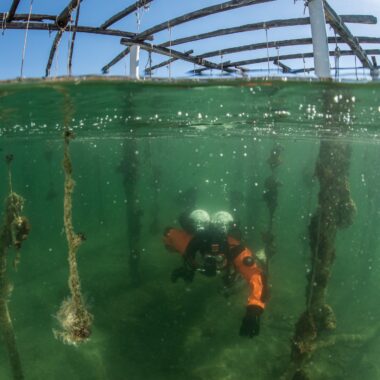
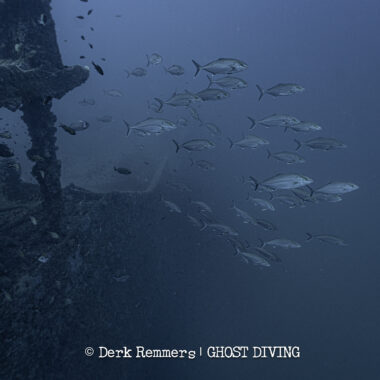
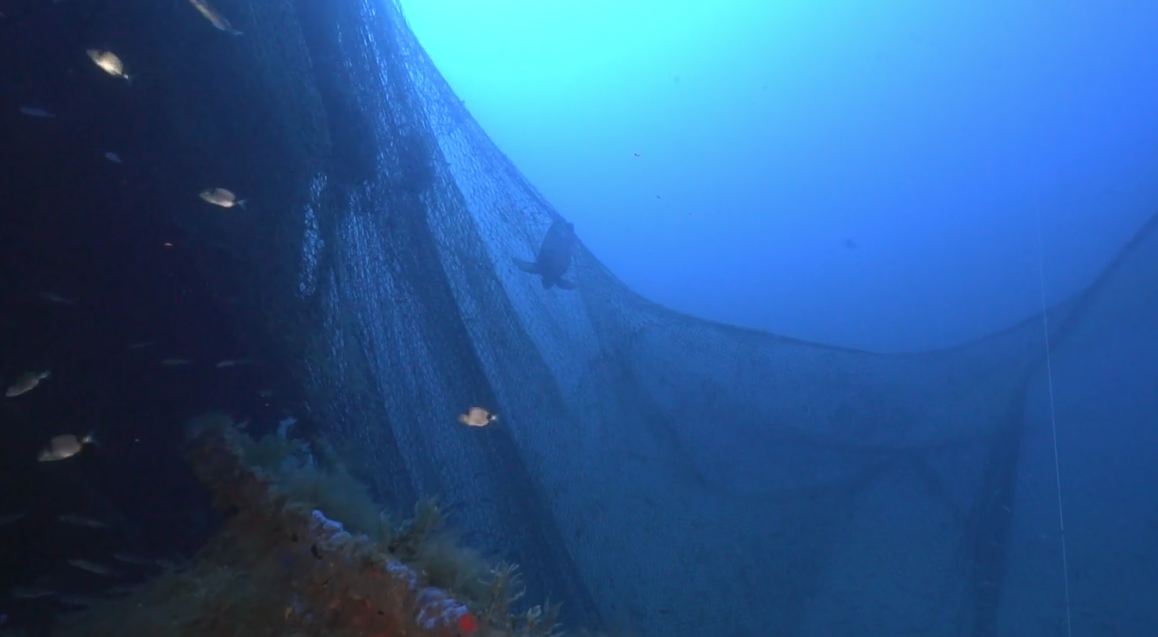
The footage featured in our Biodiversity Day video comes from a recent Healthy Seas mission carried out together with Ghost Diving and SDSS in the high seas where divers worked on the removal of a gigantic abandoned fishing net entangled on a historical shipwreck.
These shipwrecks often become unexpected oases of marine biodiversity. Corals, algae, fish, crustaceans, and other species gather around these structures, creating complex underwater ecosystems in the open sea. Fishermen know these areas are rich in marine life, which is also why nets are frequently deployed nearby and often become trapped.
During just a few dives on this particular site, our team documented at least 8 dead turtles and several large fish entangled in the net.
The net itself did not weigh much compared to many large-scale marine litter recoveries. Yet its impact on biodiversity was immense.
This is the idea behind the video released today: the real cost of marine litter cannot be measured only in kilograms recovered from the ocean. It must also be understood through the biodiversity loss it causes, the lives trapped, the habitats damaged, and the ecosystems disrupted beneath the surface.
Fortunately, this net is now being removed. But countless others remain invisible underwater around the world. Protecting biodiversity also means removing the threats that silently continue to destroy it long after they have been abandoned.