
The Ocean Starts Here: World Ocean Day with arena and Alex Portal in Libourne
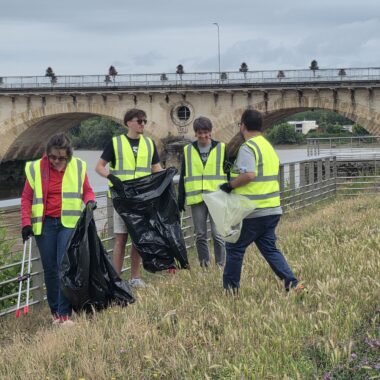
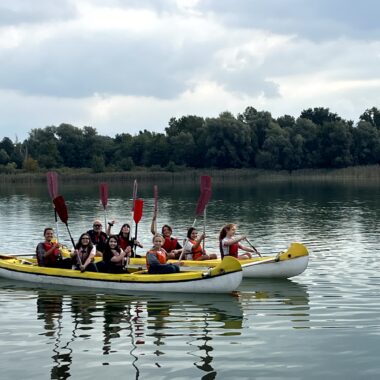
On World Ocean Day, the ocean did not look like a distant horizon. It looked like the banks of the Dordogne River in Libourne, France, where a group of people gathered to stop litter before it could travel any further.
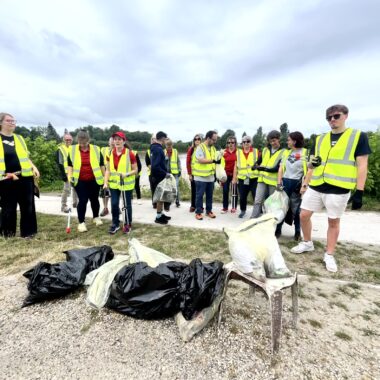
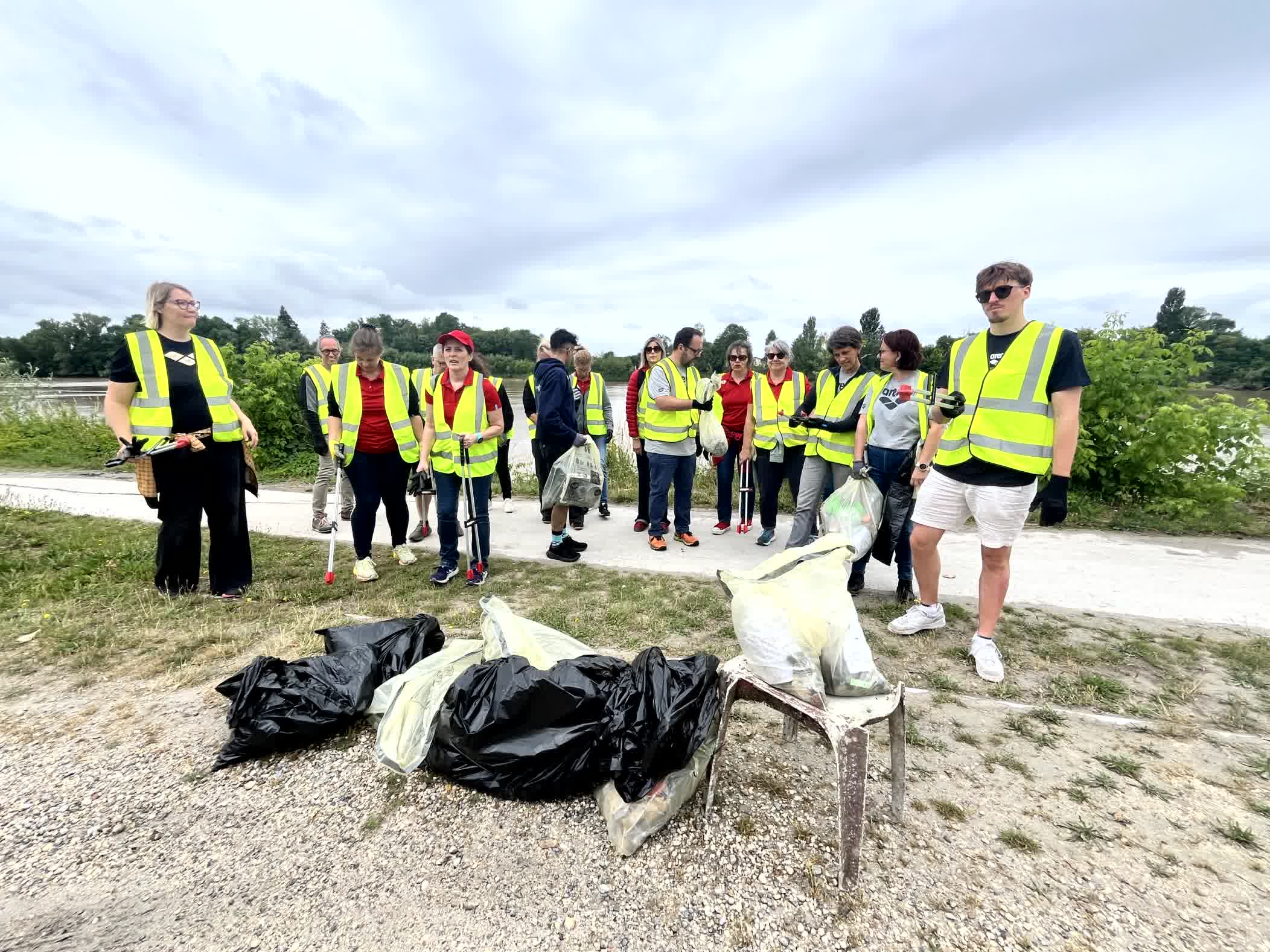
On 8 June, Healthy Seas joined arena at its French office in Libourne for a local clean-up initiative marking both World Ocean Day and the third anniversary of the partnership between Healthy Seas and arena. The event brought together 26 participants, including arena employees, journalists, representatives of the Municipality of Libourne, and French Paralympic swimmer Alex Portal.
The message of the day was simple: what happens inland does not stay inland. Rivers carry water, life, stories, and unfortunately waste, from our towns and riverbanks toward the sea. Protecting the ocean can begin far from the coastline, with practical action taken close to home.
From arena’s office to the riverbank
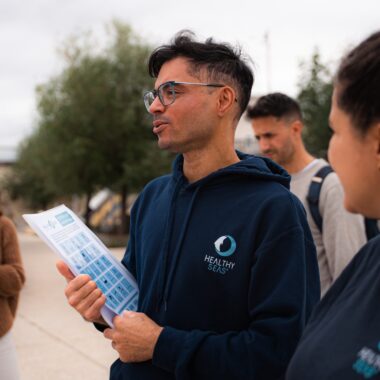
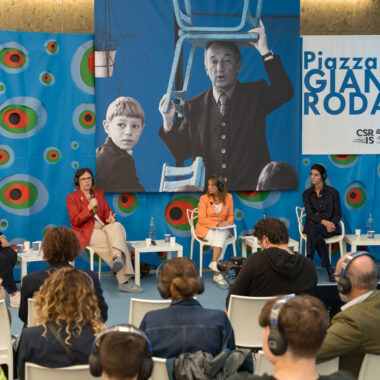
The day began at arena’s French headquarters in Libourne, where employees and guests gathered for an introduction to Healthy Seas, the issue of marine litter and ghost nets, and the long-standing partnership between Healthy Seas and arena.
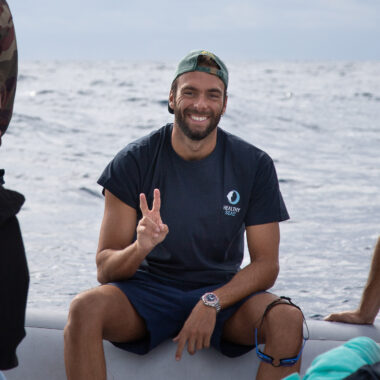
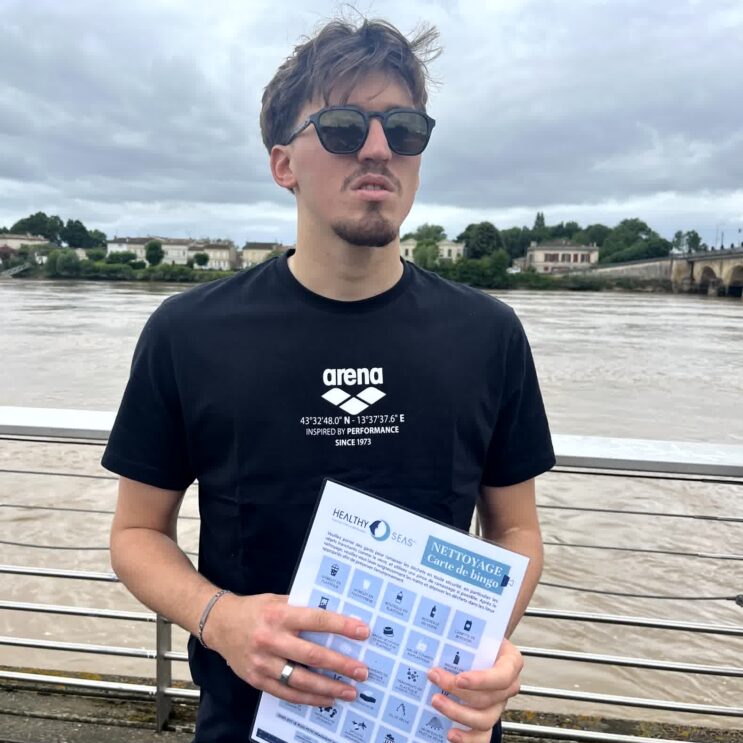
Alex Portal, multiple Paralympic medalist in swimming, also shared more about his journey as an athlete, the challenges behind his achievements, and his personal connection to water. He brought one of his medals from the Paris Paralympic Games, adding a powerful personal dimension to a day dedicated to collective action.
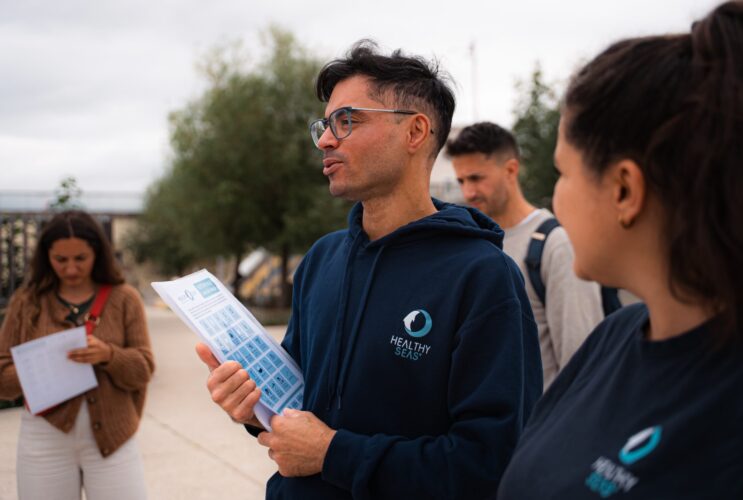
After the introduction, the group moved along the Dordogne River. There, representatives from the Municipality of Libourne welcomed the participants and thanked them for contributing to the protection of a local place that is part of a much larger water system.
A clean place with a hidden problem
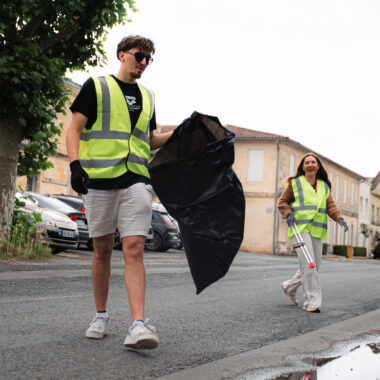
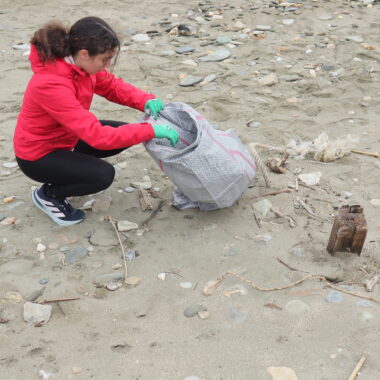
At first sight, the area did not look heavily polluted. In fact, it appeared almost clean. But as the clean-up began, participants quickly discovered how much waste can hide in plain sight. In total, the group collected 50 kg of litter from the riverbank.
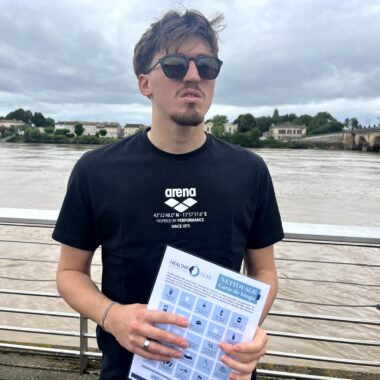
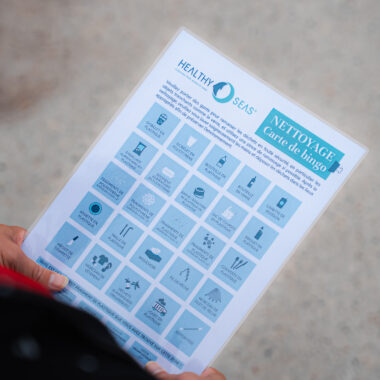
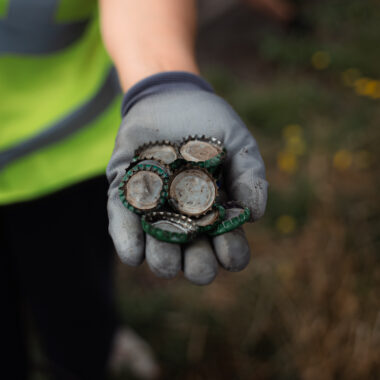
The most common items were small and familiar: cigarette butts, bottle caps, plastic snack wrappers, and other fragments of everyday life. One team counted more than 500 cigarette butts alone. Other items were more unexpected, including dental floss, toothpaste, a sheet, a flip flop, a broken plastic chair, and food packaging. Using a litter bingo card, participants searched for different categories of waste and found nearly everything on the list, except for litter connected to fishing activities.
The exercise helped make visible one of the challenges of marine pollution: waste does not always appear as dramatic piles of debris. Sometimes it is scattered, small, ordinary, and easy to ignore. Yet these items can still enter waterways, break down into smaller fragments, and contribute to the growing pressure on rivers, seas, and marine life.
Reflection, questions and shared responsibility
After the clean-up, the group took time to reflect on the types of litter collected, their possible sources, and the importance of protecting water systems before waste reaches the ocean. Participants asked questions about plastic pollution, cigarette butts, recycling, and the role that local communities can play in prevention. The conversation also touched on education and the value of involving younger generations in similar activities.
One participant summed up the feeling of the day with a reflection:
“There shouldn’t be the need to organise a clean-up. Each of us should be doing this every day on our way to work, during family outings, or when walking the dog.”
It was a reminder that organised clean-ups are valuable, but they are also a sign of a wider problem. The most effective solution is prevention: changing habits, improving awareness, and making sure waste never reaches the environment in the first place.
Courtesy of arena
Three years of partnership
The Libourne clean-up also marked three years of partnership between Healthy Seas and arena. Since the beginning of the collaboration, the partnership has brought ocean protection closer to arena’s communities, employees, and athletes, connecting brand action with hands-on environmental work. This World Ocean Day initiative was the first joint clean-up activity of 2026, with another project planned for the end of September: a diving clean-up in Italy.
For Healthy Seas, the event was also a chance to show how ocean protection is not limited to the sea itself. Marine litter prevention begins in cities, workplaces, rivers, and everyday spaces where people can see their own connection to water more clearly.
Every action near water matters
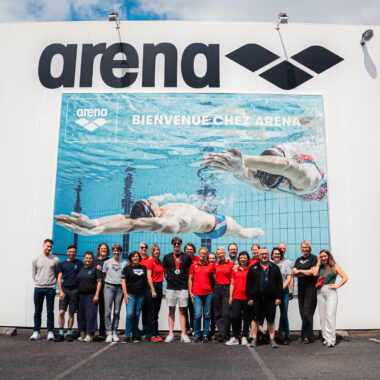
The day ended with interviews, a group photo outside arena’s headquarters, and closing remarks back at the office.
What remained was not only the 50 kg of litter removed from the banks of the Dordogne, but also a clearer understanding of how local action connects to global ocean protection. On World Ocean Day, in Libourne, the ocean started at the riverbank. And 26 people chose to act before the waste could travel any further.