
Circular Economy Starts in the Classroom
How Eco-Schools Slovenia, AquafilSLO, and Healthy Seas are helping students turn sustainability into action
Circular economy can sound abstract. It can feel like something that belongs in policy papers, business strategies, or technical reports. But in a classroom, it becomes something much more concrete. It becomes a product taken apart and reimagined. A piece of textile considered not as waste, but as a future material. A group of students asked to design something better, more durable, more responsible.
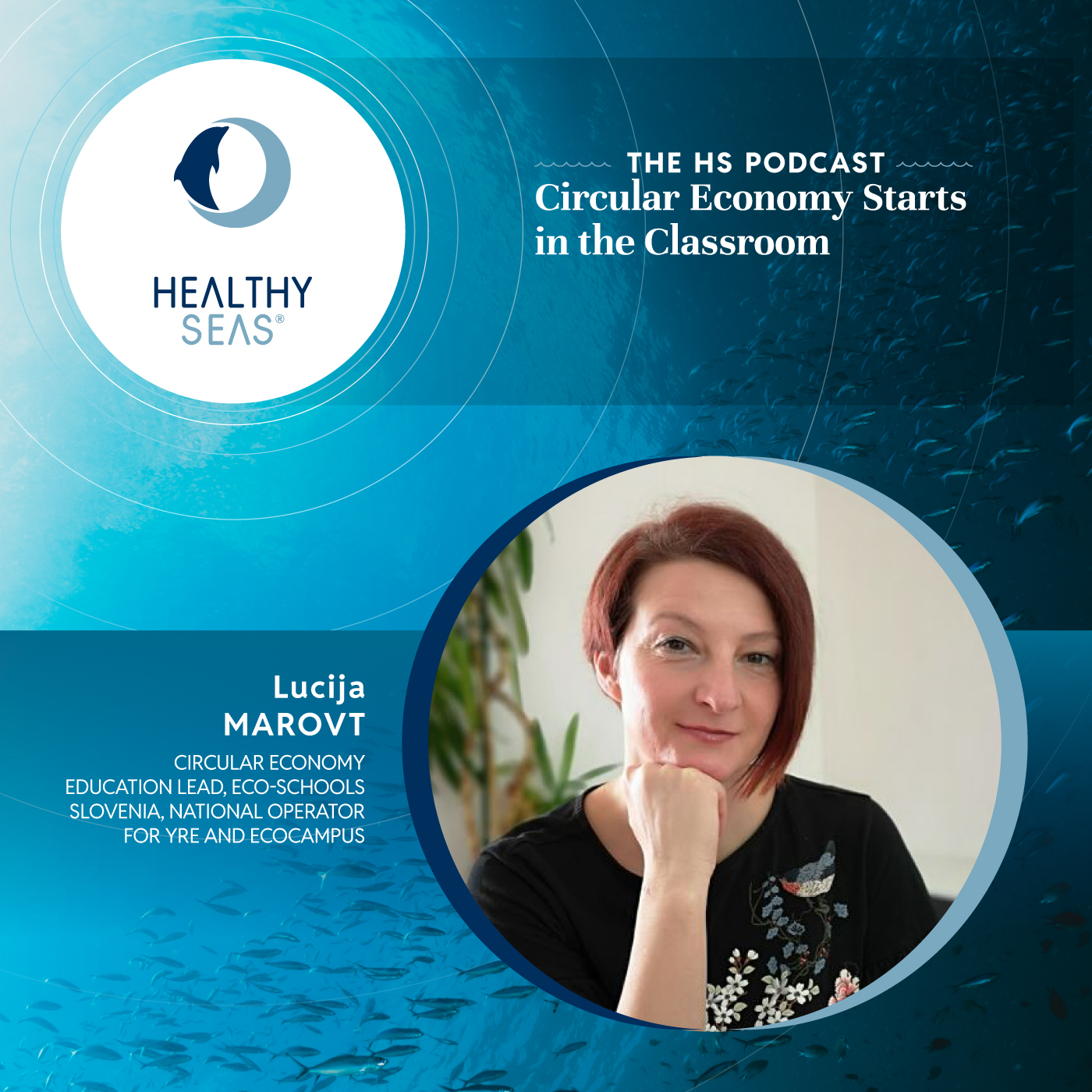
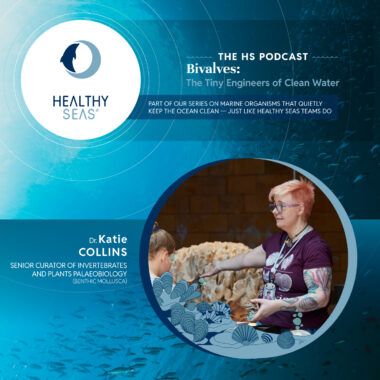
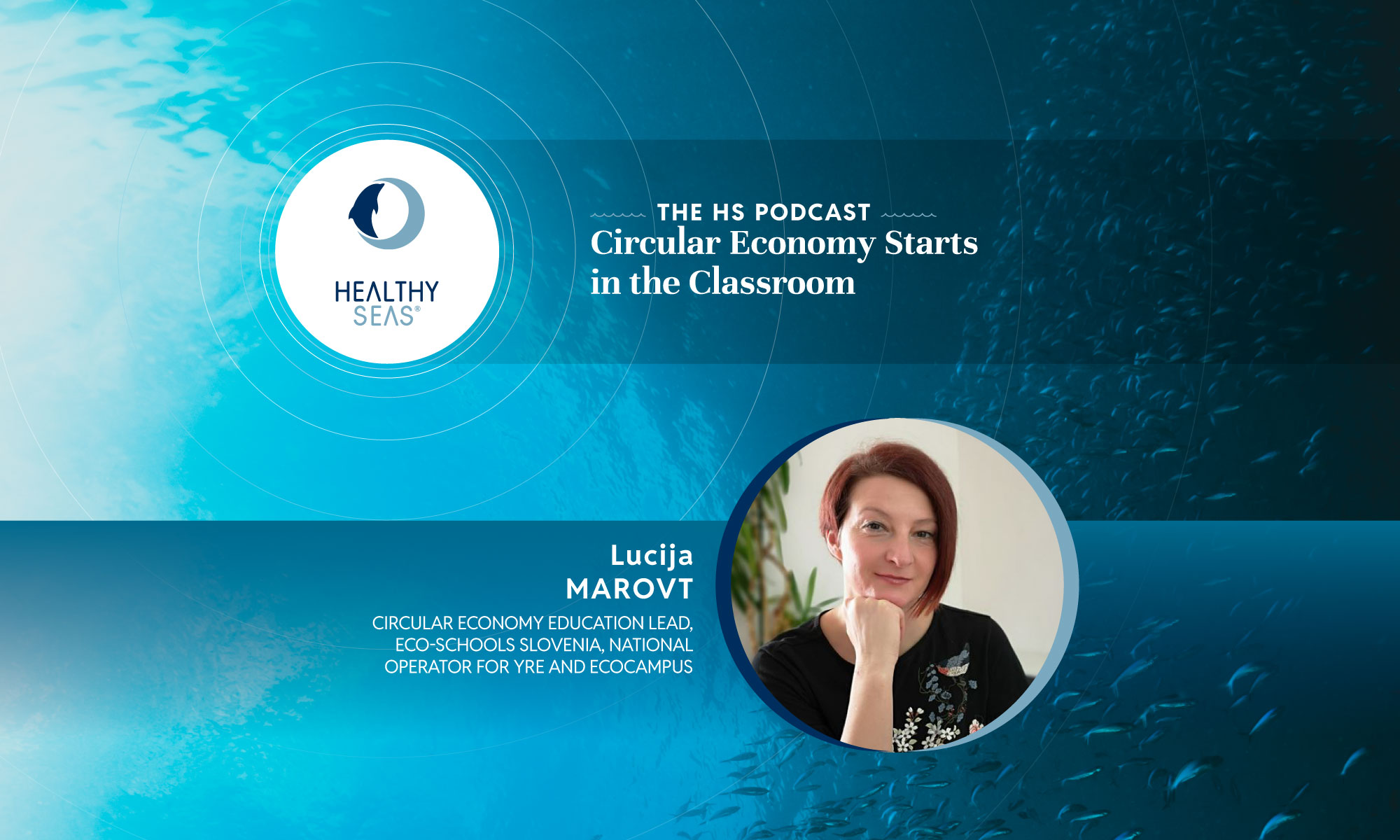
In this episode of the Healthy Seas Podcast, we speak with Lucija Marovt, Project Director for Eco-Schools Slovenia, about how circular economy education can move beyond theory and become a hands-on, creative learning process.
The conversation also reflects on the long-standing collaboration between Eco-Schools Slovenia, AquafilSLO, and Healthy Seas. Through this partnership, students and teachers in Slovenia have taken part in numerous workshops, training activities, and educational projects focused on circular economy, marine litter, sustainable consumption, and sustainable design.
From knowledge to mindset
Eco-Schools is one of the largest global education networks for sustainability, active in more than 100 countries. In Slovenia, it reaches kindergartens, primary and secondary schools, and higher education institutions, helping them integrate sustainability into everyday learning. As Lucija explains, the strength of the programme lies in its flexibility. Each school can choose the topics most relevant to its context, from waste and biodiversity to energy, water, school gardens, and circular economy.
This matters because sustainability education is not only about transferring knowledge. It is about shaping mindsets, encouraging action, and helping students understand their role within wider environmental and social systems.
Making circular economy tangible
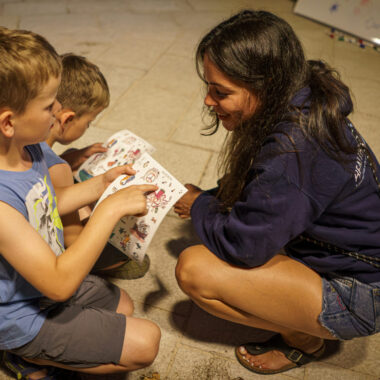
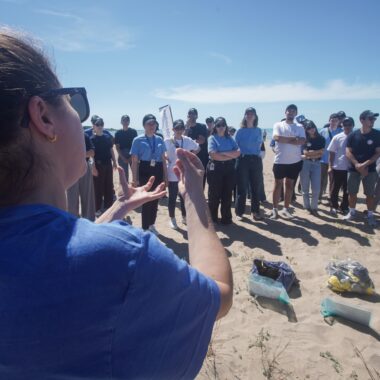
Circular economy is more than recycling. It asks us to think about how products are designed, what materials they are made from, how long they last, and what happens to them after use. That is why practical learning is so important. Through the collaboration with AquafilSLO and Eco-Schools Slovenia, Healthy Seas has supported classroom workshops and teacher training activities that make these ideas easier to explore. Students work with real materials, discuss marine litter and consumption, and take part in design challenges where they are invited to rethink products through circular principles.
The goal is not to create perfect solutions. It is to shift perspective. Waste becomes input. A discarded material becomes a design question. A problem becomes a starting point.
Learning by doing
One of the most interesting points in the episode is how students react when they are asked to create rather than simply listen. At first, many hesitate. They are used to receiving instructions, not imagining new systems. But as they begin to collaborate, test ideas, and work through concrete examples, they become more active and confident.
For Lucija, this is one of the real values of hands-on circular economy education. Students discover that sustainability is not just something to learn about. It is something they can participate in, question, and shape. The involvement of partners such as AquafilSLO and Healthy Seas also helps connect the classroom with real-world examples of circular economy, marine conservation, and material transformation already happening beyond school walls.
Why education matters for ocean protection
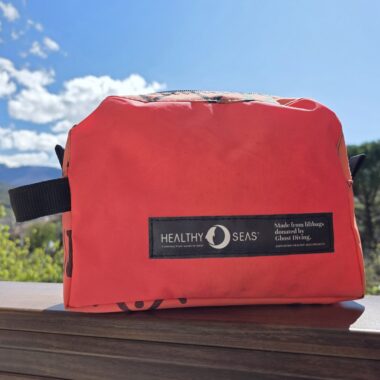
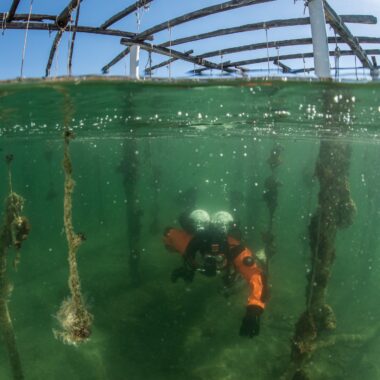
Healthy Seas is often associated with clean-ups: divers removing ghost nets, volunteers collecting marine litter, and partners helping recover and transform waste materials. But clean-up is only one part of the story. If we want to reduce marine litter in the long term, we also need prevention, education, and a deeper understanding of how materials enter the environment in the first place. This means working not only where pollution is found, but also where future habits, decisions, and ideas are formed.
In classrooms, circular economy becomes more than a technical concept. It becomes a way to question consumption, rethink design, and understand how choices made on land are connected to rivers, coastlines, and the ocean.
Listen to the full Healthy Seas Podcast episode with Lucija Marovt to discover how Eco-Schools Slovenia, AquafilSLO, and Healthy Seas are helping students and teachers bring circular economy, marine litter education, and sustainable design into the classroom.