
From Hong Kong to India: DWS Employees Take Action for Cleaner Waters
In May, Healthy Seas joined DWS teams in Hong Kong and India for clean-ups, presentations, and community activities connecting marine litter, circularity, and employee engagement.
In May 2026, Healthy Seas travelled across Asia with long-standing partner DWS to bring ocean protection closer to local offices, employees, and communities. The activities took place in Hong Kong and across three Indian cities — Mumbai, Pune, and Bangalore — combining beach and river clean-ups with office presentations, quizzes, and discussions on marine litter, ghost fishing nets, microplastics, and circular economy solutions. Together, these moments showed how employee engagement can move beyond awareness alone. When people see pollution first-hand, ask questions, share local concerns, and act together in their own communities, sustainability becomes something more tangible.
Starting in Hong Kong: when the tide tells the story
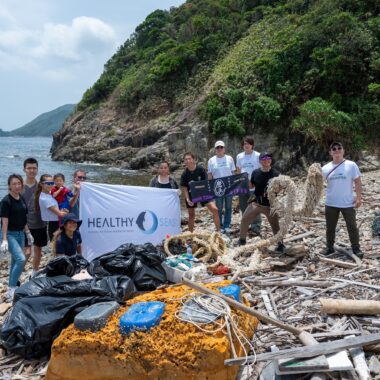
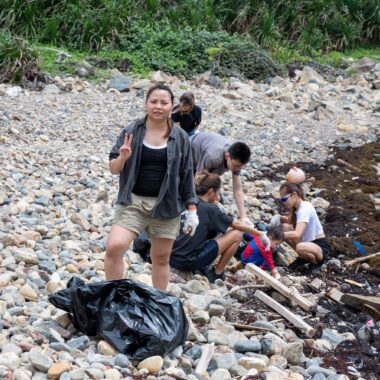
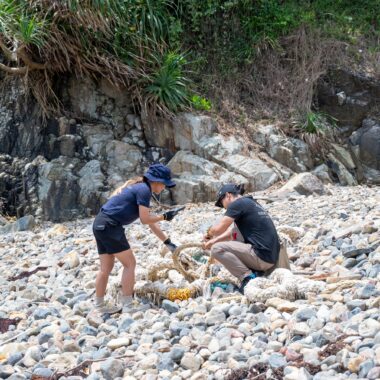
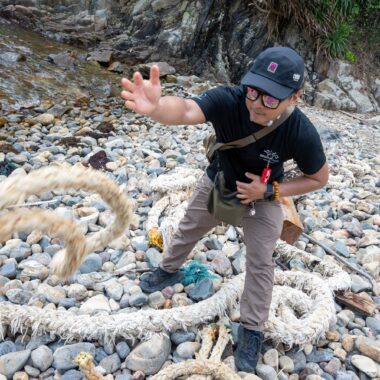
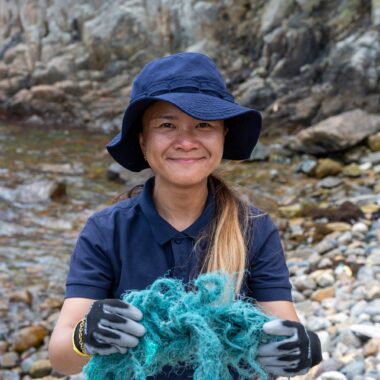
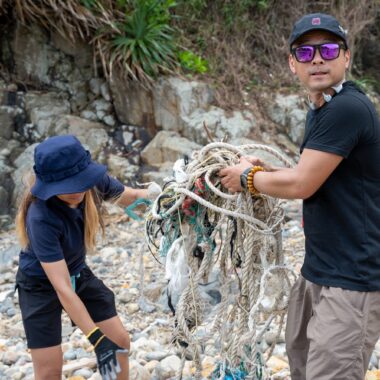
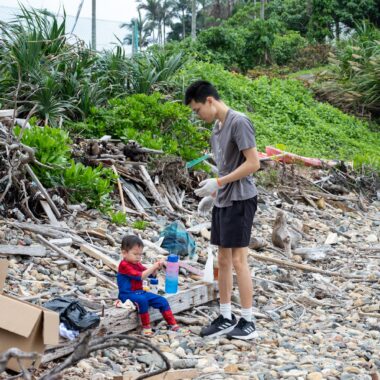
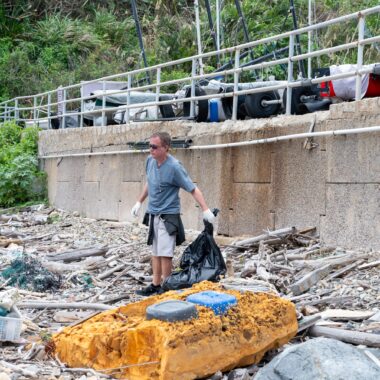
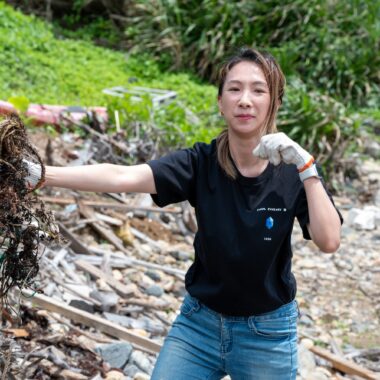
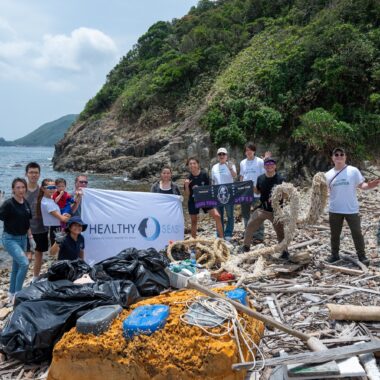
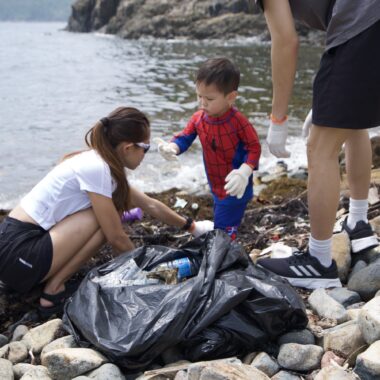
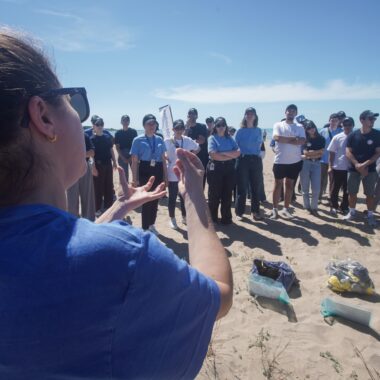
The first activity took place on 3 May at Little Palm Beach in Hong Kong, where Healthy Seas joined DWS employees, Ghost Diving Hong Kong, and a local freediving group led by Masyu Poon for a beach clean-up and awareness session. The group included 12 adults. The activity began with a short presentation before participants set out to collect marine litter from the beach.
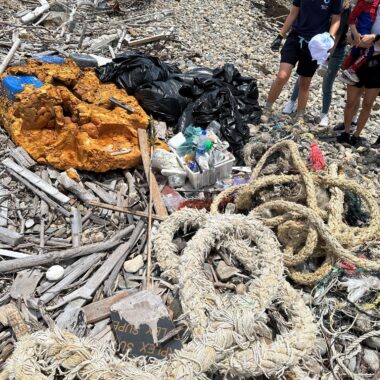
The site had already been cleaned by another group just 10 days earlier. Yet, when the tide came in again, it brought a striking amount of debris back to shore. In total, the group collected around 100 kg of waste, including ghost nets, single-use plastics, medical waste, broken boat parts, and abandoned kayaks.
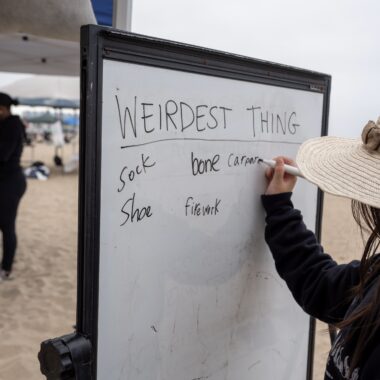
Using the Healthy Seas marine litter bingo card, participants identified almost every object on the list. It was a simple but powerful way to help participants observe what ends up in the marine environment and how varied, persistent, and unexpected this pollution can be.
India: connecting office engagement with local action
A few days later, Healthy Seas continued the journey in India, visiting DWS teams in Mumbai, Pune, and Bangalore. The programme combined in-person presentations with clean-up activities, helping employees connect global marine conservation challenges with local environmental realities.
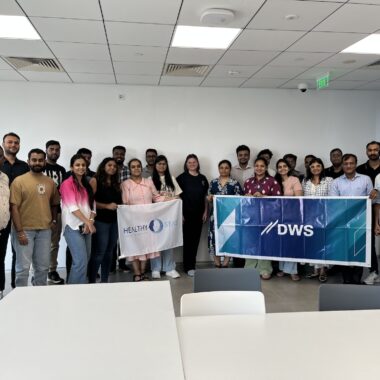
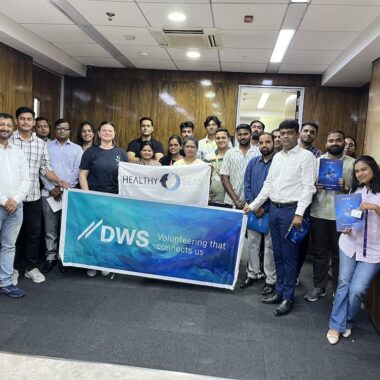
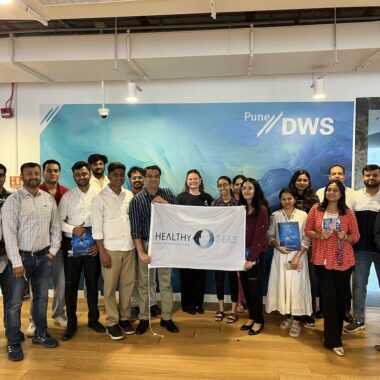
In Mumbai, Healthy Seas visited the DWS Group office for the first in-person engagement in India, as part of a wider visit across DWS India locations. Around 25 to 30 employees joined an interactive presentation and discussion on marine litter, environmental pollution, ghost fishing nets, microplastics, and the importance of circular economy solutions.
The session continued informally over chai tea, creating space for conversations about recycling, the Blue Economy, and local environmental initiatives. Educational materials were shared with participants so the discussion could continue beyond the event itself.
At Mahim Beach: seeing marine pollution up close
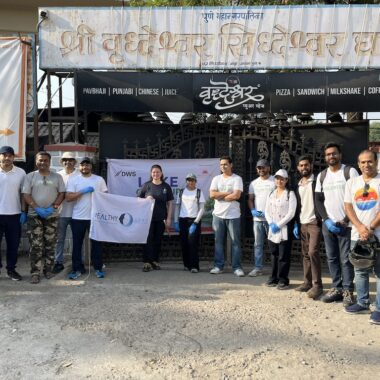
The following morning, Healthy Seas and a dedicated team of 8 DWS volunteers came together for an early beach clean-up at Mahim Beach, supported by Nishant Charitable Trust and local authorities. As the tide receded, the scale of the pollution became clearly visible. The group collected an estimated 80 to 100 kg of waste from around 30 m² of beach. Most of the litter consisted of plastic packaging, including single-use plastic bags, milk bags, henna packaging, and some discarded clothing.
The clean-up sparked important conversations about the health of the marine environment and the role that collective action can play in raising awareness. It also showed how even a small group of committed volunteers can make pollution visible, measurable, and harder to ignore.
Pune: acting along the riverbank
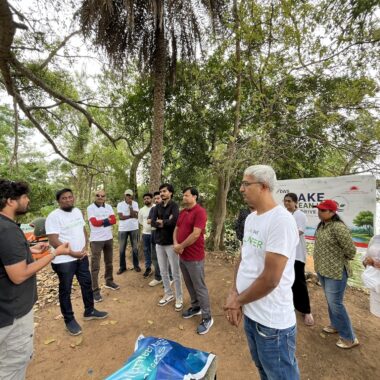
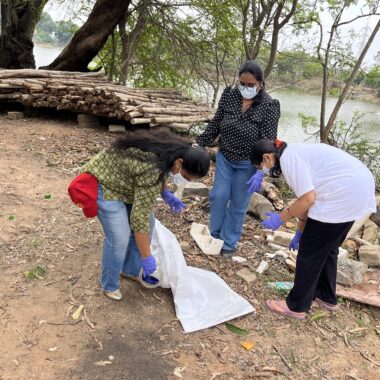
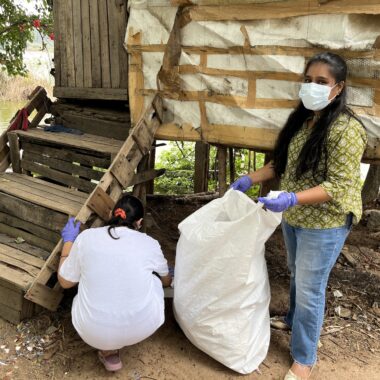
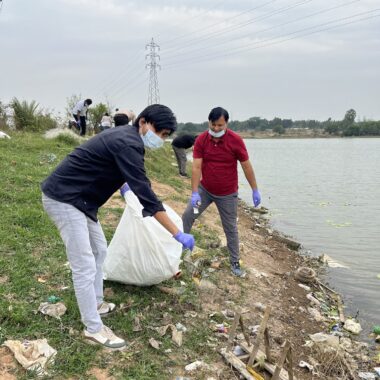
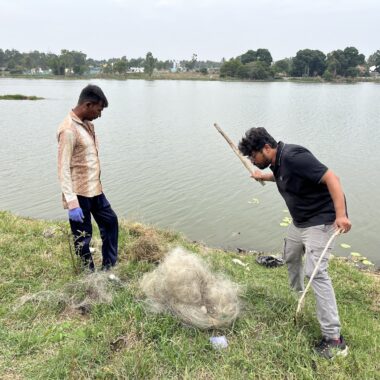
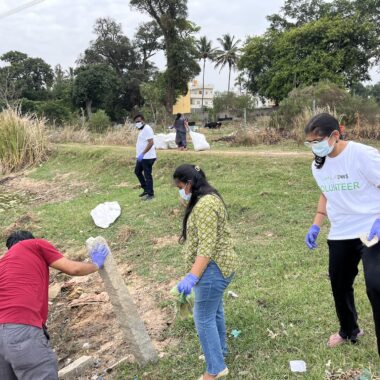
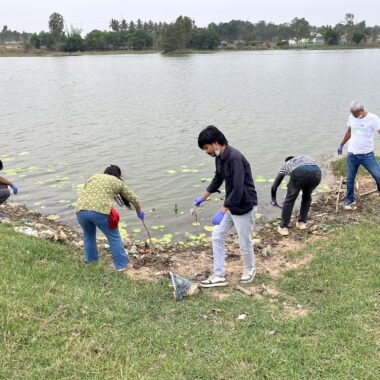
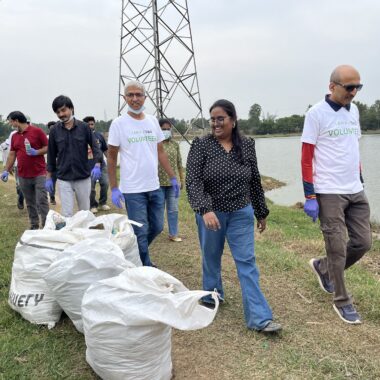
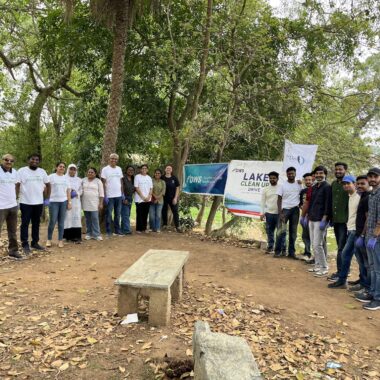
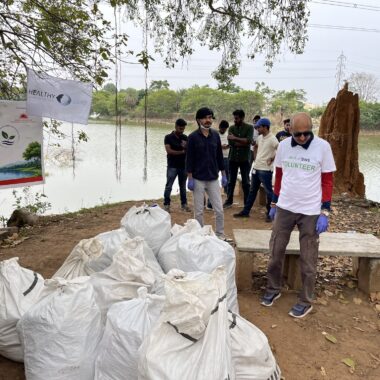
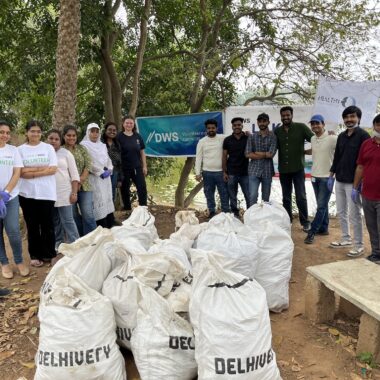
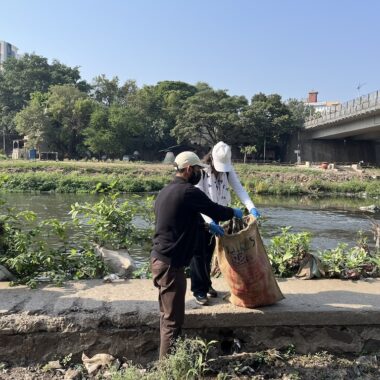
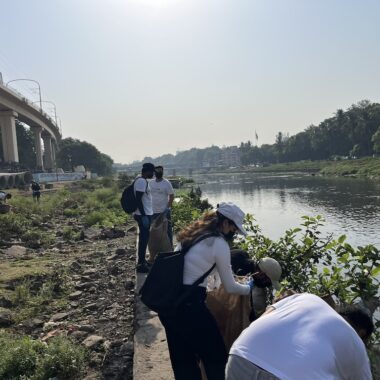
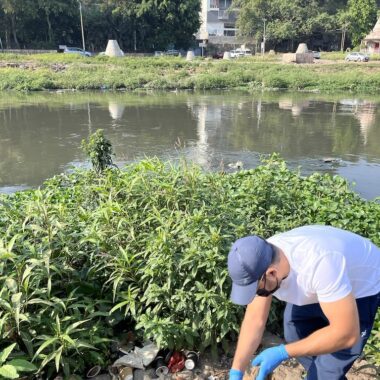
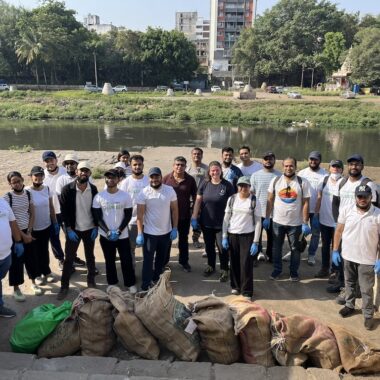
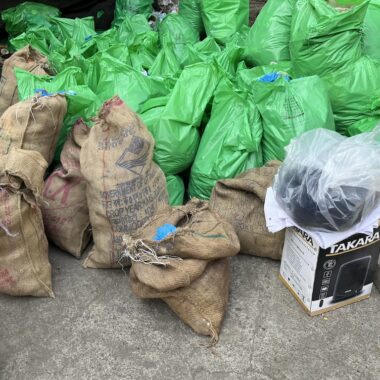
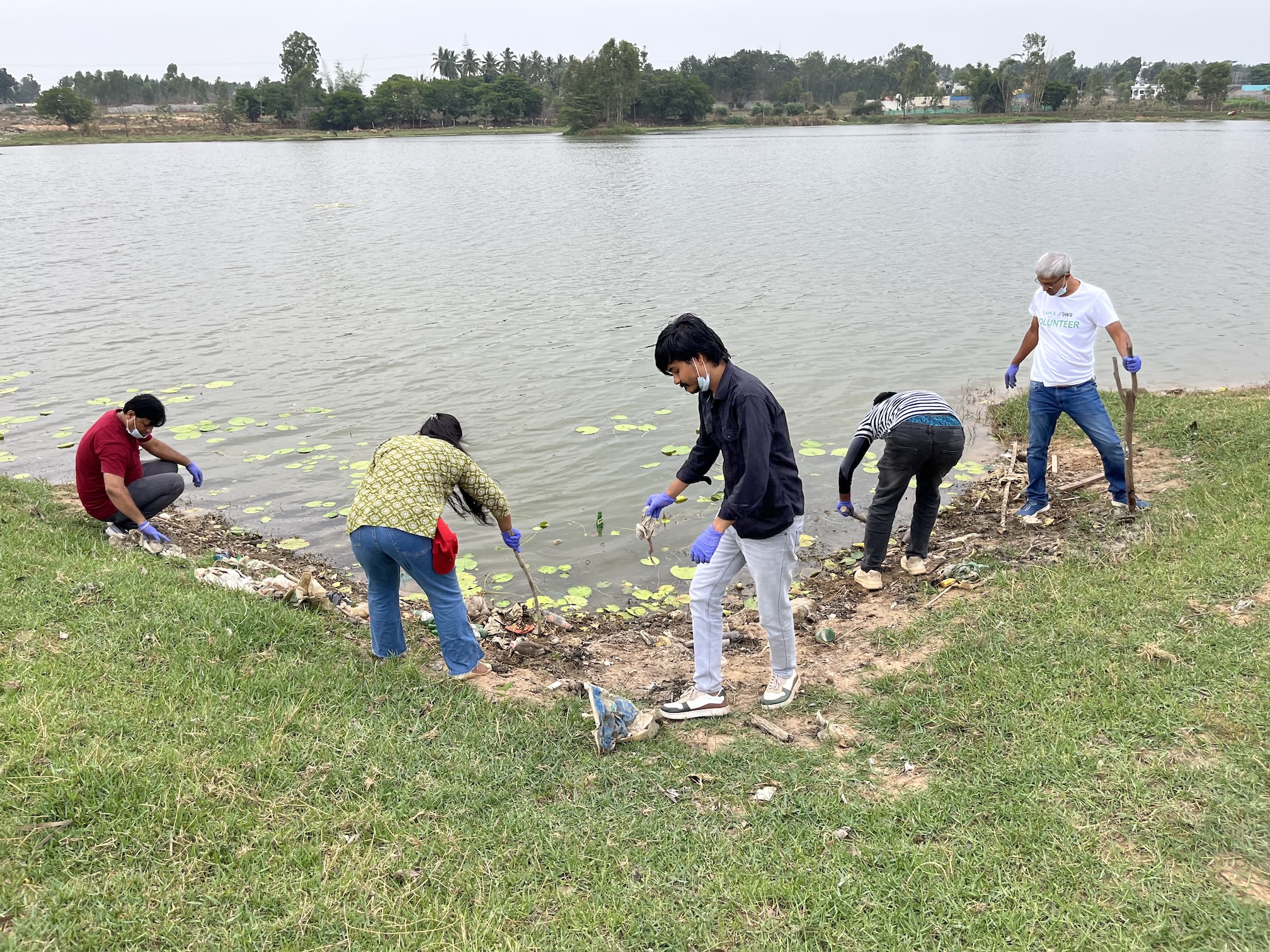
The India visit continued in Pune, a green city known for its rich history and strong educational identity. On 10 May, 24 DWS volunteers joined a clean-up along the Mutha River. Despite the intense heat, the team showed great motivation and teamwork throughout the activity. Large amounts of litter were collected, including cigarette butts, single-use plastic packaging, and disposable plastic cups.
The river itself was heavily polluted, but signs of life remained visible: cows, herons, and even a beautiful kingfisher were seen nearby. Their presence was a reminder that polluted ecosystems are not empty places. They are still home to living species, and their protection matters not only for people but also for the biodiversity that continues to depend on them.
Bringing the conversation back to the office
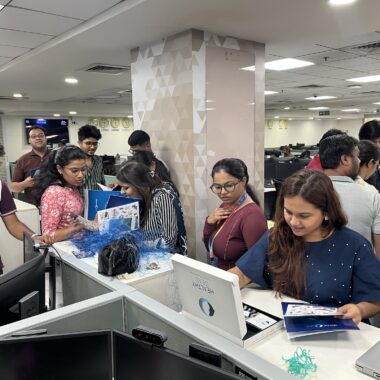
The following days included visits to the DWS Group offices in Business Bay and Magarpatta, where employees joined presentations, quizzes, and discussions focused on the Healthy Seas partnership, sustainability, marine litter, and circular economy solutions. The sessions welcomed 22 participants in the Business Bay office and 19 participants in the Magarpatta office. Employees asked thoughtful questions and showed genuine interest in understanding how marine litter is addressed through clean-ups, prevention, education, and circular solutions.
These office sessions are an important part of the Healthy Seas approach. Clean-ups offer direct experience, but education helps participants understand the bigger picture: where marine litter comes from, why it is so difficult to remove, and how collaboration between non profits, businesses, employees, and local communities can help address the problem.
Employee engagement rooted in local communities
Across Hong Kong and India, the activities showed different sides of the same challenge. On a beach in Hong Kong, recently cleaned but already full of debris again, participants saw how the tide keeps bringing pollution back. In Mumbai, plastic waste revealed the pressure placed on coastal environments by everyday consumption. In Pune, a polluted riverbank showed how inland waterways are also connected to the health of the ocean. For DWS employees, these were not abstract sustainability conversations. They were local, physical, shared experiences, moments where teams could act together and reflect on the environmental challenges present in their own communities.
For Healthy Seas, this is one of the most meaningful aspects of long-term partnerships: the opportunity to connect global ocean protection with local awareness, employee participation, and practical action.
A shared commitment to cleaner waters
Healthy Seas and DWS have been working together for several years to support marine protection, clean-up missions, education, and awareness-raising activities. The May activities in Hong Kong and India added another layer to this collaboration by bringing employees directly into the conversation. From classrooms and offices to beaches and riverbanks, ocean protection begins with understanding what is at stake and with people willing to take the first step.
Interested in engaging your regional teams?
Healthy Seas works with partners to create meaningful employee engagement activities connected to ocean protection, marine litter, circular economy, and local environmental action. If your company would like to involve regional offices or employees in activities that support cleaner waters and stronger environmental awareness, we would be happy to explore opportunities together.
Get in touch with Healthy Seas to learn how your teams can take part in local action for healthier seas.