Partner Spotlight - Designing Change from the Bottom Up – OBJECT CARPET’s Ocean Commitment
Daniel Butz on circular design, glowing marine litter, and why sustainability starts with systems, not slogans
In this edition of our Partner Spotlight series, we’re proud to feature OBJECT CARPET, a long-time partner of Healthy Seas and a pioneer in sustainable textile flooring. Based in Germany, OBJECT CARPET has built a reputation for bold design, high performance, and deep environmental responsibility—long before “green” became a marketing trend.
As one of the first companies in their industry to embrace ECONYL® regenerated nylon, OBJECT CARPET has shown that flooring can do more than cover a surface—it can tell a story. ECONYL® is produced by Aquafil, also a Healthy Seas partner, using discarded nylon waste such as textile scraps, old carpets, and also fishing nets recovered from the sea through Healthy Seas cleanups or collaboration with the fishing industry.
For years, OBJECT CARPET has supported cleanup, education, and prevention efforts with Healthy Seas across Europe. But beyond funding, they’ve helped drive awareness of ocean plastic pollution by integrating circular materials into stunning, design-forward products for commercial interiors.
We spoke with Daniel Butz, CEO of OBJECT CARPET GmbH, about what the ocean means to him, how collaboration fuels true sustainability, and why flooring can be a force for regeneration.
Q&A with Daniel Butz, CEO – OBJECT CARPET GmbH
Tell us briefly about your organisation
OBJECT CARPET is a family-owned textile flooring manufacturer from Germany, specializing in sustainable, design-driven solutions for commercial interiors. With a strong focus on innovation and environmental responsibility, we were among the first in our industry to adopt circular materials such as ECONYL® regenerated nylon. Sustainability is not just a trend for us, it’s a mindset that shapes every decision we make.
What does the ocean mean to you personally?
The ocean is a symbol of both beauty and fragility. It grounds me, humbles me and reminds me how deeply interconnected all life on this planet is. When I think of the ocean, I think of future generations and our responsibility to protect this incredible, life-giving ecosystem.
Earth or Mars?
Earth, without a doubt. We don’t need an escape plan – we need a commitment to care for what we already have. No planet offers the richness and vitality that Earth does. We must stop looking for plan B and start acting with urgency for plan A.
Which is your favourite place on Earth? And why?
The coastline near Saint-Jean-Cap-Ferrat in the South of France. It’s a place where nature, history and calm come together… and the light on the water at sunset is simply unforgettable.
What is one small habit everyone can adopt to help reduce ocean pollution?
Rethink your consumption. Ask yourself: Do I really need this and what happens to it after I throw it away? Choosing quality over quantity, and products made from circular or recycled materials, is a powerful start.
What’s the most surprising thing you’ve learned about marine pollution?
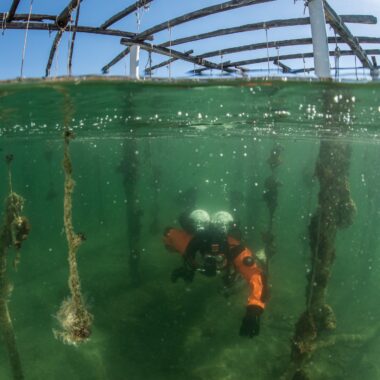
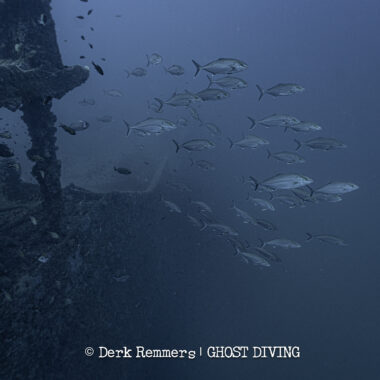
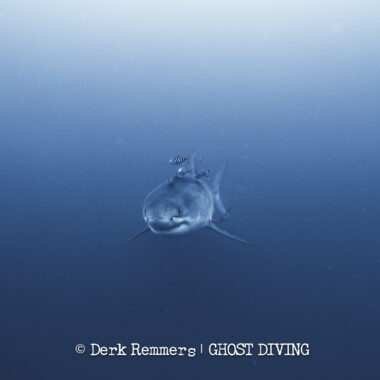
That so much of it is hidden beneath the surface. Especially ghost nets and other abandoned fishing gear – they lie unseen on the ocean floor, entangling marine life and damaging entire ecosystems.
What’s the most memorable thing you have experienced with/thanks to Healthy Seas?
Seeing the actual ghost nets being brought up from the sea for the first time was unforgettable. Even more powerful was witnessing how these old fishing nets are transformed into regenerated yarn and then into the carpets we produce at OBJECT CARPET. It’s an emotional moment when you realize that what was once deadly waste for marine life becomes a beautiful, durable and fully recyclable floor covering. It makes our mission tangible and shows that circularity really works.
If you could send one message to the world about ocean conservation, what would it be?
Plastic should never end as pollution but return as valuable material. It’s time to redesign systems, not just clean up the mess.
Can you share a moment when you felt truly hopeful about the future of our oceans?
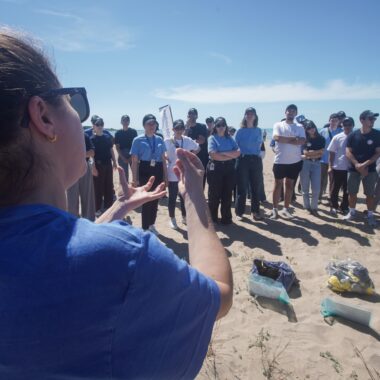
Seeing our own children take action during a beach holiday gave me real hope. Without anyone asking, they organized a small cleanup, dragging old nets and plastic waste off the beach, just because they knew it was the right thing to do.
It reminded me that change doesn’t have to wait for politics or big systems. It begins with awareness, small actions, and a sense of responsibility, especially from the next generation. That’s where real transformation starts.
What’s the most incredible transformation you’ve seen as a result of ocean cleanup efforts?
Seeing ghost nets transformed into high-quality ECONYL® yarn and then into beautiful, durable carpets is inspiring. It shows that waste isn’t the end of the story. It’s the beginning of a new one.
How has your work with Healthy Seas changed your perspective on sustainability?
It made me realize how vital partnerships are. True sustainability can’t be achieved in isolation – it’s about building ecosystems of change, where everyone contributes their part. Better Together.
If you could solve one ocean-related issue instantly, what would it be?
I’d make every piece of ocean waste glow in the dark. Imagine if all the hidden pollution beneath the waves—from plastic bags to ghost nets—became visible. We’d no longer ignore what we can’t see. And with visibility comes responsibility and action.
How do you see your industry evolving to support ocean sustainability in the next decade?
I believe the textile and flooring industry will fully shift toward circular design. Transparency of materials, digital product passports, and full recyclability will become standard. We’re working on being ahead of that curve.
What’s one thing you’d love to do with Healthy Seas in the future?
We want to create even more awareness among key decision-makers. That’s why, for the third time, we’re bringing architects, developers and project owners directly to the Aquafil plant and warehouse – so they can witness first-hand how recovered ghost nets are transformed into regenerated yarn for our carpets. Experiencing this process up close turns abstract sustainability into something tangible and unforgettable.
What is your favourite marine animal and why?
The octopus. It’s intelligent, adaptable, and mysterious. A reminder that the ocean holds many wonders we still don’t fully understand and all the more reason to protect it.
OBJECT CARPET x Healthy Seas: Flooring That Tells a Story
At OBJECT CARPET, sustainability isn’t a label—it’s woven into every fibre. Through their long-standing partnership with Healthy Seas, they’ve supported ocean cleanups, educational efforts, and circular innovation that turns waste into value.
By using ECONYL® yarn made in part from fishing nets recovered by Healthy Seas, OBJECT CARPET not only redefines interior design but also proves that every material choice can be a step toward regeneration.
Want to read more partner stories?
Catch up on inspiring interviews with Hyundai, Friedmans, Aquafil, DWS, GAMOMAT, Bracenet and arena—and stay tuned for the next one.
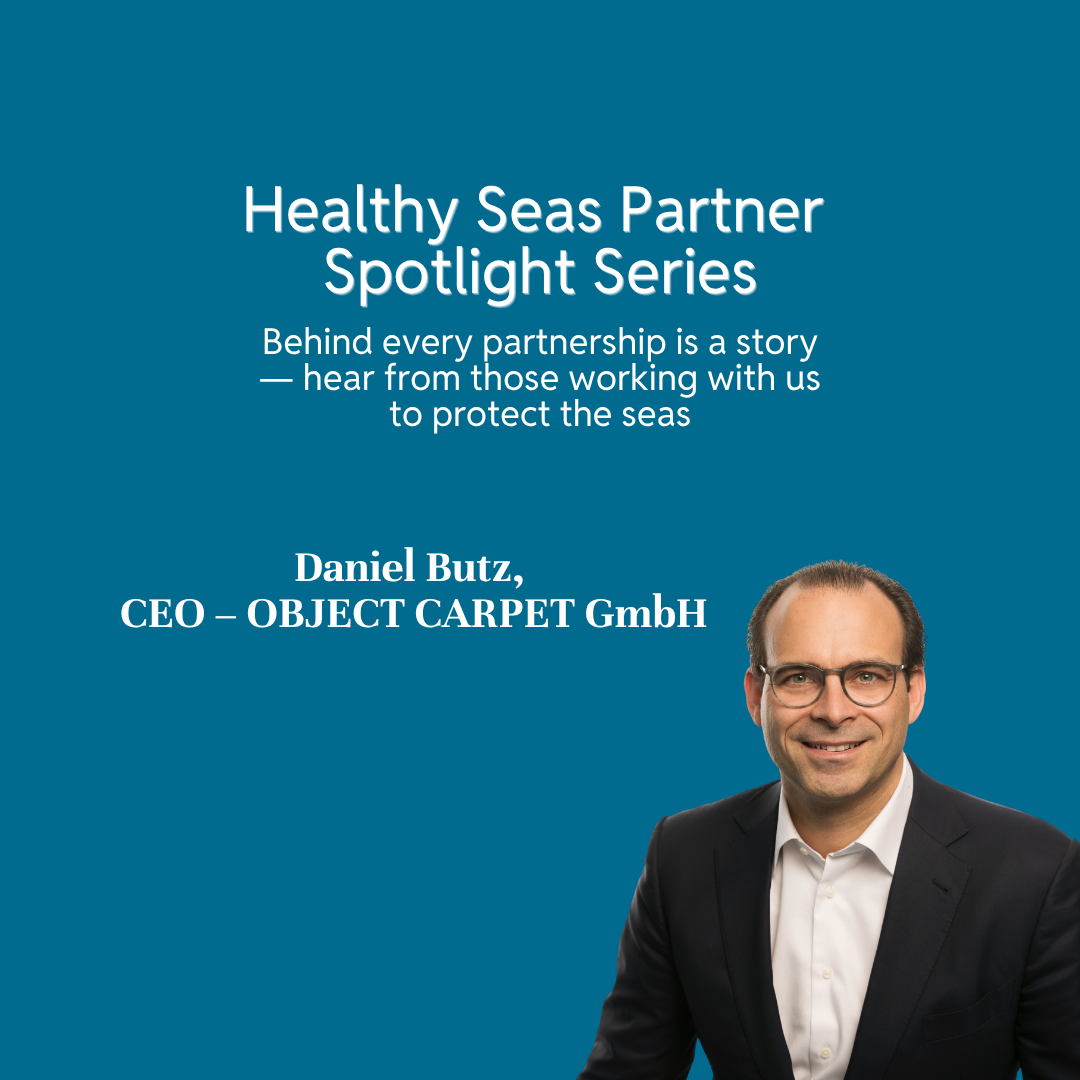
Daniel Butz
CEO – OBJECT CARPET GmbH
Check out our carrousel online