
Sponges: The Quiet Animals That Clean the Ocean
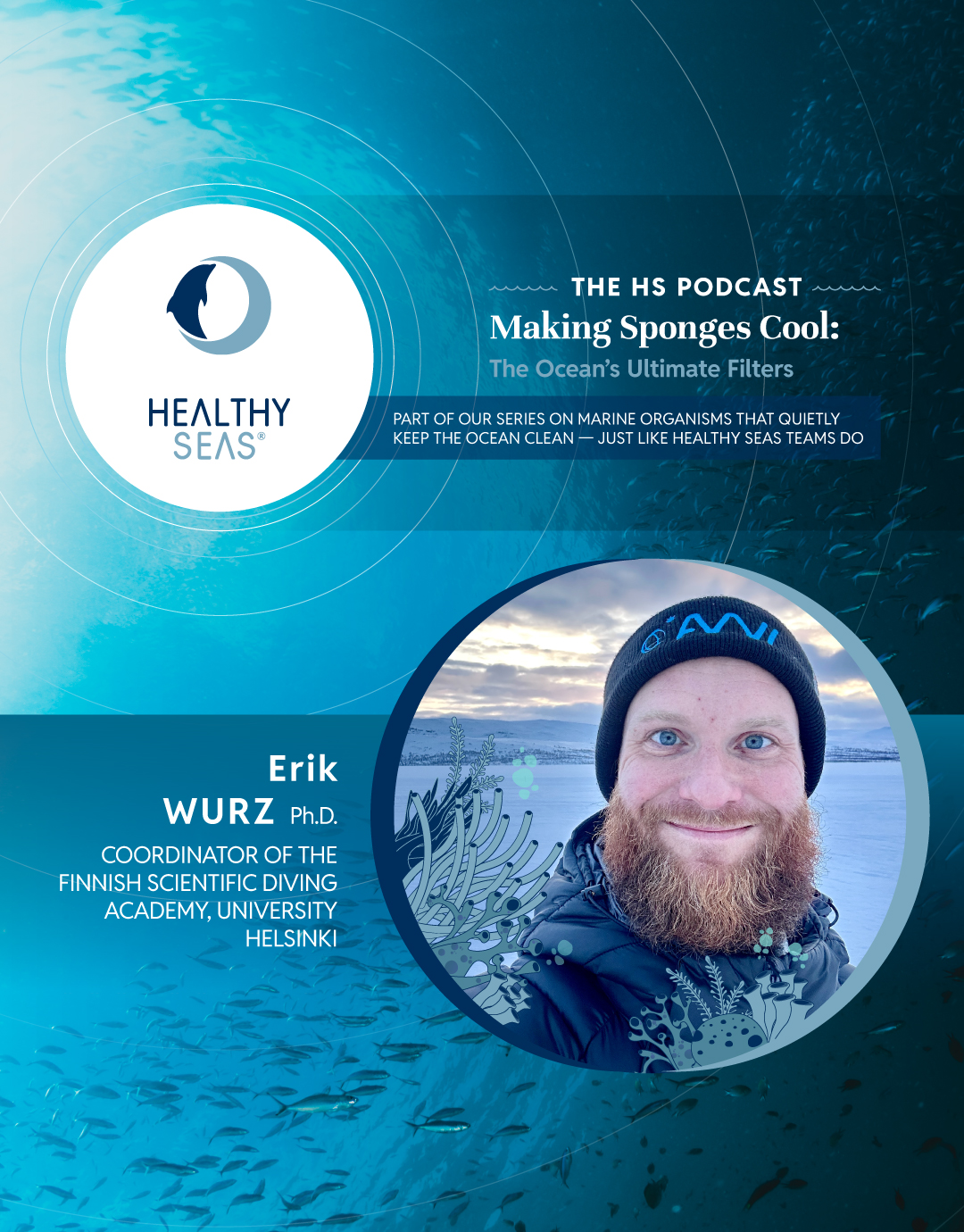
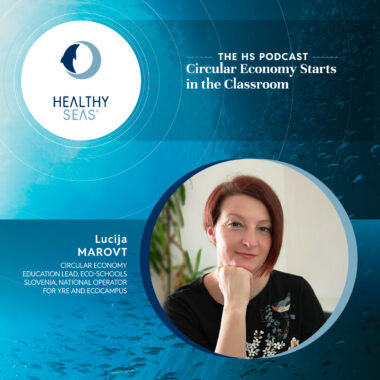
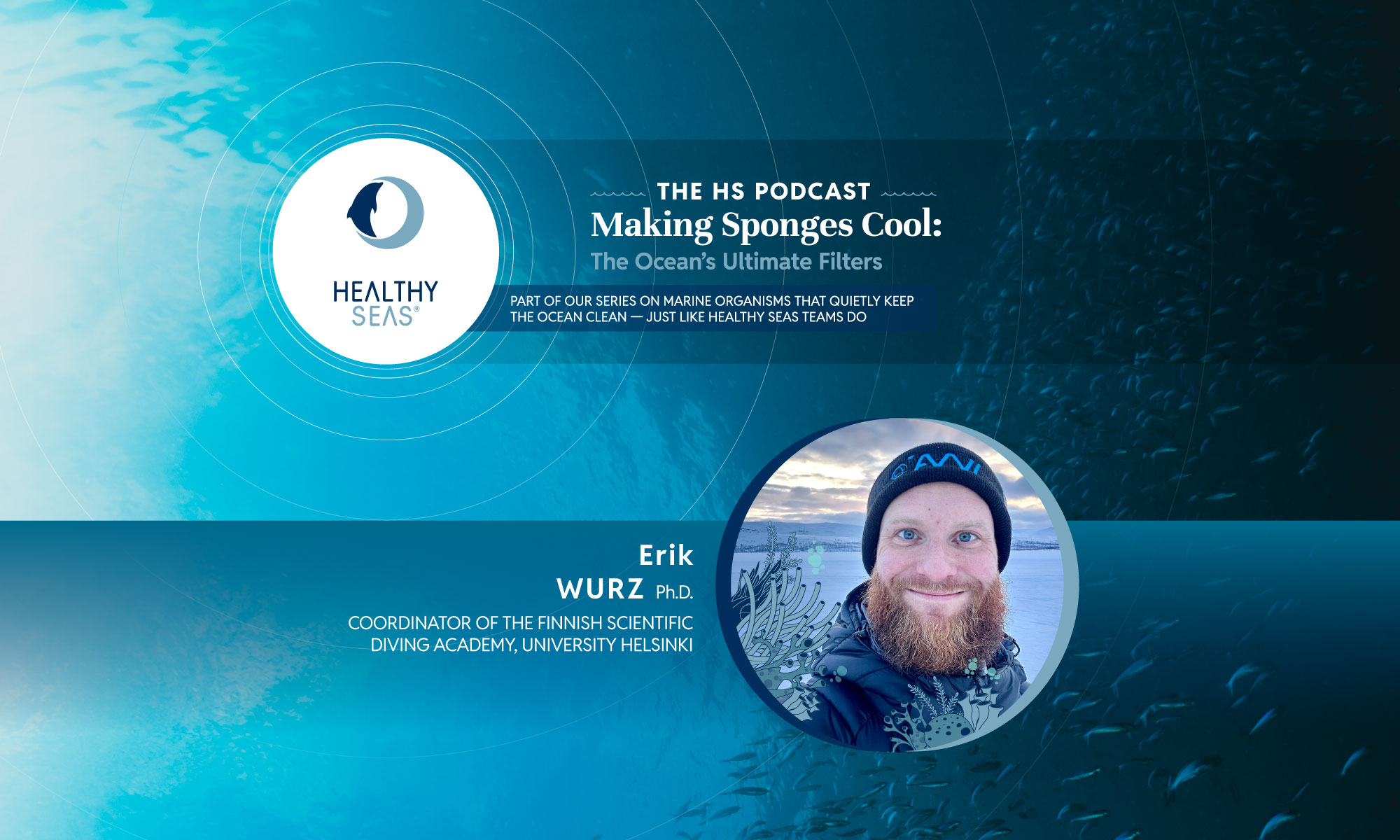
In this episode of our “Ocean’s Natural Cleaning Crew” series, marine scientist Erik Wurz reveals how sponges filter water, recycle nutrients, and quietly sustain marine life
Most of us think of ocean protection in terms of visible action: removing nets, collecting waste, monitoring habitats. But beneath the surface, nature has its own clean-up teams: organisms that filter water, recycle nutrients, and make marine ecosystems possible.
In this episode of our series on marine life that helps keep the ocean clean, we meet one of its most overlooked workers: the sponge.
Marine biologist Erik Wurz (University of Helsinki) takes us into a world most people never notice: animals that can look like paper sheets, chimneys, or giant vases, quietly pumping water through their bodies day and night.
A football-sized sponge, he explains, could filter up to 30,000 liters of seawater per day, removing bacteria, particles, and dissolved matter and releasing ultra-clean water back into the ocean. But their role goes far beyond filtration.
By transforming microscopic organic material into edible particles, sponges effectively kick-start marine food webs, making energy available to fish, invertebrates, and entire ecosystems. Without them, many marine habitats would struggle to sustain life. In some parts of the deep sea, they even form vast “animal forests,” structures that provide shelter, breeding grounds, and feeding platforms for countless species.
And yet, despite their importance, sponges remain largely invisible in public imagination overshadowed by more charismatic marine animals. That’s something Erik hopes to change: “I hope this podcast helps make sponges cool.”
The conversation also explores how climate change, sediment disturbance, and bottom trawling can disrupt sponge ecosystems with long-term consequences for fisheries, ocean health, and even potential biomedical discoveries hidden within sponge microbiomes.
If Healthy Seas teams remove debris in marine habitats, sponges do something incredibly remarkable too — continuously and silently — by filtering, recycling, and sustaining the ocean from within.
This episode invites us to look again at the seabed and many other places and notice the quiet workers already keeping it alive.
📩 Subscribe to the Healthy Seas newsletter
💖 Discover how your organization can support marine protection and biodiversity with Healthy Seas