
Wrecks of Life:
Tracking Biodiversity After the Nets
Science is our compass in the vast ocean of uncertainty, guiding us not only to restore the blue heart of the planet, but to secure a future where nature can thrive.
A New Mission with DWS: Investigating Life After Ghost Nets
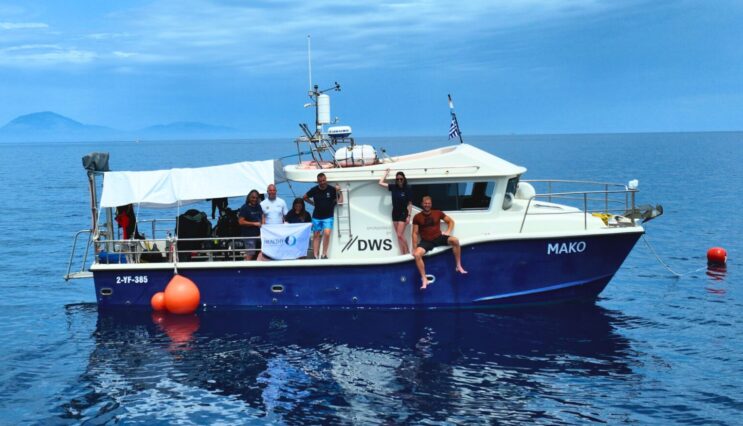
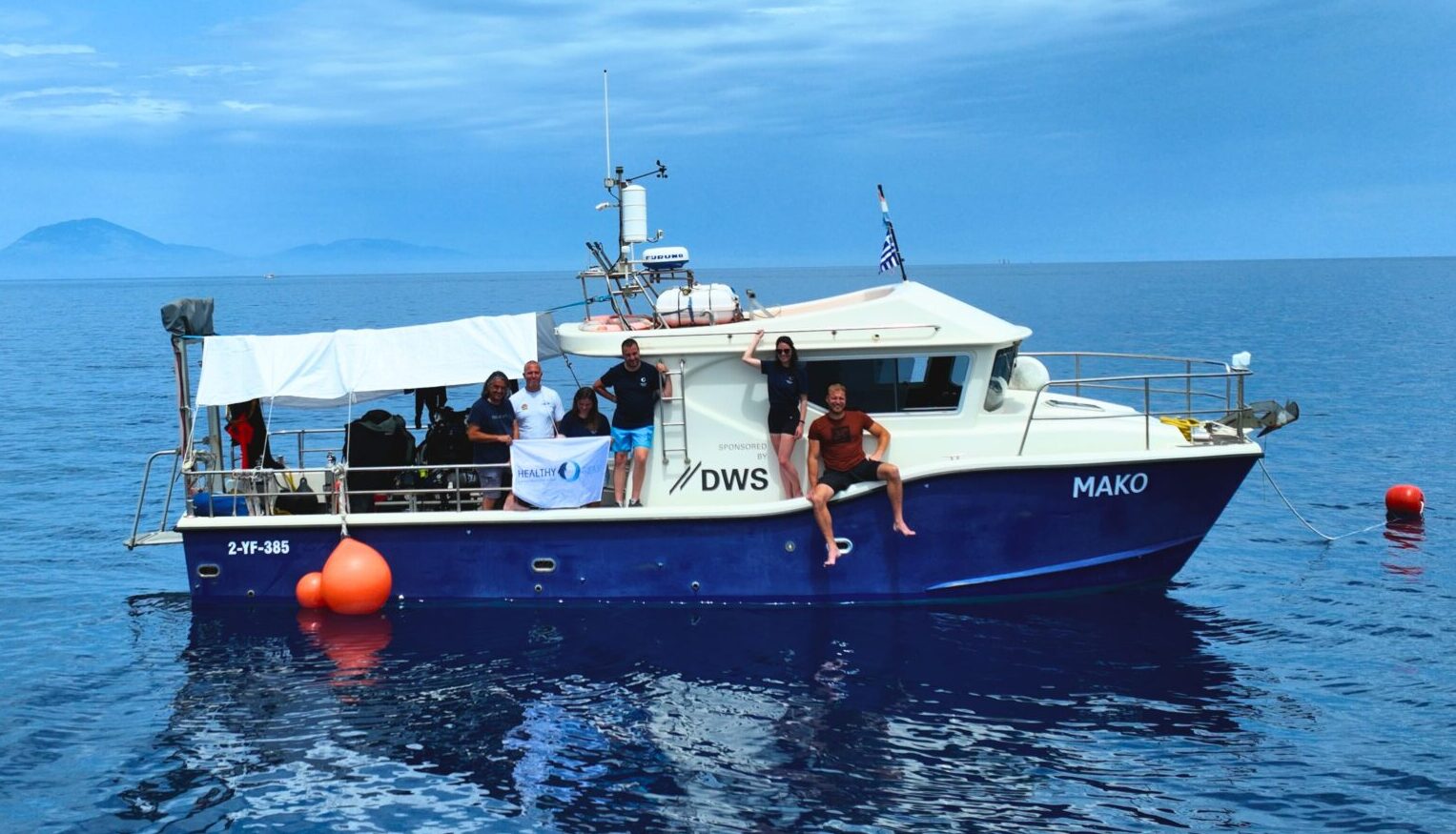
From May 18th to 25th, Healthy Seas carried out the first part of a new scientific mission in the Ionian Sea, in collaboration with our long-term partner DWS Group. This project, focused on biodiversity loss and marine recovery, builds on our shared commitment to climate action and ocean protection.
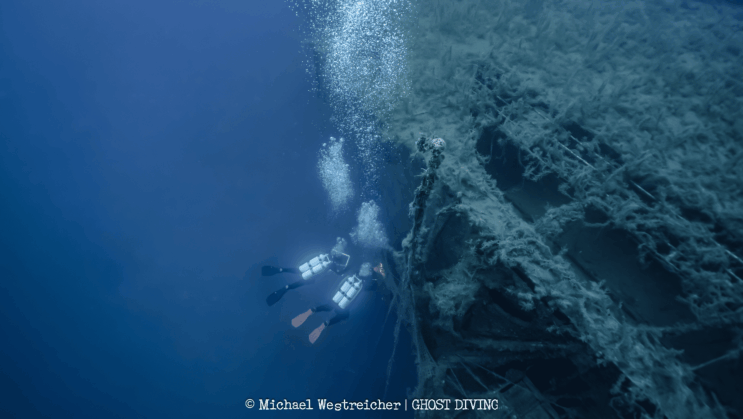
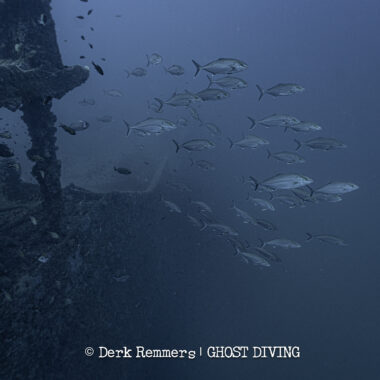
At the center of this project is a unique opportunity: to study how life returns to marine ecosystems after ghost nets are removed. The mission took place at a shipwreck near Zakynthos, and it was designed as the first of two key phases. The second phase is planned for six months from now, when we will return to the same wreck to document changes in biodiversity, species behavior, and habitat recovery.
A Unique Partnership Driving the Project
DWS’s support has made it possible to take a close, hands-on look at the underwater world surrounding a wreck in the Ionian Sea. Working alongside volunteer divers from Ghost Diving, the project combines scientific expertise with real-world action, removing ghost nets while gathering the data necessary to understand their impact on a wide array of marine life.
How the Expedition Was Carried Out
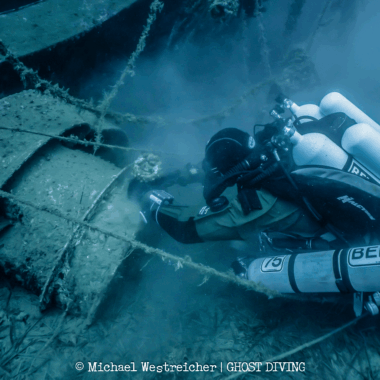
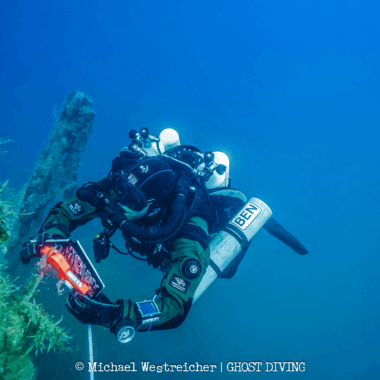
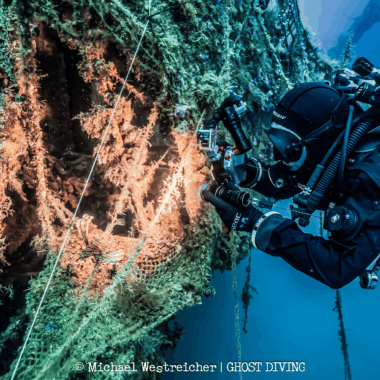
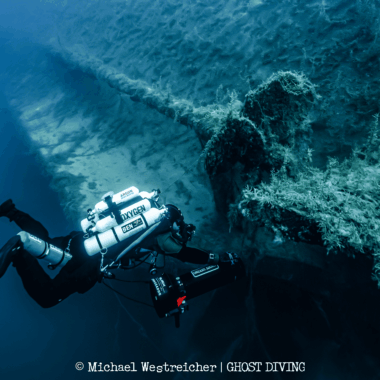
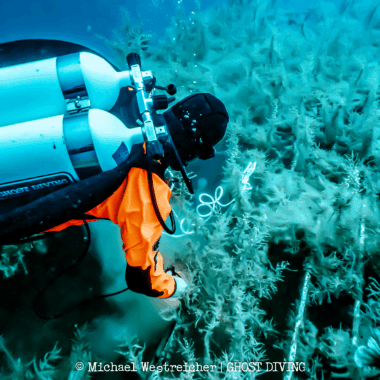
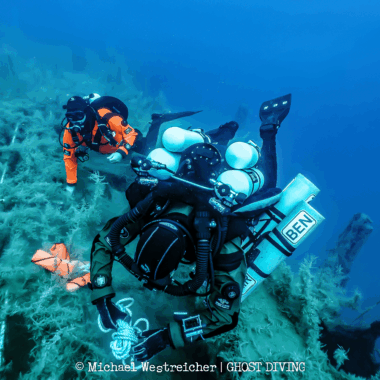
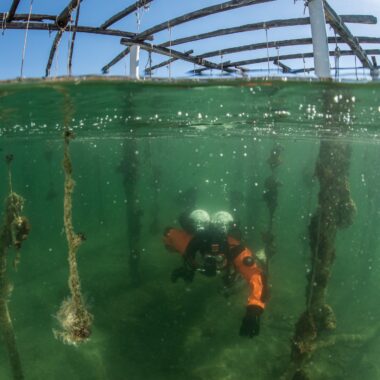
Our team of six technical divers conducted 11 dives between 38 and 40 meters deep, across more than 10 hours underwater. The wreck was divided into specific zones, some areas still tangled in ghost nets, others cleared. This approach allows for a comparative analysis of biodiversity in impacted versus recovering areas. The team systematically photographed the sites, measured net coverage, and collected environmental samples to build a detailed snapshot of life on the wreck — including sessile invertebrates, algae, and microplastic pollution.
The Challenge of Ghost Nets on Shipwrecks
Ghost nets pose a major threat to ocean ecosystems worldwide. These abandoned fishing gears continue to trap wildlife and block access to habitats. This mission seeks to understand their ecological footprint by examining how biodiversity responds once these nets are removed. By comparing sections of a shipwreck that were entangled in nets with those that were net-free and monitoring recolonization over time, the project aims to provide new insight into marine recovery dynamics.
How We Study Life Beneath the Surface
Studying the underwater world takes more than just looking around — it requires the right tools to capture consistent, reliable data. During our dives at the wreck, the team used several specialized methods to document and understand the biodiversity and habitat complexity of the marine environment.
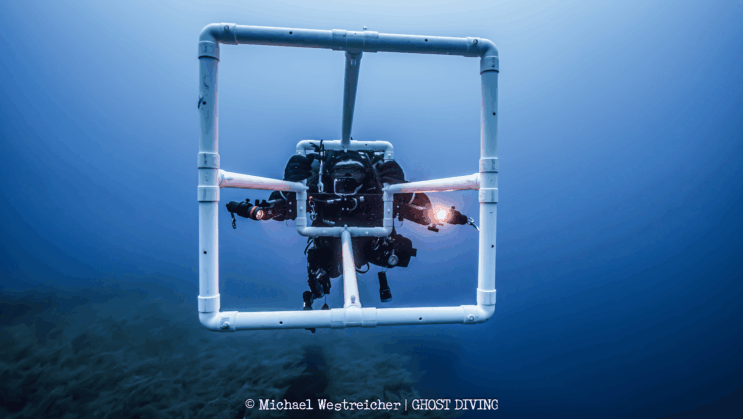
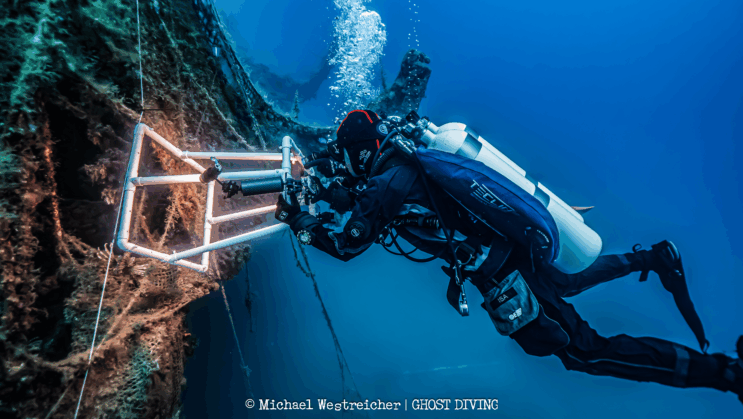
- One key tool is the photoquadrant — a square frame that divers place on the wreck and net to photograph the exact same patch of habitat each time. Think of it as a tiny window into the ecosystem, allowing us to track changes in species abundance and diversity with precision and repeatability.
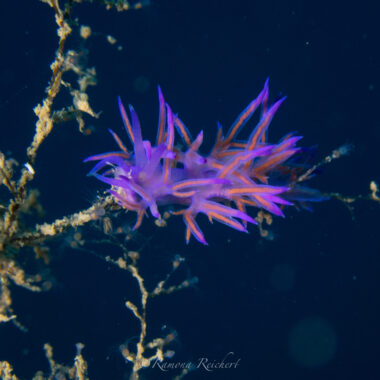
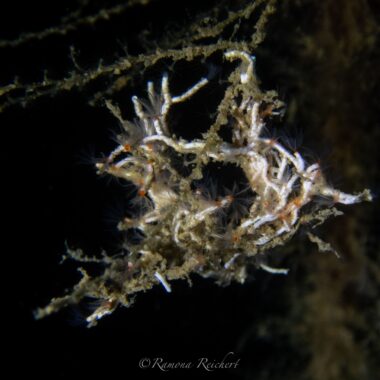
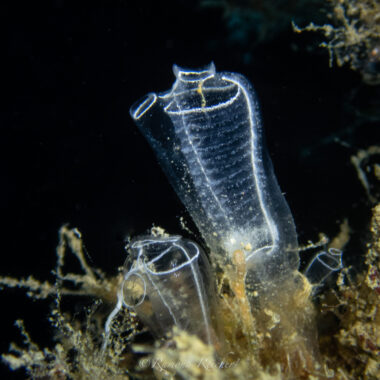
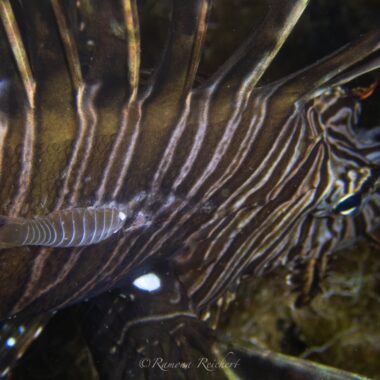
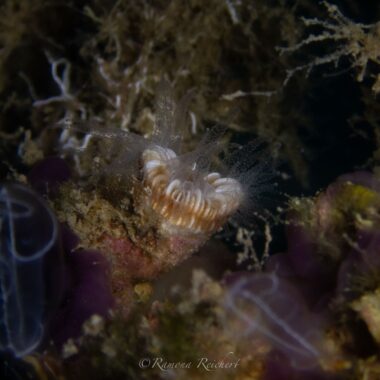
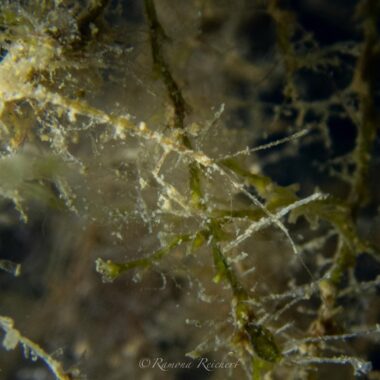
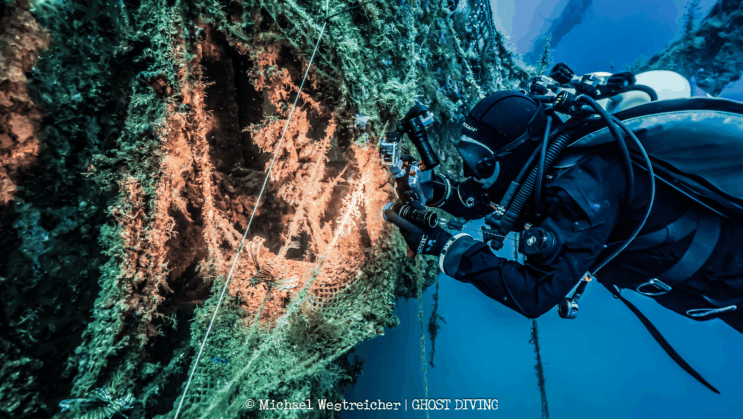
- We also use macro photography, which lets us capture detailed close-ups of small species and individuals. These images help identify the many forms of marine life inhabiting the wreck, including cryptic and hidden species essential for ecosystem function.
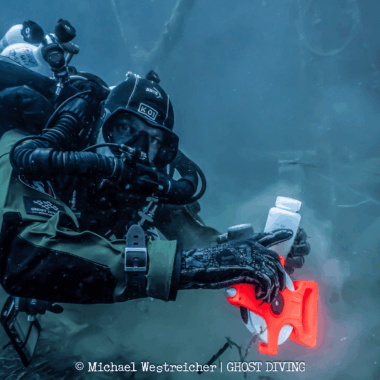
- To understand invisible threats, we collected water and sediment samples using sample tubes. These samples were later analyzed to detect microplastics, which can harm a variety of organisms.
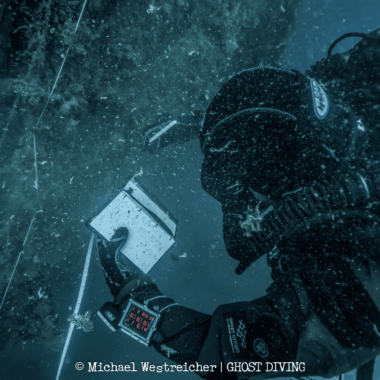
- We used measuring tapes underwater to map out the extent of ghost nets tangled on the wreck. This wasn’t just about spotting the nets but measuring how much of the wreck they cover, giving us a clearer picture of how much habitat is blocked.
Why Biodiversity Matters
Biodiversity, the variety of plants, animals, and microorganisms living in an ecosystem, is essential to the health and resilience of the oceans. It’s more than just a list of species. Biodiversity creates balanced food webs, supports fisheries, and helps ecosystems recover after damage or change. Marine biodiversity encompasses everything from microscopic plankton and coral communities to diverse fish species, crustaceans, molluscs, sponges, and marine mammals. Each group plays a unique role: sponges filter water, fish regulate prey populations, and microbes recycle nutrients. When marine biodiversity thrives, reefs flourish, fish populations stabilize, and oceanic natural systems can better withstand or recover from threats like pollution, climate change, and negative impacts of invasive species. In short, biodiversity is the ocean’s lifeline, and understanding it is key to protecting the seas.
Early Observations from the Zakynthos Wreck
Though this was just a snapshot in time, some important biodiversity patterns began to emerge during our week underwater. Corals and other marine life were found thriving in parts of the wreck, while areas still entangled in nets showed reduced diversity. Traces of microplastics were detected in the collected samples, suggesting that the nets may be degrading into the ecosystem adding to local pollution and potentially threatening marine species. While it’s too early to draw firm conclusions, these findings provide valuable baseline data to inform further analysis.
Looking Ahead: What’s Next for the Project
Our work is far from over. The photos and samples gathered during the expedition are now being analyzed in detail to produce a comprehensive biodiversity report. These insights will help us understand not only the current state of the wreck’s ecosystem but also the longer-term effects of ghost nets on species diversity, abundance, and habitat quality. In six months, we plan to return to the Zakynthos wreck for a follow-up dive, to monitor changes and see how the marine environment and its diverse inhabitants respond over time.
Understanding is the first act of protection. What we learn from these wrecks of life can guide a new era of healing for our oceans — if we choose to listen, and act.