
Ghost Farms and Ecosystems of Change: A UN Ocean Conference Virtual Side Event
Turning Abandoned Aquaculture into Circular Solutions
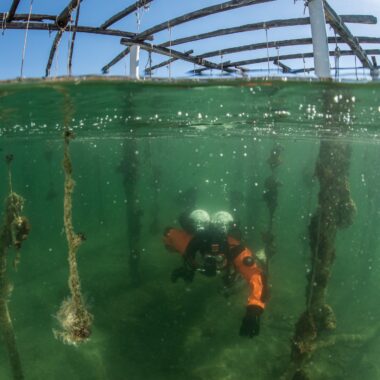
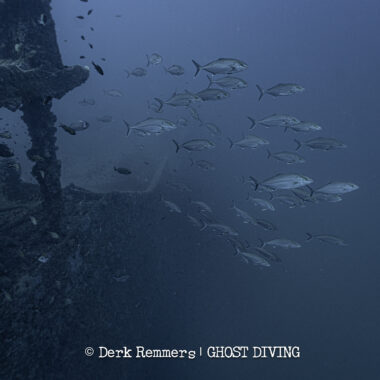
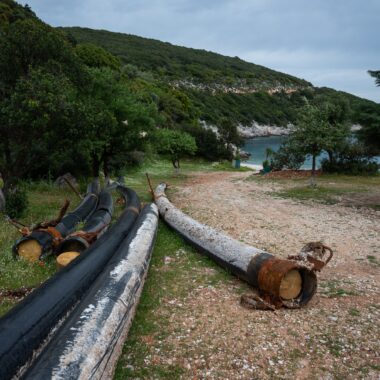
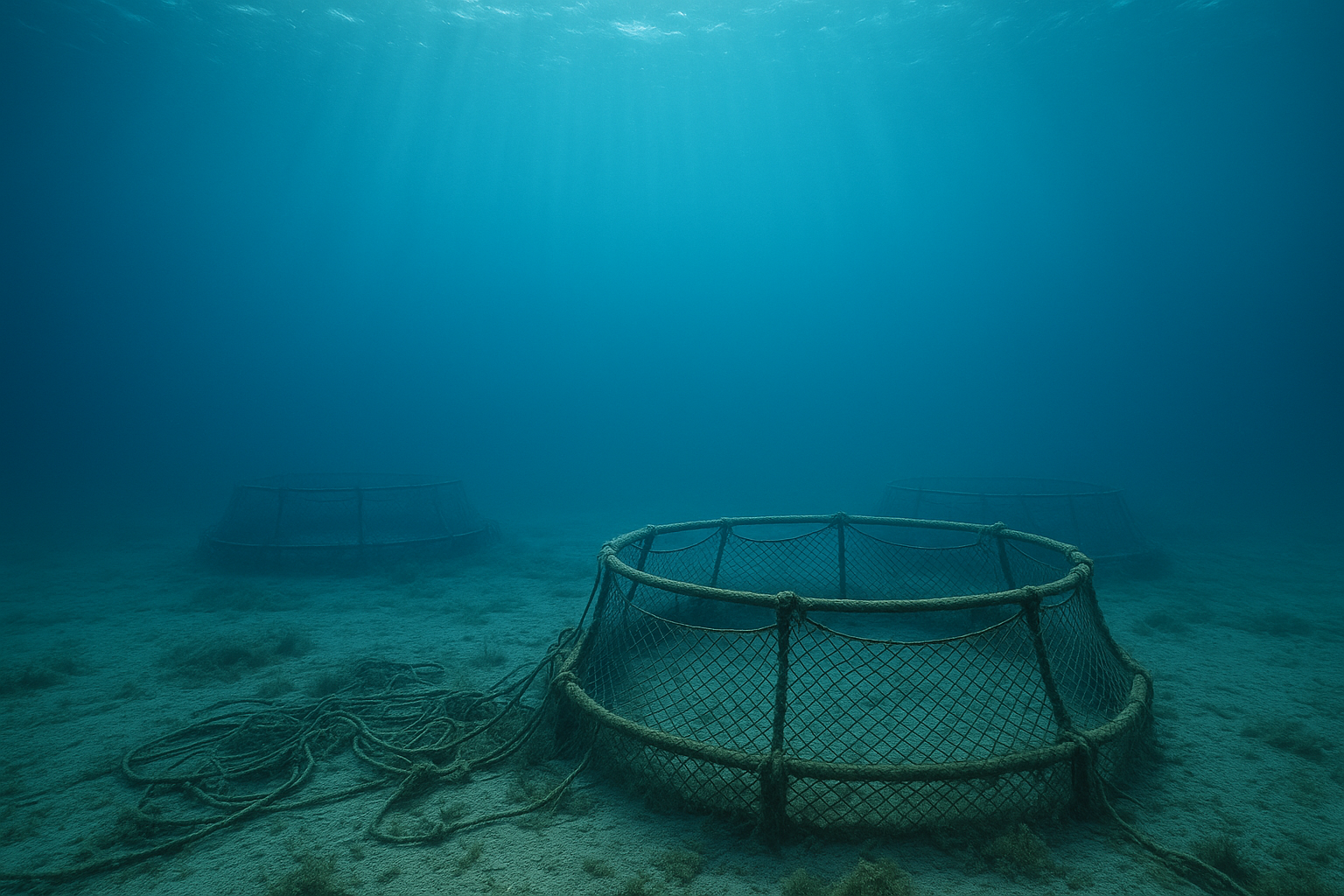
Every year, more aquaculture facilities are left to decay in our oceans—becoming ghost farms. These abandoned fish farms release plastic, nets, and synthetic infrastructure into the sea, threatening marine life, endangering navigation, and polluting some of the most biodiverse coastal areas. But what if these degraded structures could become starting points for environmental transformation and collaboration?
Join Healthy Seas and partners for a powerful virtual side event during the 2025 UN Ocean Conference in Nice, where we will present real-world stories of recovery and innovation from ghost farms in Greece. From hands-on cleanups to educational outreach and circular design, this session will explore how abandoned aquaculture can be tackled through cross-sector collaboration—and turned into an ecosystem of positive change.
Event Details
Title: Ghost Farms and Ecosystems of Change: From Marine Waste to Circular Solutions
Date: June 11th 2025 – 17:00 – 18:00 CEST
Format: Virtual | Free participation
Duration: 60 minutes (40 min discussion + 20 min Q&A)
What to Expect
The session features field-based insights and innovative approaches to marine protection through the lens of “ghost farms”—abandoned aquaculture sites that represent both a threat and a catalyst for change.
We explore:
-
The ecological risks posed by ghost farms and what it takes to clean them up
-
How universities are training the next generation to respond to ocean degradation
-
How recycling technologies are transforming ghost nets into regenerated products
-
How the fishing industry itself is advancing circularity, including the development of recyclable aquaculture nets
Speakers
Veronika Mikos
Director, Healthy Seas
Introducing the concept of ghost farms and sharing Healthy Seas’ on-the-ground efforts to remove pollution, mobilize volunteers, and build long-term partnerships for marine conservation.
Cristina Zantioti
PhD Researcher, Agricultural University of Athens
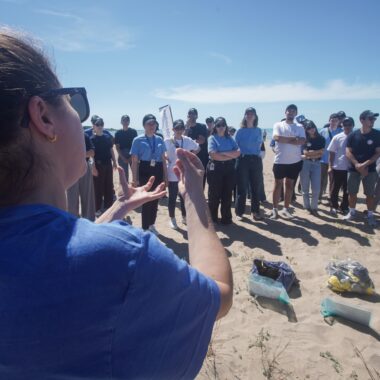
Highlighting educational efforts in Greece to raise awareness about ghost farms among students, universities, and local communities—fostering a new wave of ocean-minded citizens.
Maria Giovanna Sandrini
Chief Communication Officer at Aquafil S.p.A.
Presenting circular solutions: from the regeneration of fishing nets into ECONYL® yarn to the latest innovation—recyclable fish farming nets that redefine the aquaculture industry.
Ioakim Diamantidis
General Manager of Diopas
Sharing the development and pilot testing of the first fish farming net made from regenerated nylon and designed to be recyclable at the end of its life—co-developed with Aquafil. He will also reflect on broader efforts by the fishing industry to reduce its environmental footprint.
Why It Matters
Abandoned aquaculture is an urgent and overlooked source of marine litter. Yet, it also presents a chance to act—bringing together environmental groups, educators, innovators, and companies that want to be part of the solution.
By showcasing this ecosystem of collaboration, we aim to inspire scalable action toward several key Sustainable Development Goals, including:
-
SDG 14 – Life Below Water: Combat marine pollution, protect ecosystems, and support marine research capacity
-
SDG 12 – Responsible Consumption and Production: Promote circular design, reduce waste, and support sustainable innovation
-
SDG 17 – Partnerships for the Goals: Strengthen cross-sector cooperation to achieve shared environmental objectives
Want to know more about our work against ghost nets and ghost farms?
Visit www.healthyseas.org or follow us on LinkedIn, Instagram, and YouTube.