
Healthy Seas Brings the Ghost Farms Conversation to the Greek Aquaculture Congress
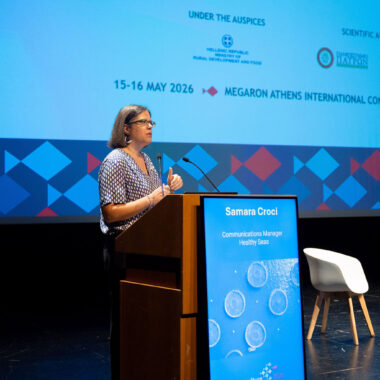
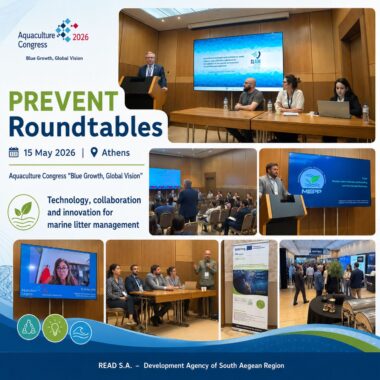
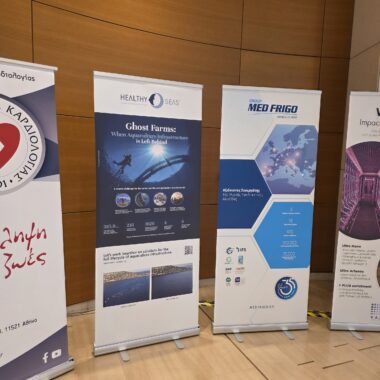
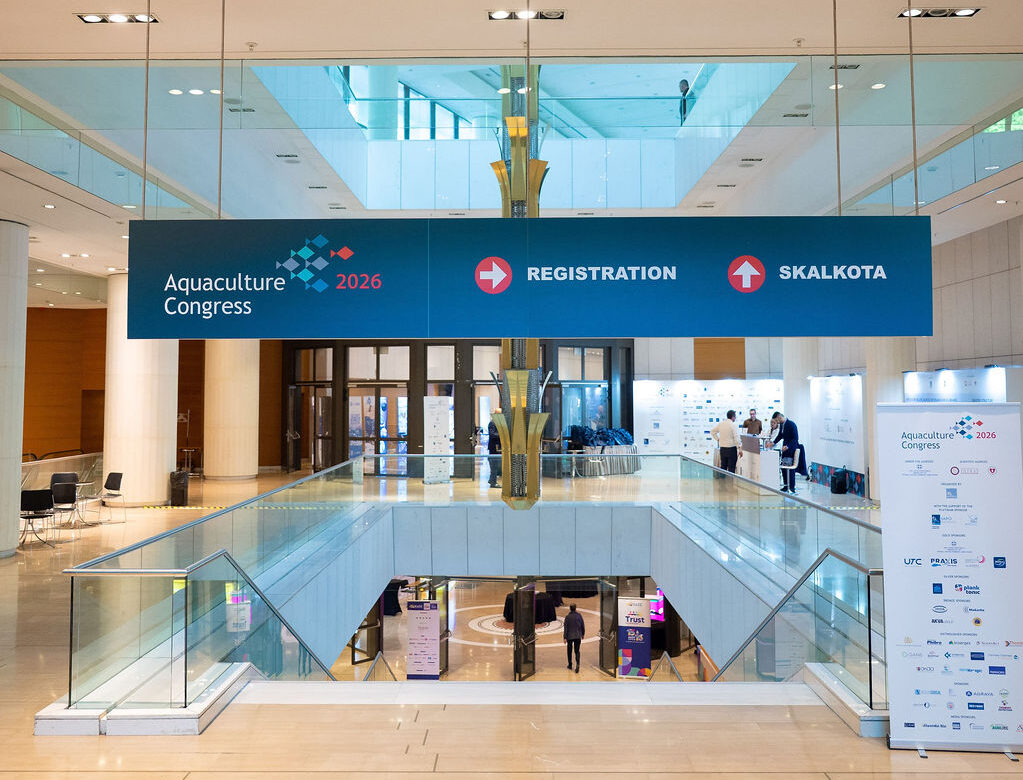
In May 2026, Healthy Seas participated in the Greek Aquaculture Congress in Athens, where scientists, industry representatives, ministries, and environmental organisations gathered to discuss the future of aquaculture and marine sustainability. The congress was organized by AMBIO S.A., with the support of the Hellenic Aquaculture Producers Organization and under the auspices of the Ministry of Rural Development and Food of the Hellenic Republic.
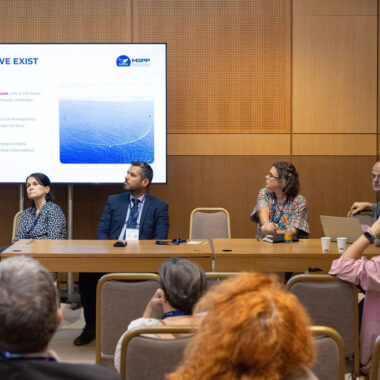
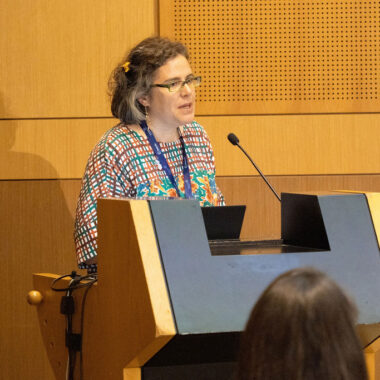
Representing Healthy Seas were Communications Manager Samara Croci and Project Manager Zeta Kabardi, who joined discussions with scientists, ministries, industry representatives, technology providers, and sustainability experts from across the Mediterranean aquaculture sector.
Healthy Seas participated in two sessions during the congress, bringing to the conversation one of the organisation’s most complex and growing areas of work: abandoned fish farms, also known as “ghost farms.”
Why Healthy Seas Was There
At first glance, the presence of a marine conservation non-profit at an aquaculture congress may seem unexpected. But abandoned fish farms are no longer only an environmental issue. They are also an industry issue.
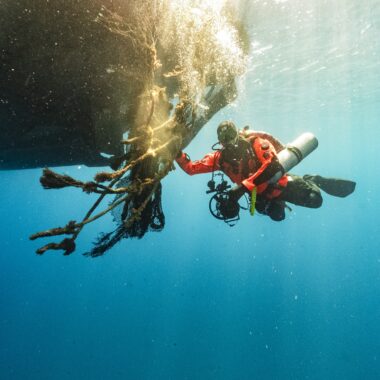
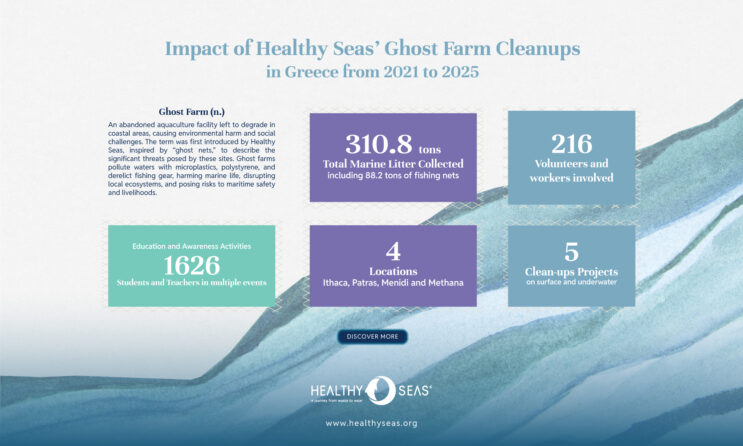
Over the past five years, Healthy Seas has worked on the removal of abandoned aquaculture infrastructure across Greece. Through these projects, the organisation has witnessed how neglected fish farms impact marine ecosystems, navigation safety, tourism, local communities, and coastal municipalities. At the same time, these sites increasingly affect the public perception and credibility of the aquaculture sector itself.
Healthy Seas joined the congress to bring field experience into a broader conversation about sustainability, responsibility, and the future of marine industries.
Ghost Farms: More Than Marine Litter
During the congress sessions, Healthy Seas presented insights gathered from years of clean-up operations, collaboration with local authorities and communities, and the first scientific monitoring connected to the environmental impacts of abandoned aquaculture infrastructure.
Ghost farms are not simply industrial waste left at sea. They often reveal deeper governance and planning challenges. Questions that may appear administrative on paper — when is a site officially considered abandoned, who is responsible for removal, and how quickly intervention should happen — become environmental and economic problems with very real consequences. And time matters.
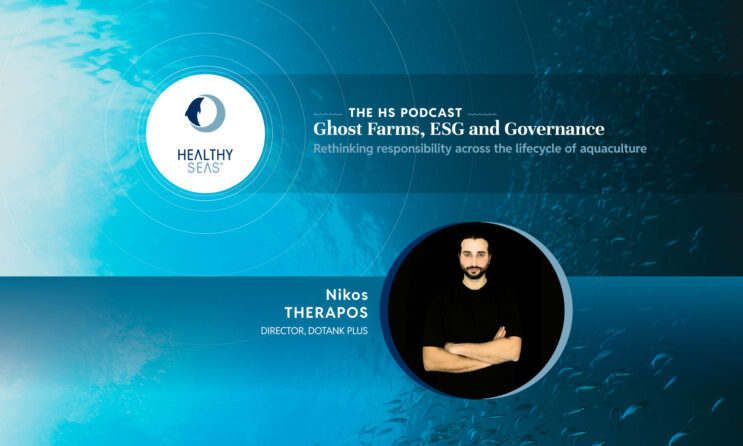
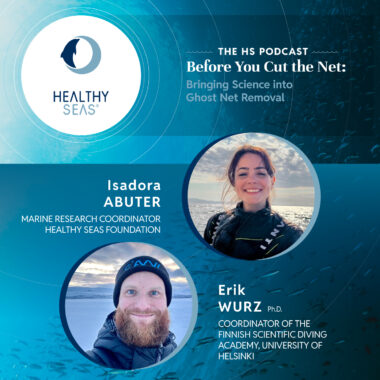
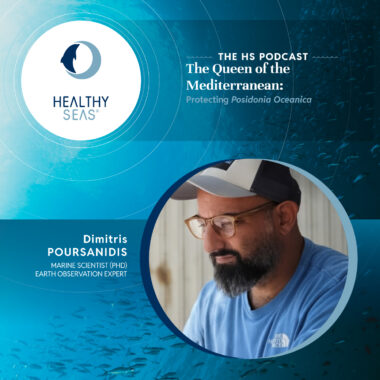
Our podcast on ghost farm and Governance
Many abandoned sites remain in the water for five, sometimes ten years or more. During that time, structures break apart, plastic pipes fragment, nets disperse, flotation systems drift away, and the cost and complexity of removal increases dramatically. This is why Healthy Seas believes end-of-life planning must become part of the sustainability discussion surrounding aquaculture.
A Sector Looking Toward Innovation
One of the most interesting aspects of the congress was the strong focus on scientific innovation and technological development within the aquaculture sector. Numerous presentations explored new feed formulations designed to reduce dependence on animal proteins, the integration of plant-based nutrients, solutions to improve fish health and disease prevention, and even the use of seaweed systems to help balance environmental impacts around farming areas.
Discussions also highlighted certification systems, monitoring technologies, biosecurity, and future spatial planning for aquaculture development in Greece. Compared to many traditional industries, aquaculture showed a significant investment in scientific research and technical innovation.
At the same time, conversations around licensing and marine spatial planning repeatedly revealed how difficult long-term governance of coastal infrastructure still remains.
The Gap Between Innovation and Legacy
This contrast became one of the clearest takeaways from the congress. While the sector develops increasingly sophisticated sustainability solutions, considerable amounts of abandoned infrastructure from the past are still degrading at sea.
Sustainability cannot only describe how efficiently a farm operates during production. It must also include what happens when operations end. Healthy Seas stressed that ghost farms should not be treated as isolated incidents, but as indicators of a larger systemic challenge involving waste management, material recovery, regulation, accountability, and long-term environmental planning.
Together with the Greek NGO OZON, Healthy Seas previously carried out a survey that identified 173 potential abandoned aquaculture sites across Greece alone, a figure that surprised many participants at the congress. Several attendees approached the Healthy Seas team after the presentations saying they had no idea the problem was so widespread.
Collaboration Without Ignoring Complexity
Healthy Seas participated in the congress not to position itself against the aquaculture sector, but to encourage a broader and more honest conversation around responsibility and environmental impact. The reality remains complex. Aquaculture continues to face scrutiny around waste management, animal welfare, feed sourcing, pollution, and ecosystem impacts. At the same time, the congress also showed how much scientific effort and innovation are being invested into improving the sustainability of the sector.
For Healthy Seas, this creates an important opportunity: to collaborate where possible, while continuing to bring attention to unresolved environmental challenges such as ghost farms. The hope is that the industry can evolve quickly enough to match the level of its best research, technologies, and ambitions and ensure that no infrastructure is left behind in the process.