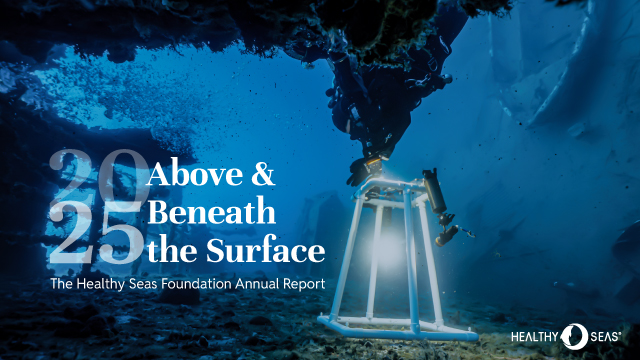

Looking Beneath the Surface: Inside Healthy Seas’ 2025 Annual Report
From clean-ups and education to science and prevention — a year of action, learning, and collaboration at sea
Every year, the Annual Report is a moment for pause. A moment to step back from daily operations, reflect on what has been achieved, and understand what has been learned along the way. For Healthy Seas Foundation, this reflection is an essential part of our work: it helps us remain grounded in experience while shaping what comes next.
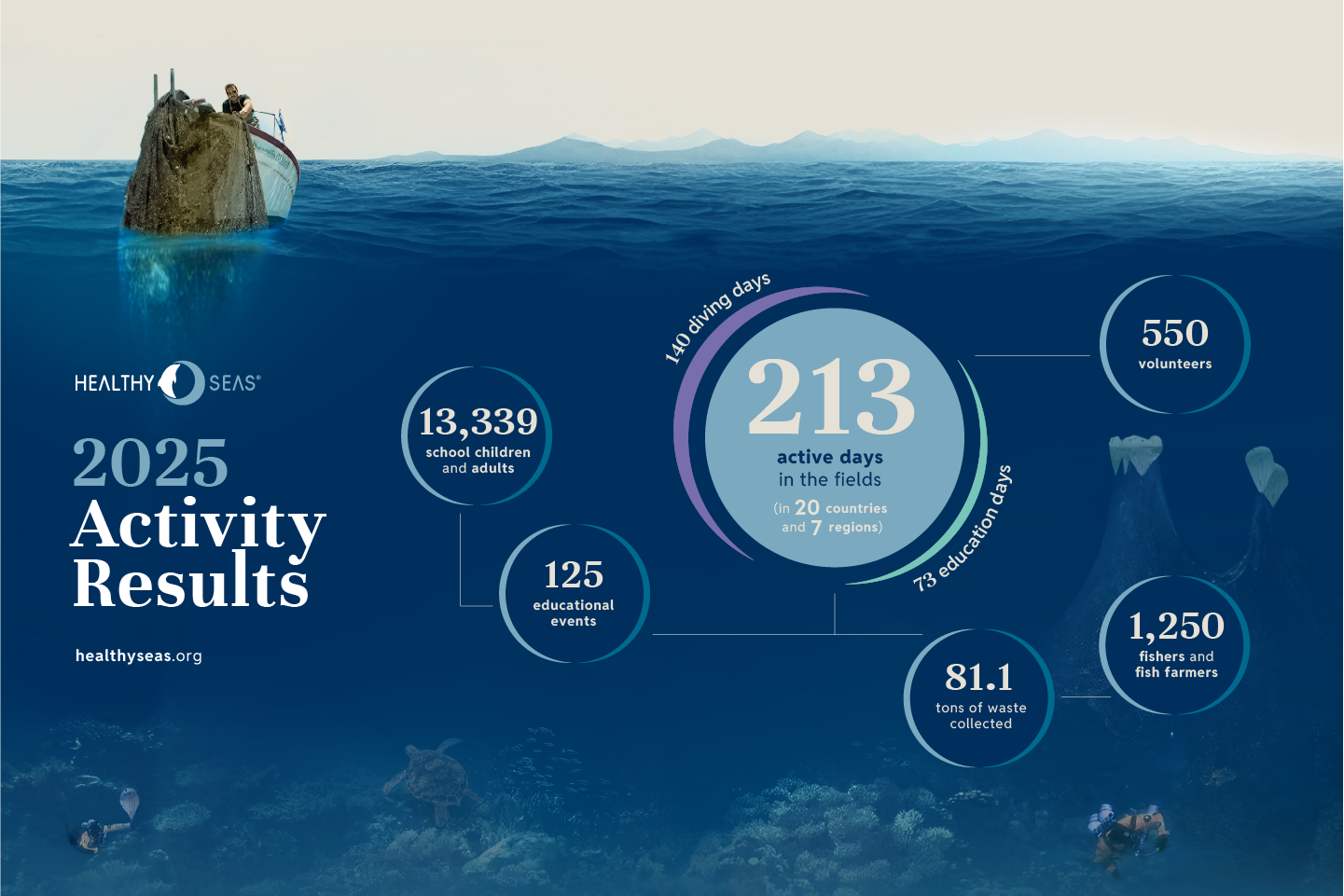
The 2025 Annual Report captures a year defined not by isolated projects, but by continuity, collaboration, and long-term engagement. It tells the story of how clean-ups, education, scientific observation, and prevention efforts come together — often across different countries, partners, and communities — to reduce pressure on marine ecosystems.
From Action to Understanding
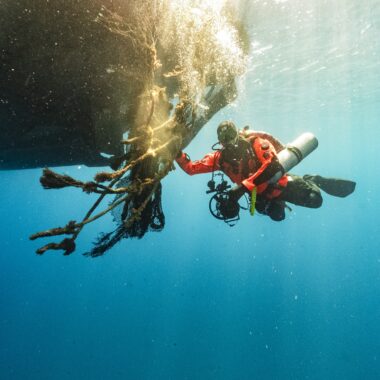
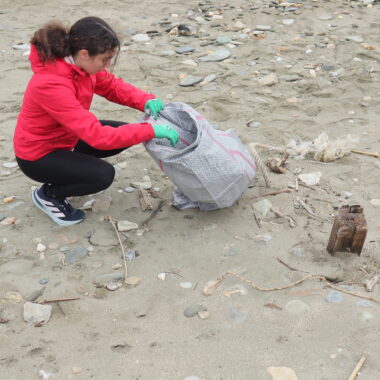
At the heart of the report are the clean-up activities carried out both underwater and on the surface. From abandoned fish farms in Greece to community initiatives in Ghana and operations in sensitive marine environments, these projects reflect the complexity of working at sea.
Rather than presenting clean-ups as isolated interventions, the report explores how repeated work in the same contexts has helped build operational experience and long-term understanding — particularly in relation to ghost nets and abandoned infrastructure.
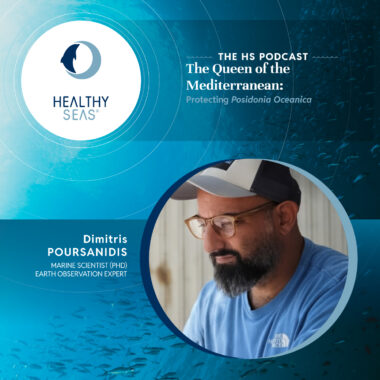
Alongside field activities, selected projects were accompanied by scientific observation, allowing biodiversity and environmental conditions to be documented over time. These studies, supported by visual explanations and illustrations, add depth to action and help inform future decisions.
Education Beyond the Classroom
Education remains a central pillar of Healthy Seas’ work, and the 2025 report highlights how learning increasingly grows out of real projects and real places.
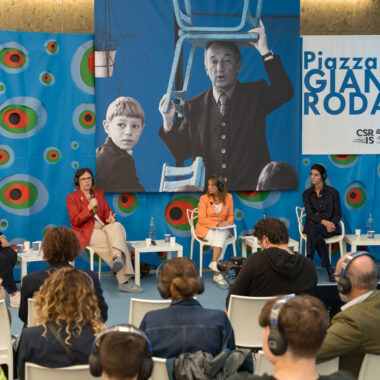
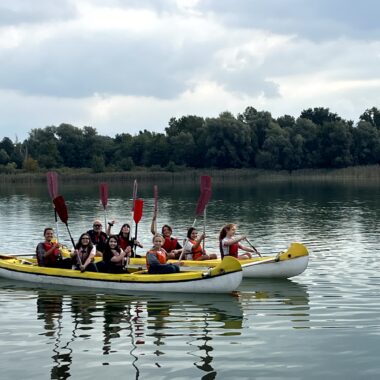
From university workshops on ghost farms and circular economy, to youth programmes with Scout organisations in the United States and Greece, education activities connect underwater experience with reflection, creativity, and systems thinking.
The report also revisits Deep Blue Legacy, showing how a major shipwreck clean-up expedition evolved into an education programme exploring history, biodiversity, and environmental responsibility — including the production of a short graphic novel used in schools.
Preventing Pollution at Its Source
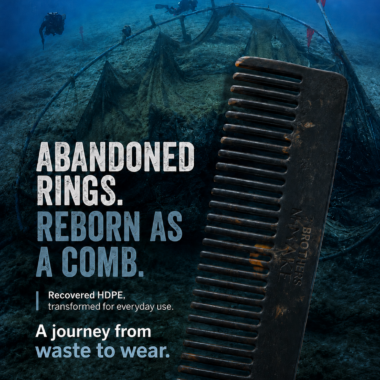
Prevention and circular pathways form the third core pillar of the Foundation’s work. The report documents ongoing collaboration with recyclers, manufacturers, and reuse partners to ensure that recovered materials are responsibly managed and reintroduced into production cycles where possible.
While progress in prevention is often gradual, these efforts remain essential for reducing future marine pollution and supporting long-term solutions.
Working Through Collaboration
Throughout the report, partnerships are presented not as sponsorships, but as long-term working relationships developed around shared challenges.
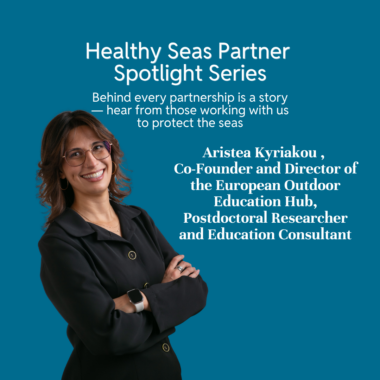
From local diving teams and educators to international partners and institutions, collaboration remains central to how Healthy Seas operates — combining international reach with local knowledge and experience.
Looking Ahead
The final section of the report looks toward 2026, with a continued focus on effectiveness rather than expansion for its own sake. Priorities include further work on ghost farms, deeper integration of science and education, and carefully developed activities in parts of Asia and the Eastern Mediterranean where marine litter remains a challenge.
Rather than setting abstract targets, the Foundation’s approach remains grounded in learning, collaboration, and operational reality.
Read the Full Report
The 2025 Annual Report offers a detailed look at how marine conservation work unfolds in practice — across environments, disciplines, and communities.
It is an invitation to explore the work beneath the surface: the people, partnerships, and processes that make long-term ocean protection possible.