
When a Fish Farm Cage Starts to Drift
A recent incident in Greece shows how abandoned aquaculture infrastructure can become a real risk at sea
Aquaculture structures are designed to stay in place. But what happens when they don’t?
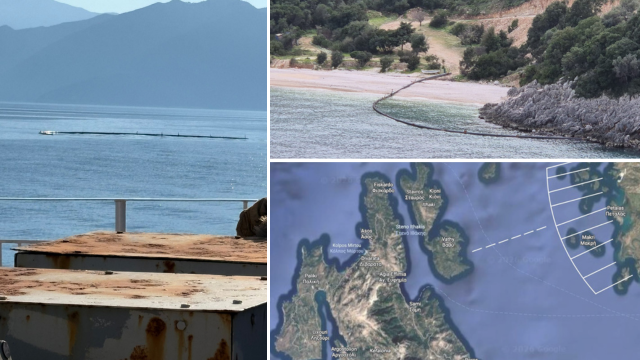
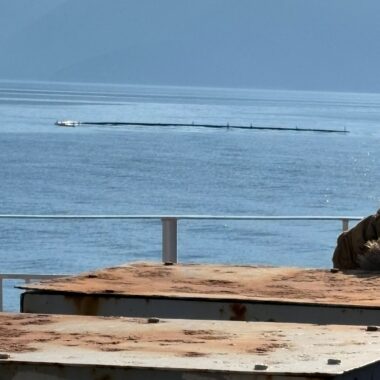
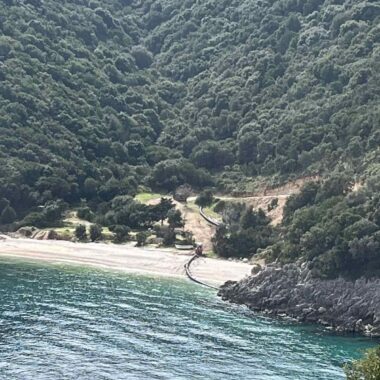
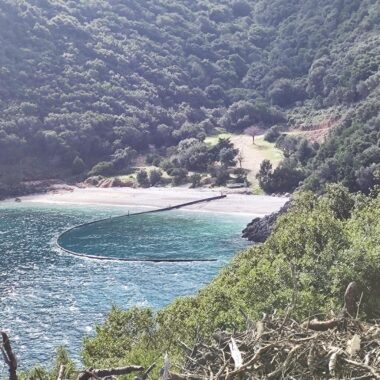
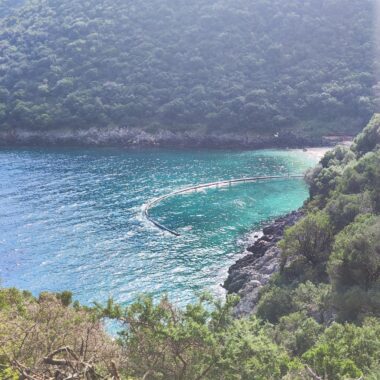
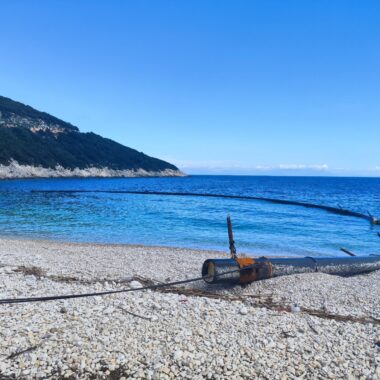
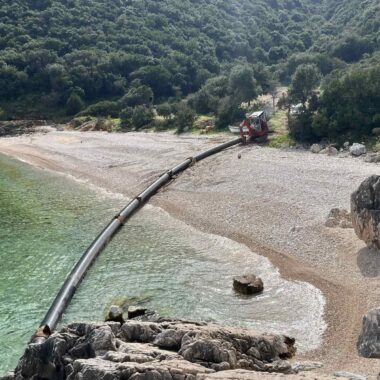
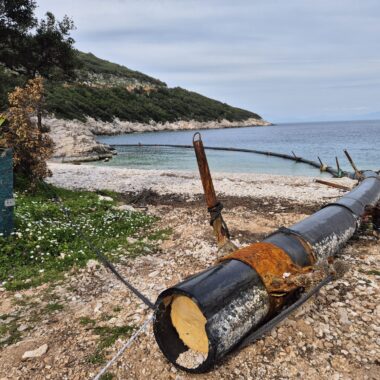
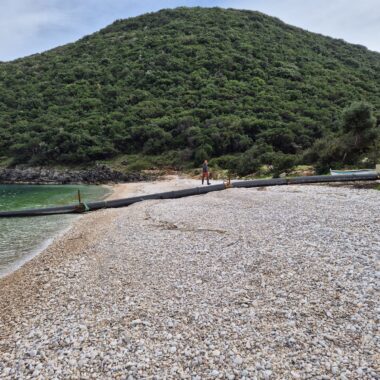
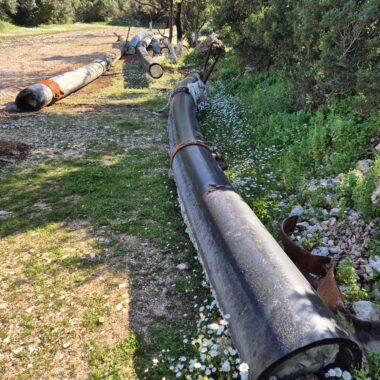
At the end of February, a large fish farm cage appeared in a ferry shipping lane near the Greek island of Ithaca. Floating freely, it posed a potential hazard to maritime traffic before being towed ashore by the Coast Guard. The structure did not originate from the area. Based on previous field surveys, it may have travelled across part of the Ionian Sea after breaking loose from aquaculture infrastructure elsewhere. It is a simple image, but a powerful one: a structure built for one place, drifting into another.
They don’t disappear, they drift
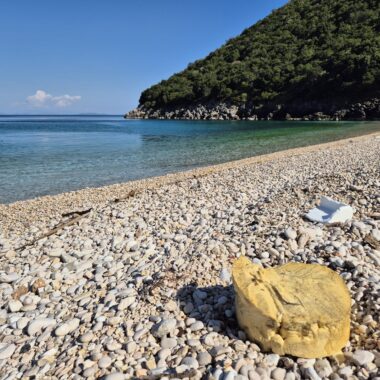
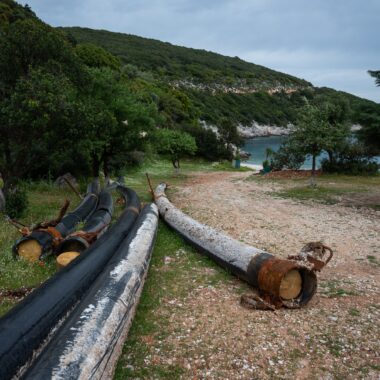
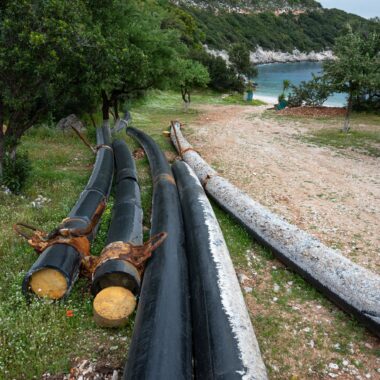
When aquaculture sites are properly managed, infrastructure is maintained, monitored, and eventually removed. But when sites are abandoned or left inactive without proper decommissioning, structures can remain at sea for years. Over time, materials weaken. Anchoring systems fail. Weather conditions take their toll. And eventually, parts of these installations break free. When they do, they don’t disappear.They drift — sometimes for long distances, carried by currents, winds, and time.
A risk that is easy to overlook
The environmental impact of abandoned aquaculture infrastructure is well known: marine litter, plastic pollution, and damage to marine habitats. Less visible, but equally important, is the risk to maritime safety. Floating cages and rings can become hazards for:
- ferries and passenger vessels
- fishing boats
- recreational navigation
In regions like Greece, where maritime traffic is dense and seasonal peaks are significant, even a single drifting structure can have consequences.
When responsibility becomes unclear
One of the key challenges behind these incidents is not technical, but structural. In several cases documented by Healthy Seas, aquaculture sites appear inactive in practice but still operational on paper. When this happens, responsibility for infrastructure can become unclear. Who is responsible for removing a cage that has been left behind? Who intervenes when it becomes a hazard? Often, there is no immediate answer. And when no one is clearly responsible, action is delayed — sometimes until the problem becomes visible.
A visible signal of a wider issue
The drifting cage near Ithaca is not an isolated anomaly. It is a visible signal of a broader pattern: aquaculture infrastructure that is not properly decommissioned can persist in the marine environment — and eventually move beyond it. What begins as a local issue can quickly become a regional one.
From reaction to prevention
Addressing these cases after they occur is complex, time-consuming, and often dependent on coordination between multiple actors. But the real solution lies earlier. Clear responsibility, proper monitoring of inactive sites, and effective decommissioning processes are essential to prevent infrastructure from becoming marine litter — or navigation hazards. Because once structures break free, control is lost.
Looking ahead
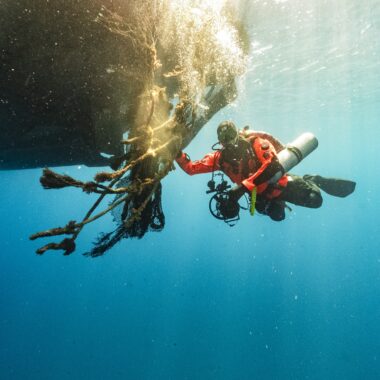
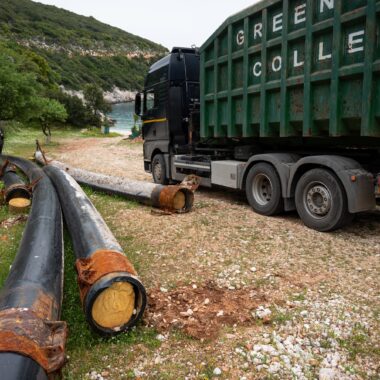
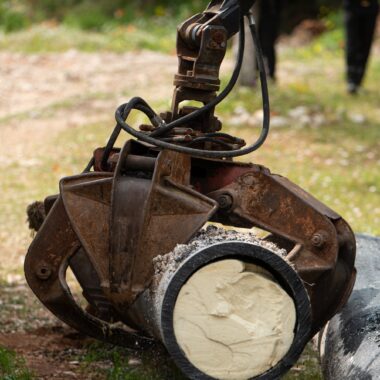
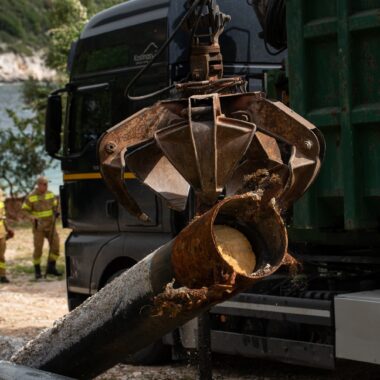
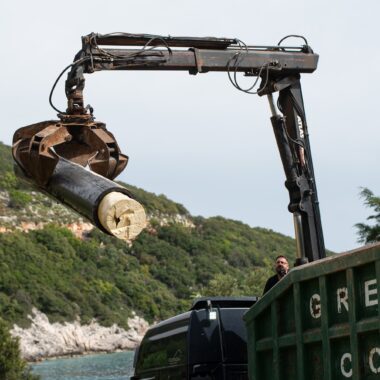
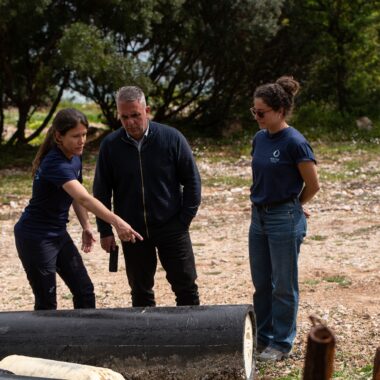
Healthy Seas worked with local authorities to support the removal of the ring on the 16th of April (7.7 tons of weight). At the same time, efforts continue to address the broader issue of abandoned aquaculture infrastructure — from identifying inactive sites to advocating for preventive solutions. Once again, this quick action was supported by Healthy Seas’ partner Hyundai, who supported all clean ups of abandoned fish farms in the last years.
Closing Call to Action
When infrastructure designed to stay in place begins to drift, it reveals more than a single failure — it reveals a systemic gap.
Learn more about the ghost farms issue and why prevention is key: https://www.healthyseas.org/knowledge/ghost-farms-problem
In the media
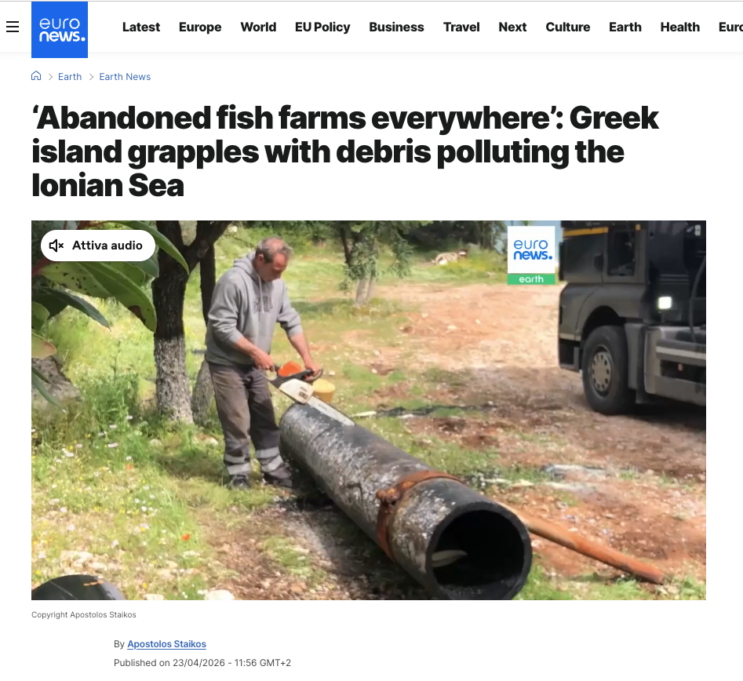
Euronews
Abandoned fish farms everywhere’: Greek island grapples with debris polluting the Ionian Sea
At the end of February, a huge, black, plastic object appeared in the Ionian Sea, near the Greek island of Ithaca. It left passers-by and winter swimmers flummoxed – but fishermen and maritime transport professionals knew immediately what it was. They’re no strangers to the remains of fish farms contaminating the seabed. Only in this case, the debris threatened the safety of boats and ships operating in the area. Especially at night, a collision with the large pipe-like object – a cage from an abandoned fish farm – could cause serious harm…