
Plankton: The Invisible Foundation of Life on Earth
What is plankton, why is it important, and how does it shape our climate and future?
Before forests, before animals, before humans there was plankton.
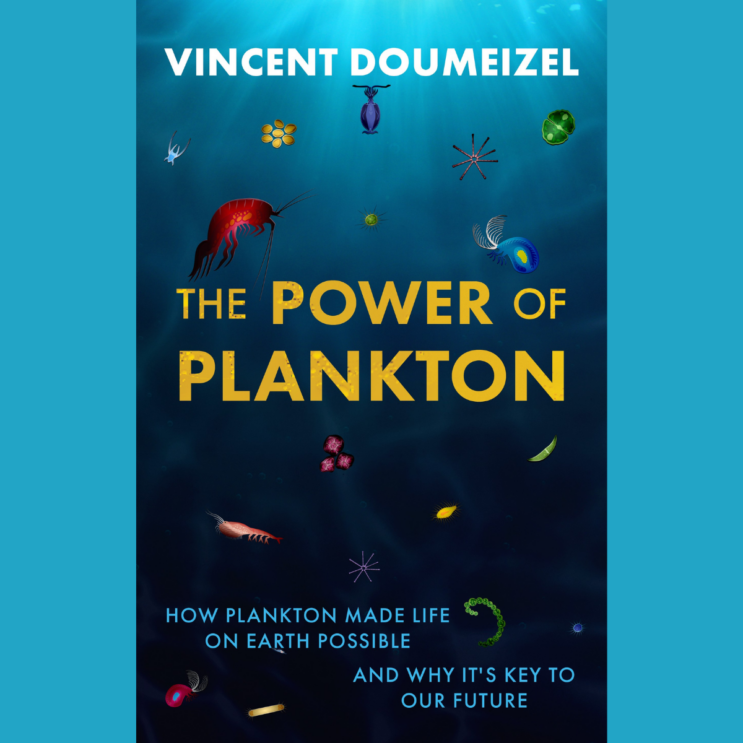
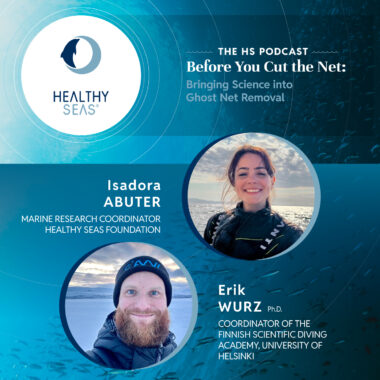
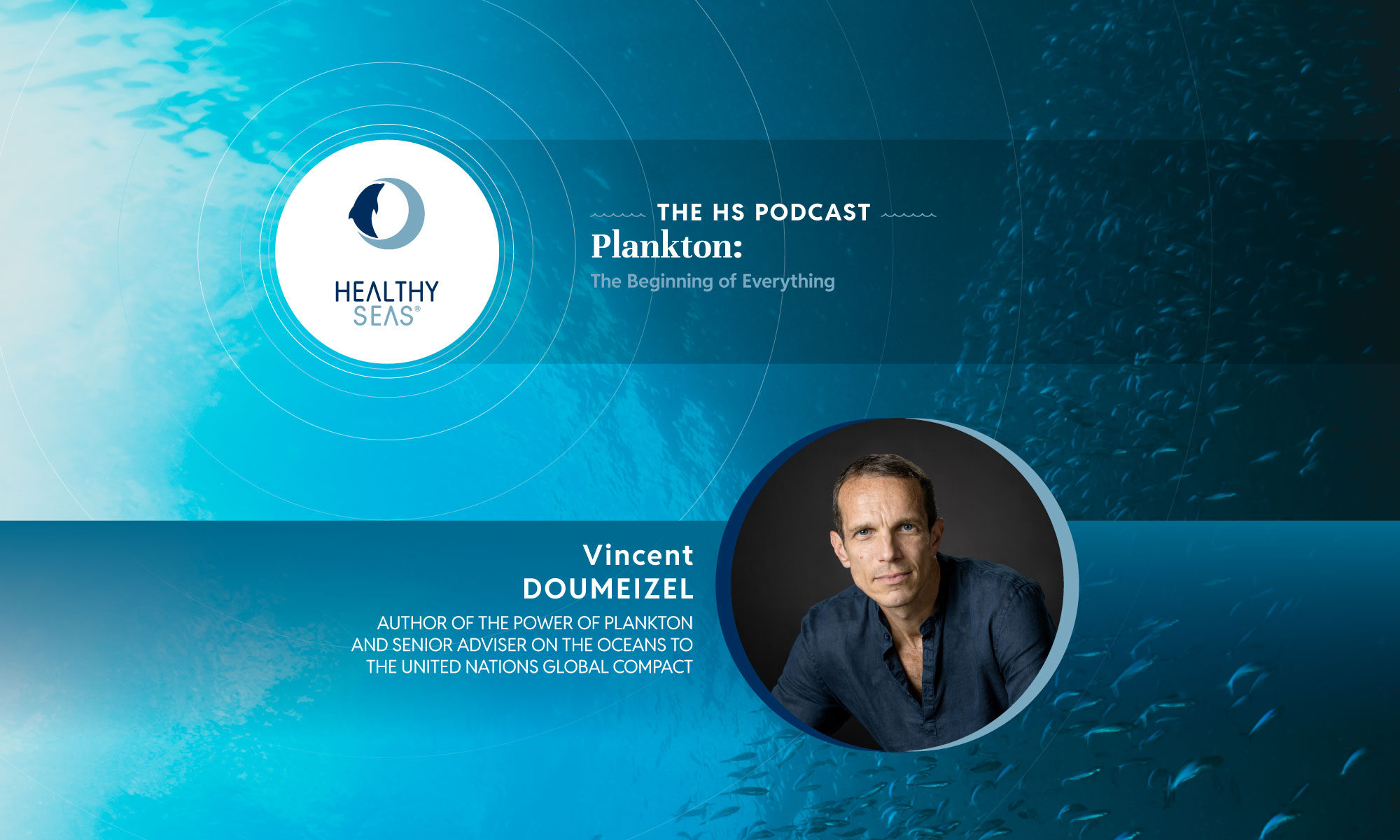
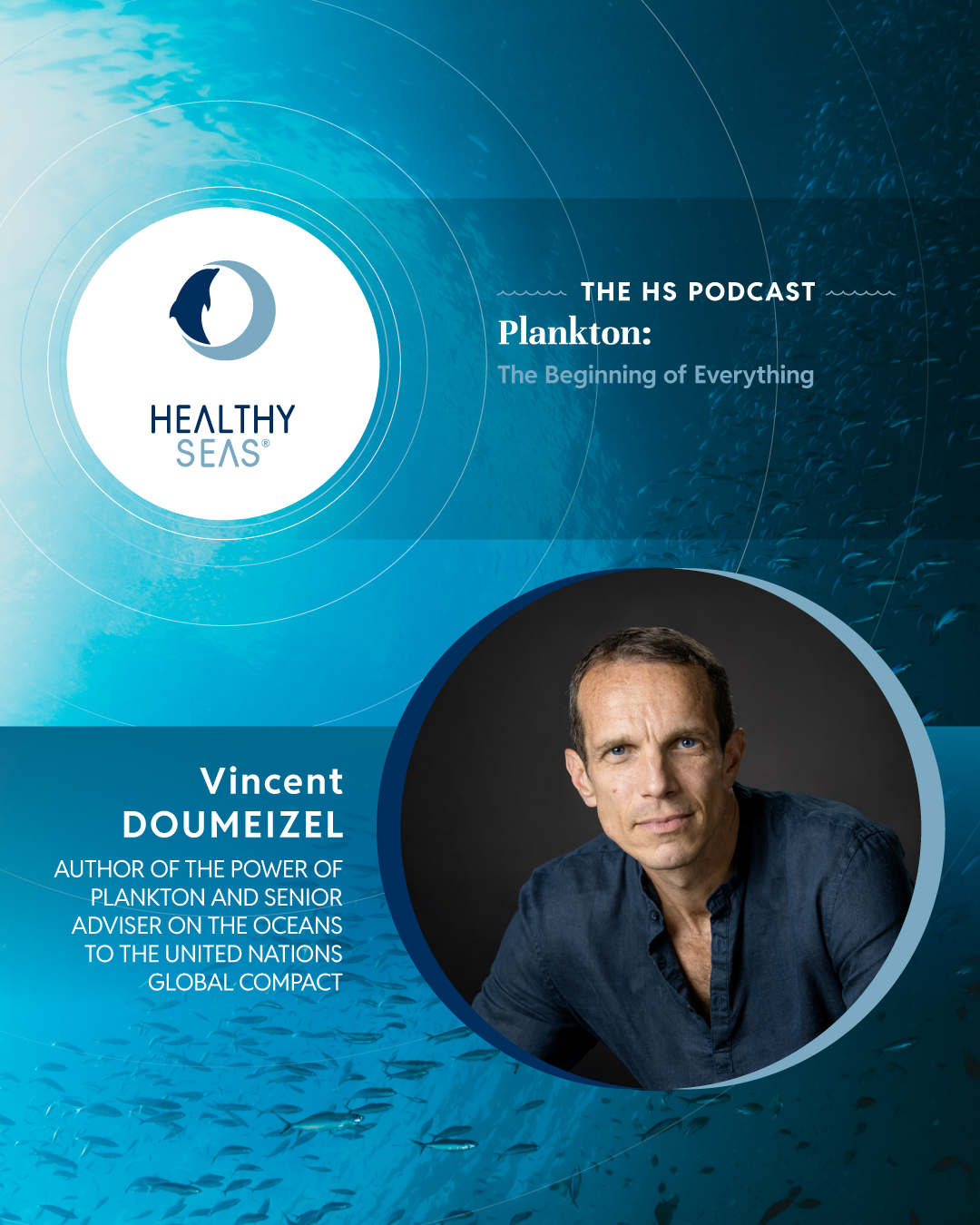
In this episode of the Healthy Seas Podcast, we speak with ocean advocate and author Vincent Doumeizel, whose upcoming book The Power of Plankton explores one of the most overlooked yet fundamental components of life on our planet.
Plankton is often described as the “invisible” part of the ocean. But as Vincent reminds us, it is not just part of the story of life, it is the story.
A planet shaped by the smallest forms of life
Plankton is not a single organism, but a vast and diverse community of life forms ranging from microscopic algae and bacteria to larvae and even some animals like jellyfish that drift with ocean currents.
For over 3.5 billion years, plankton dominated life on Earth. In that time, it fundamentally transformed the planet. It was plankton that first developed photosynthesis, releasing oxygen into the atmosphere. It was plankton that created the carbon cycle, the water cycle, and the conditions that made complex life possible. Quite simply, without plankton, there would be no breathable air, no stable climate, and no ecosystems as we know them.
The invisible engine of biodiversity
When we think about ocean conservation, we often focus on what we can see: coral reefs, marine animals, seagrass meadows. But all of these systems depend on plankton.
As Vincent explains, plankton sits at the base of the entire marine food web. It regulates nutrients, supports fish populations, and drives the biological processes that sustain biodiversity across the ocean and, by extension, across the planet.
This is where the connection to the Healthy Seas Foundation becomes clear. While our work focuses on removing marine litter, ghost nets, and other debris from the ocean, the ultimate goal is to protect the ecosystems that lie beneath. And those ecosystems depend on something far smaller and less visible: the balance of plankton communities. If we think of ocean conservation as restoring a house, plankton is the foundation. And without a stable foundation, nothing above it can stand.
A system under pressure
Plankton is resilient but it is not immune. Rising temperatures, ocean acidification, and pollution are already changing the composition of plankton communities. Species that help regulate climate, such as those that capture and store carbon, are being replaced in some areas by species that thrive in warmer, more polluted conditions.
This shift may seem invisible, but its consequences are not. Because plankton drives the carbon cycle, changes at this level can accelerate climate change. Because it supports marine food chains, disruptions can cascade through entire ecosystems. In other words, the smallest organisms can have the largest impact.
From understanding to solutions
Despite its importance, plankton remains one of the least understood parts of our planet. But this is beginning to change. Advances in DNA sequencing, satellite observation, and artificial intelligence are opening new windows into this microscopic world. In the past decade alone, scientists have discovered millions of new genes and vastly expanded our understanding of ocean life. And with this understanding comes potential.
Plankton could play a role in future solutions, from carbon capture to bioremediation, from new materials to new sources of food. But as Vincent emphasizes, the first step is not exploitation, it is understanding.
Starting from the foundation
At Healthy Seas, we often say that ocean conservation is about more than removing waste, it is about restoring balance. This episode reminds us that balance starts at the smallest scale. Protecting plankton does not mean “saving” it, it will continue to exist in one form or another. The real question is whether we can maintain the conditions that allow plankton to support life as we know it. Because in the end, as Vincent puts it, we may not need to save plankton. Plankton may be what saves us.
🎧 Listen to the episode
The book
THE POWER OF PLANKTON
From the bestselling author of The Seaweed Revolution, The Power of Plankton highlights one of the greatest blind spots in ocean science and policy: the near absence of plankton from global conversations on the blue economy, biodiversity, and climate action. Vincent Doumeizel explores why these essential yet invisible ecosystems have been overlooked—despite their central role in planetary balance—and makes a compelling case for bringing plankton into research, innovation, and decision-making. Blending science with unexpected stories and real-world examples, the book outlines both the opportunities and challenges of unlocking plankton’s potential, calling for a more coordinated global effort to understand and protect what may be the most fundamental system sustaining life on Earth.