
Remaking Our World: A Journey Through the Past and Future of Plastic
From early inventions to ocean cleanups and circular design, this exhibition in Korea retraced plastic’s complex legacy—and the innovations driving its reinvention.
It begins with a paradox
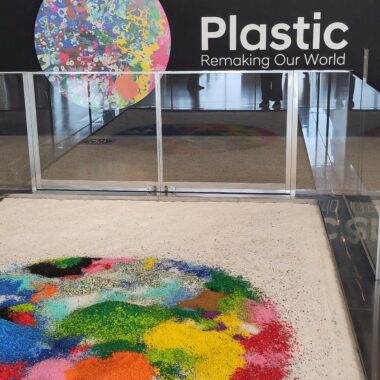
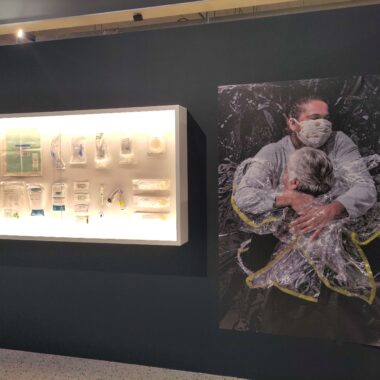
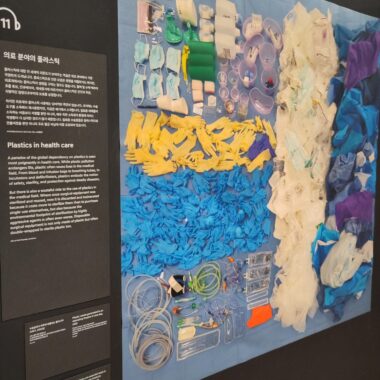
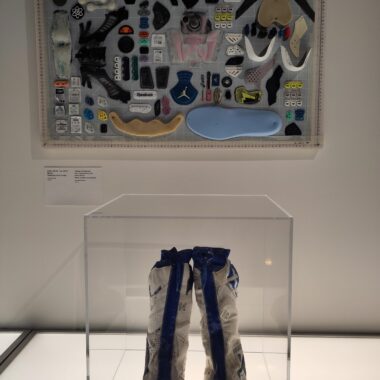
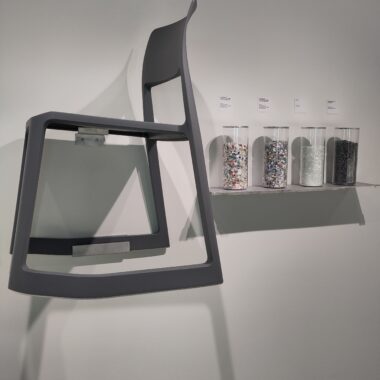
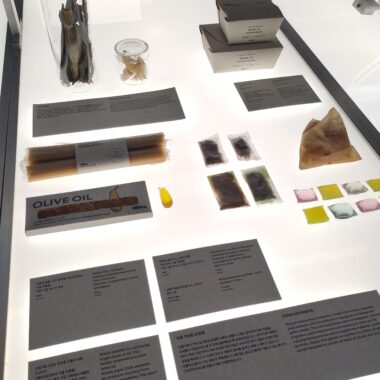
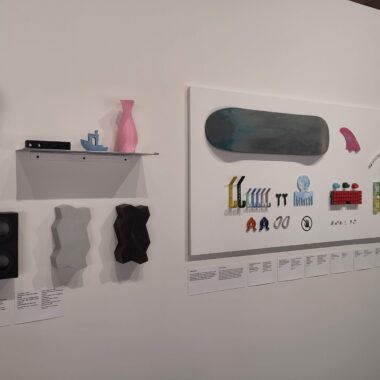
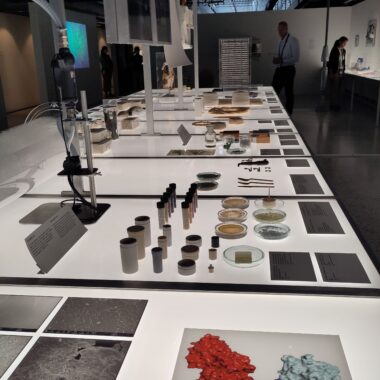
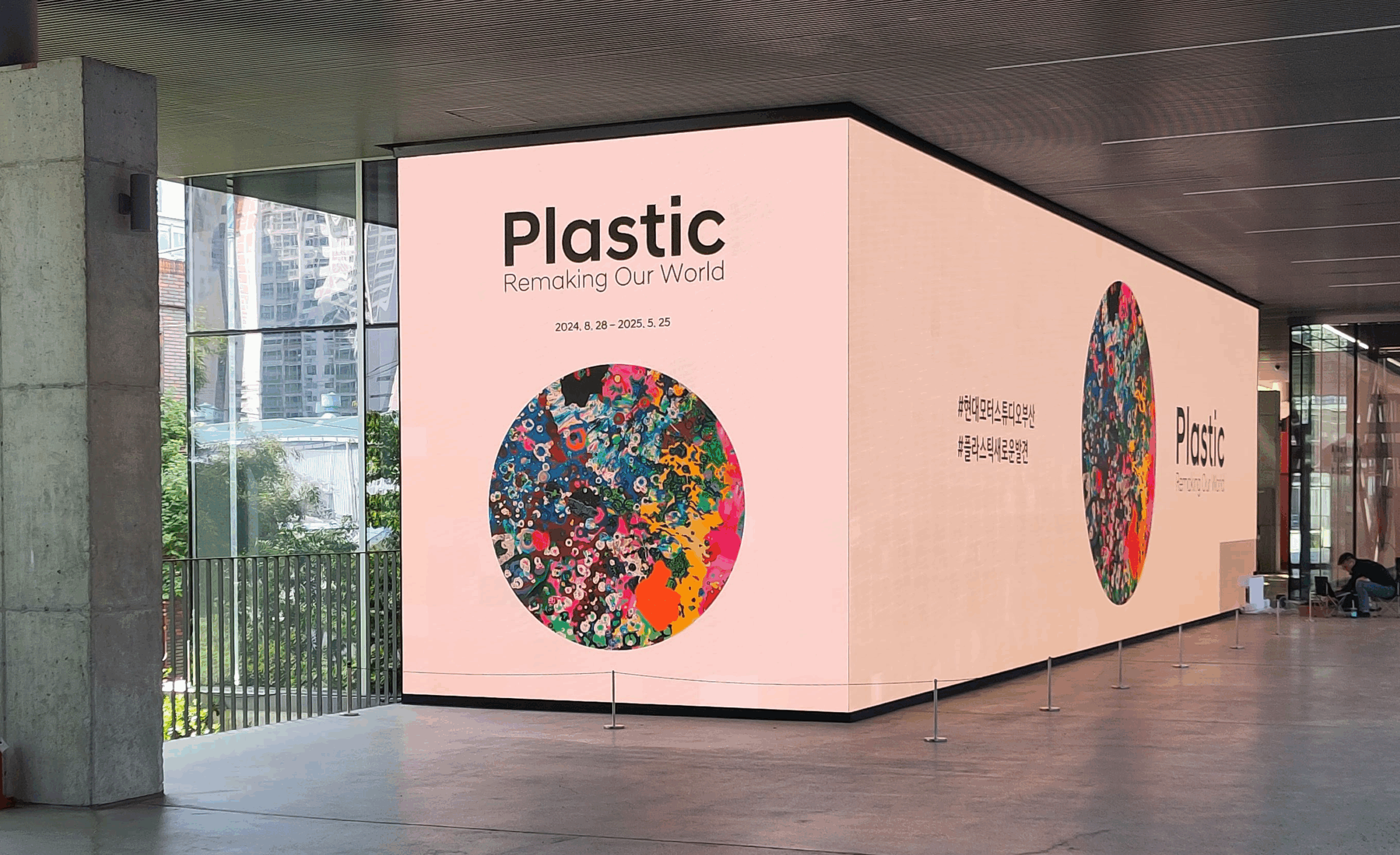
Plastic, the material that promised freedom, innovation, and modern living, has become a defining symbol of planetary crisis. From the depths of the ocean to the design of our homes, plastic is everywhere—simultaneously life-saving and life-threatening. At the Plastic: Remaking Our World exhibition in Busan, South Korea, curated in collaboration with the Vitra Design Museum, Hyundai Motorstudio invites us to confront this contradiction head-on. The result is not just a history lesson but a provocative call to reimagine our relationship with materials, production, and responsibility.
From Miracle to Menace: A History of Plastic
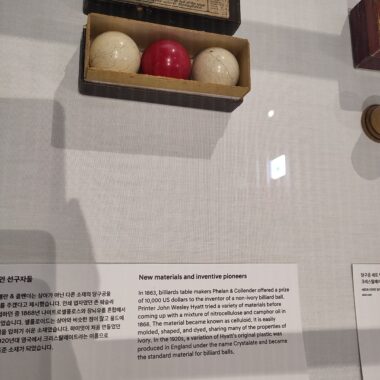
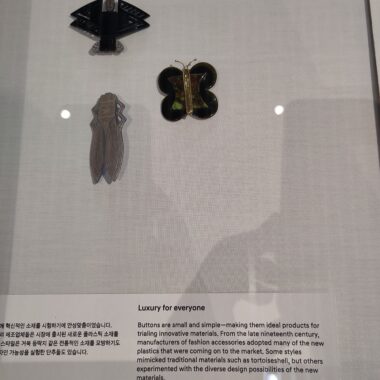
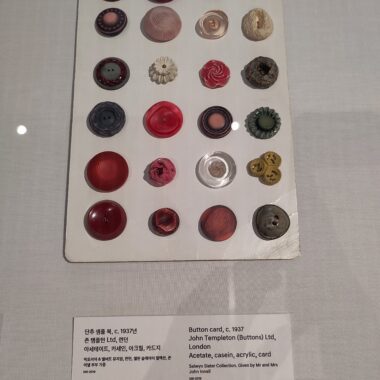
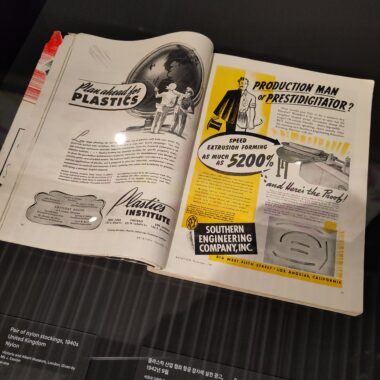
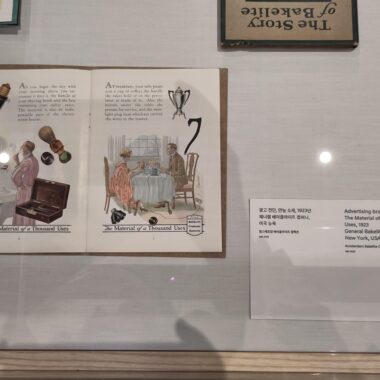
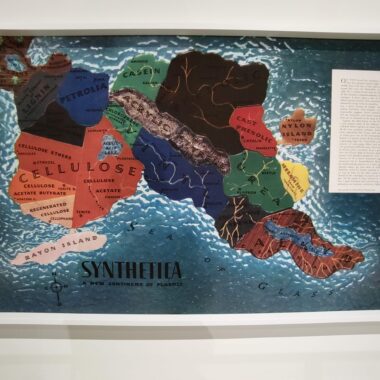
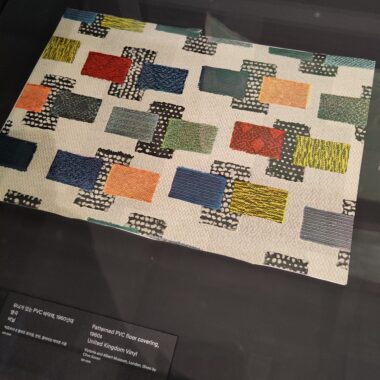
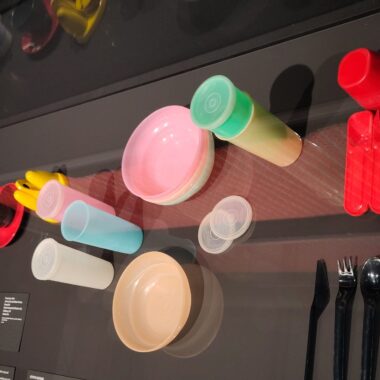
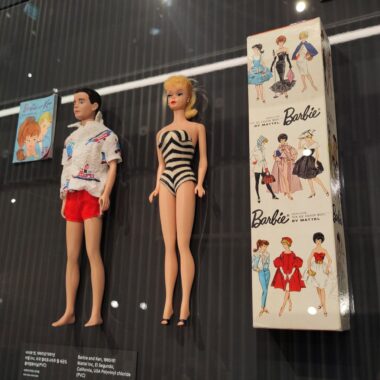
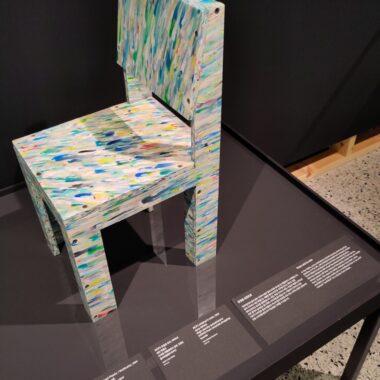
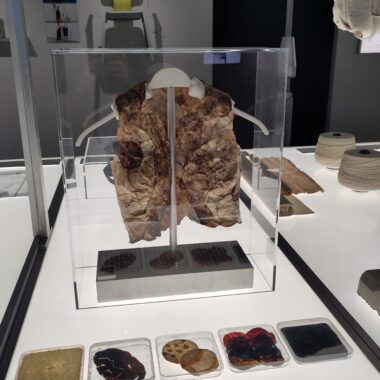
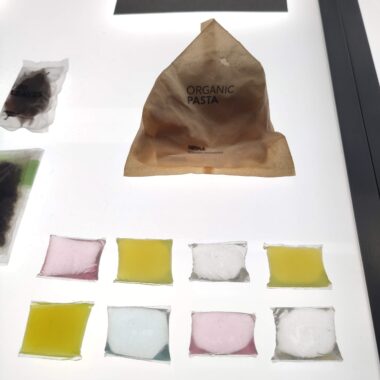
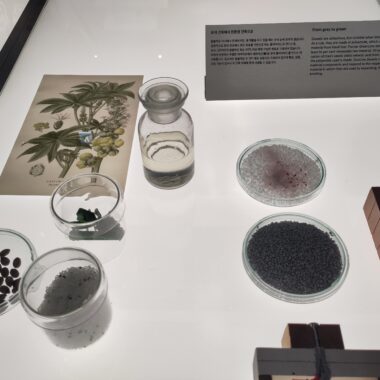
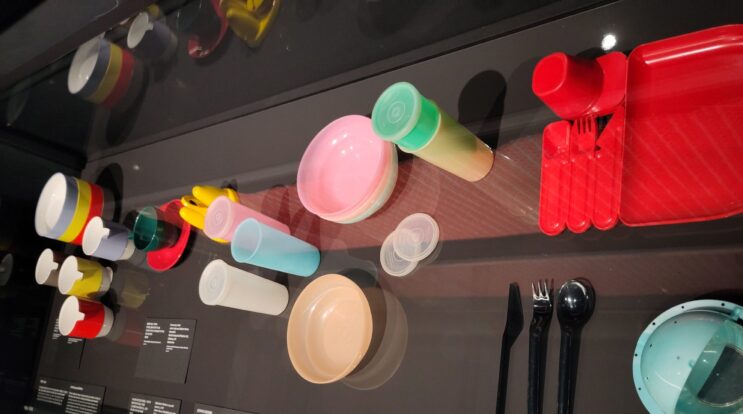
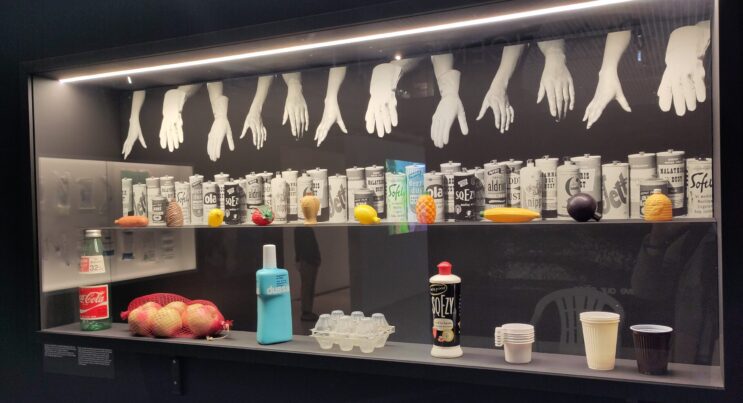
The exhibition unfolds like a time capsule—starting with the origins of plastics made to substitute natural materials like tortoiseshell, horn, and rubber, and then moving into the industrial era of synthetic inventions. The optimism of the early plastic age is palpable: versatility, affordability, and a promise of democratized design.
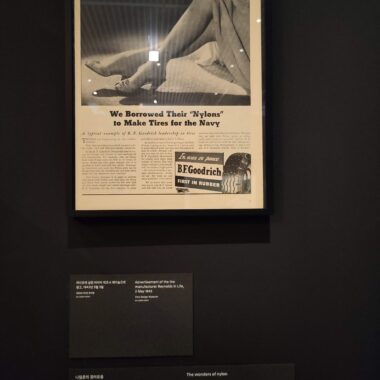
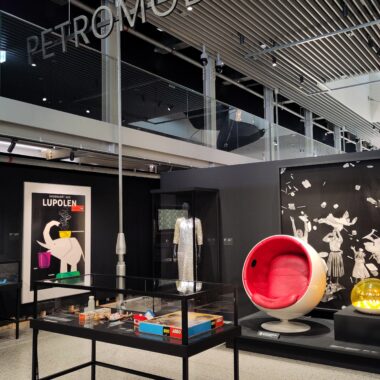
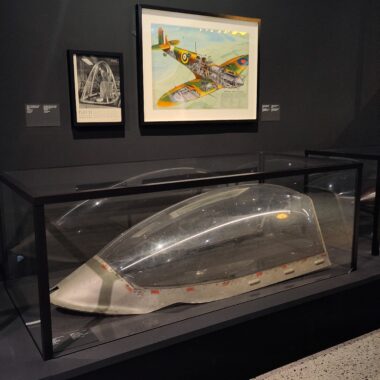
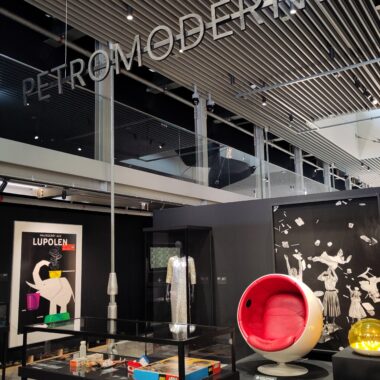
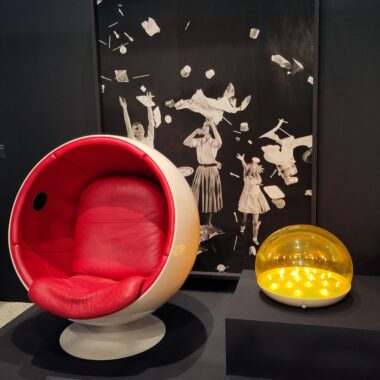
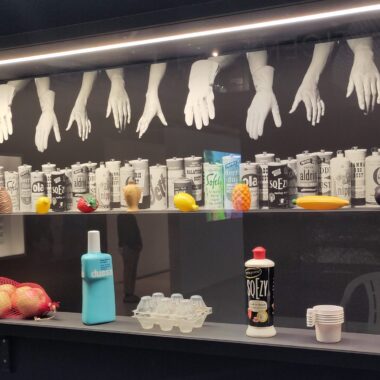
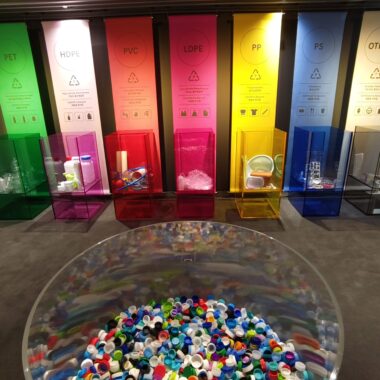
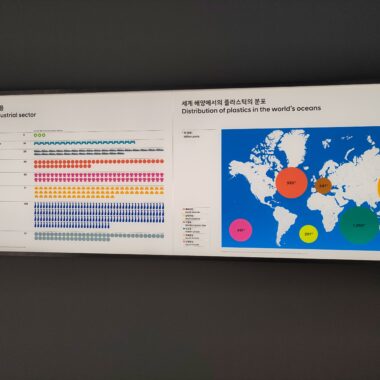
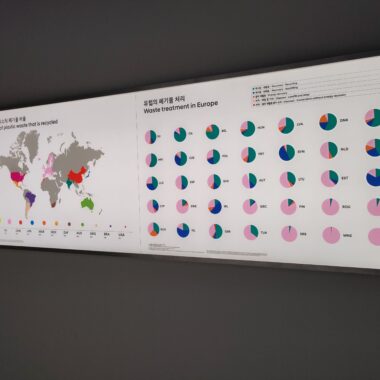
But as we reach the Petromodernity and Plasticene sections, the tone shifts. The post-war explosion of mass-produced, fossil-fuel-based plastics helped build the modern world—and polluted it. Today, more than 8.3 billion tons of plastic have been produced, but only around 9% has ever been recycled.
The Turning Point: Ecological Awakening and the Rise of Solutions
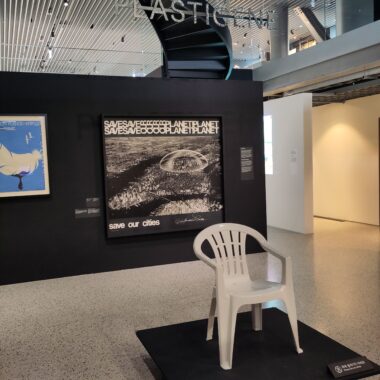
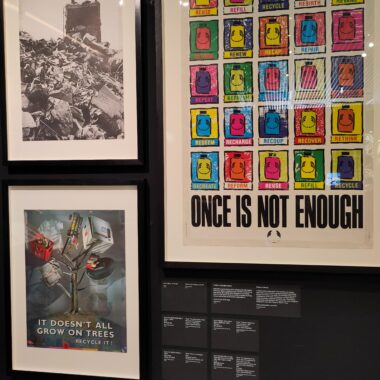
In a section titled Ecological Awakening, the exhibition traces the environmental consciousness that emerged in the late 1960s. From the first Earth Day to the founding of Greenpeace, this period marked a shift in awareness, echoed now by a new generation of designers and innovators.
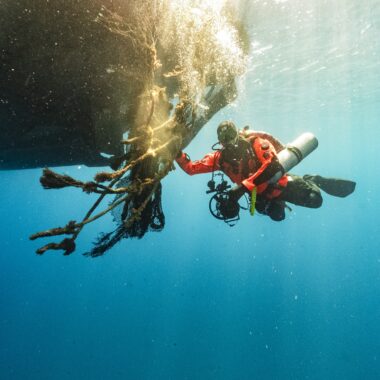
It is here that the exhibition’s voice becomes most aligned with the mission of Healthy Seas. We too believe that confronting the plastic crisis means going upstream—both literally and metaphorically. Panels such as Cleaning up the rivers and oceans stress that stopping plastic pollution before it enters marine ecosystems is critical, a belief at the heart of our work recovering fishing nets and ghost gear before they fragment into microplastics but also preventing them from ending up in nature in the first place by working with the industry.
Hyundai’s Role: Circular Materials for a Circular Future
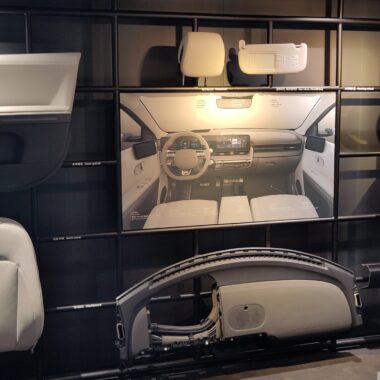
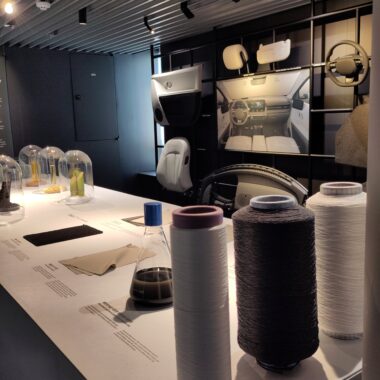
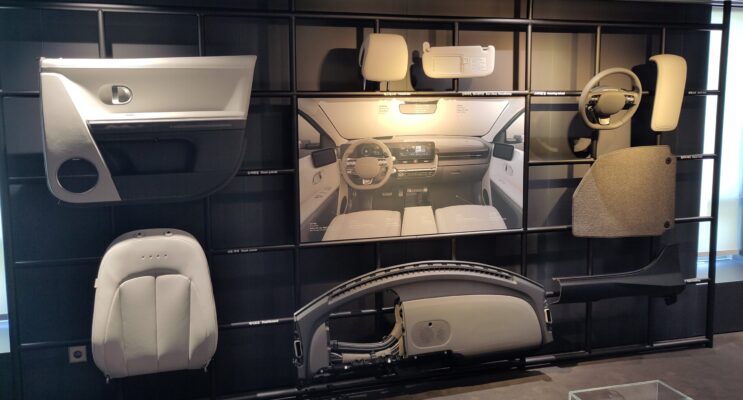
What sets this exhibition apart is its ambition not just to educate, but to showcase action—and Hyundai’s role is central. Through their IONIQ lineup and various mobility innovations, Hyundai is boldly experimenting with circular materials.
Some highlights from the exhibition:
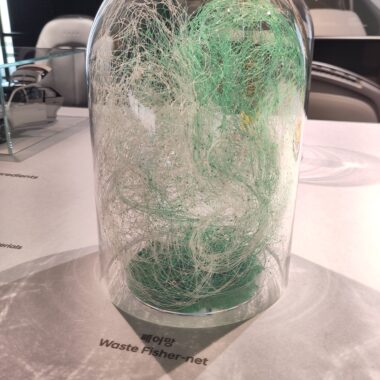
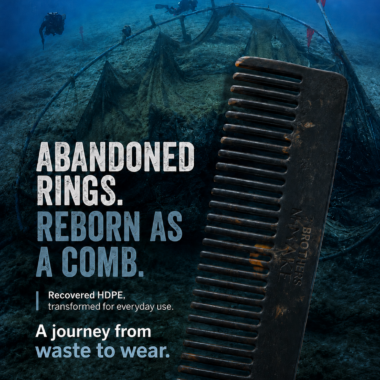
- Car mats made from recycled fishing nets and other nylon waste, in partnership with Aquafil and Healthy Seas.
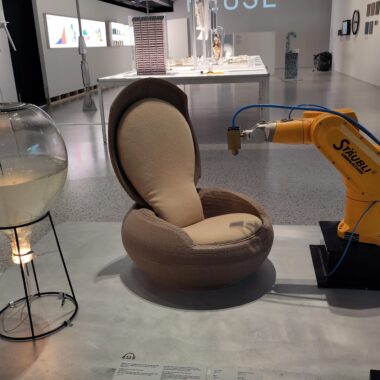
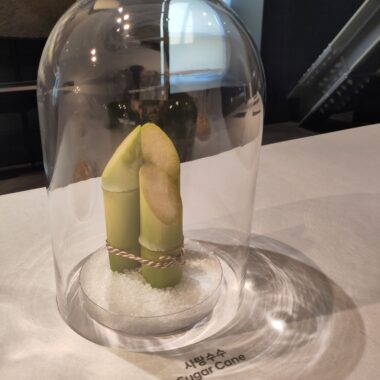
- Seats and interiors incorporating discarded plastic and organic bio-based materials.
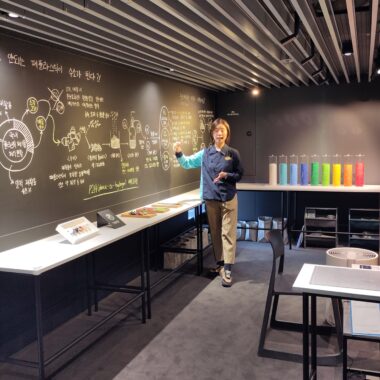
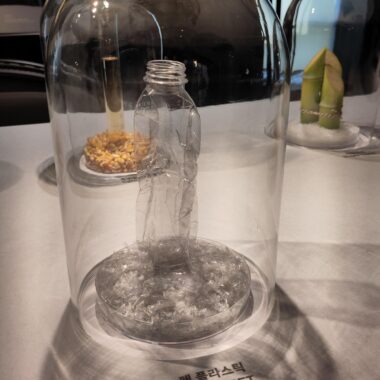
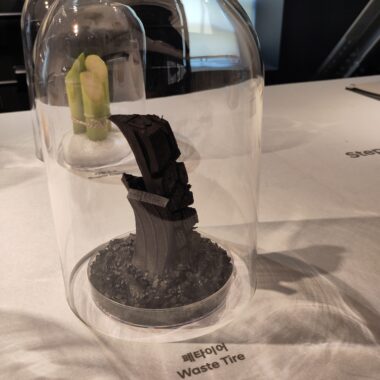
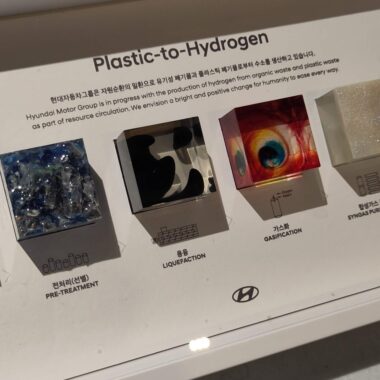
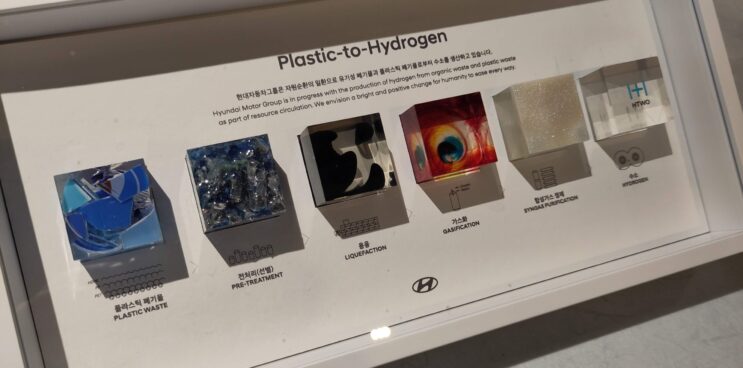
- The P2H (Plastic-to-Hydrogen) process, which transforms unrecyclable plastics into energy—showing a promising route for tackling end-of-life waste.
This isn’t about token gestures. It’s a systems approach to rethink not only materials, but manufacturing, product design, and energy. It’s also a vivid example of how a business can leverage partnerships across sectors—nonprofits, recyclers, designers, scientists—to accelerate real-world change.
Re-, Reduce, Rethink
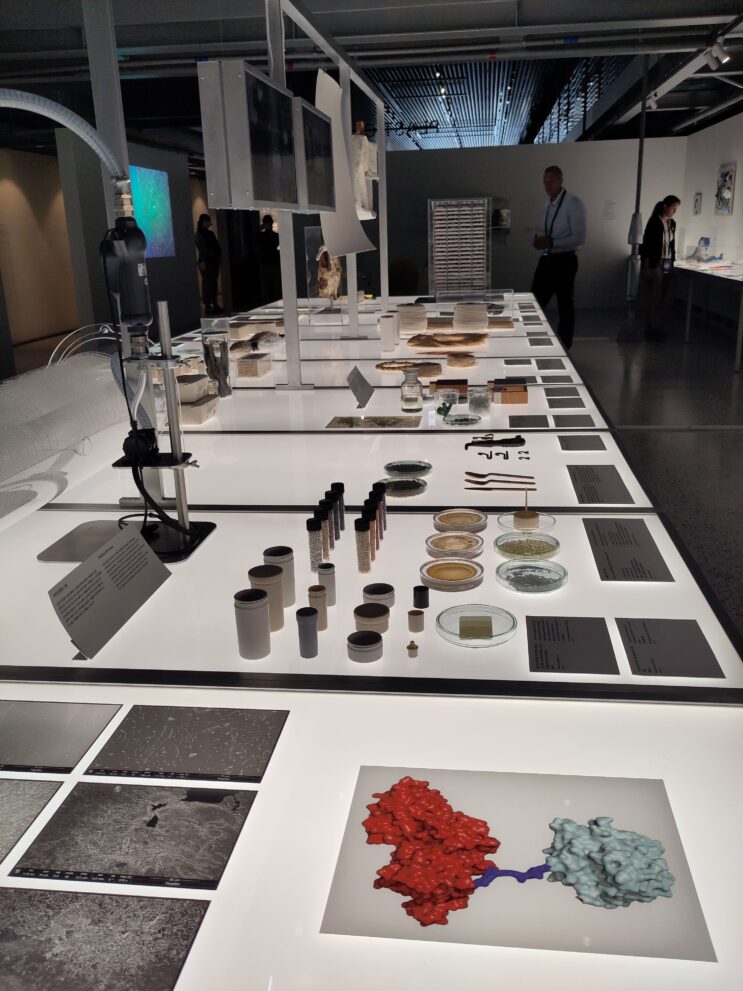
The final section, simply titled Re- urges visitors to rethink their assumptions about plastic. From scientists to lawmakers, from consumers to designers, the message is clear: there is no single solution—but many small, interconnected ones.
This resonates deeply with our philosophy at Healthy Seas. Whether it’s community cleanups, school education, or innovative textile recycling, we know that change happens through collaboration, creativity, and courage.
A Shared Mission
The exhibition in Busan ends not with despair, but with momentum. It challenges us to see design not as decoration, but as a tool for transformation. It invites brands and institutions to be bolder in their sustainability journeys—not only because it’s the right thing to do, but because the public increasingly expects it.
At Healthy Seas, we are proud to be part of this shift. Through our partnership with Hyundai and Aquafil, we are turning ghost nets into circular stories. And through exhibitions like this one, we’re reminded that the future isn’t written in plastic—it’s being redesigned.