
Protecting the Seas with Gamomat’s Support – The Perseus Shipwreck
The Ocean’s Hidden Heritage
The ocean is more than just a vast body of water; it is home to vibrant ecosystems, a rich history, and irreplaceable biodiversity. Thanks to the generous support of GAMOMAT Distribution GmbH, we were able to protect this precious habitat—an invaluable underwater heritage site and ecosystem in the Mediterranean.
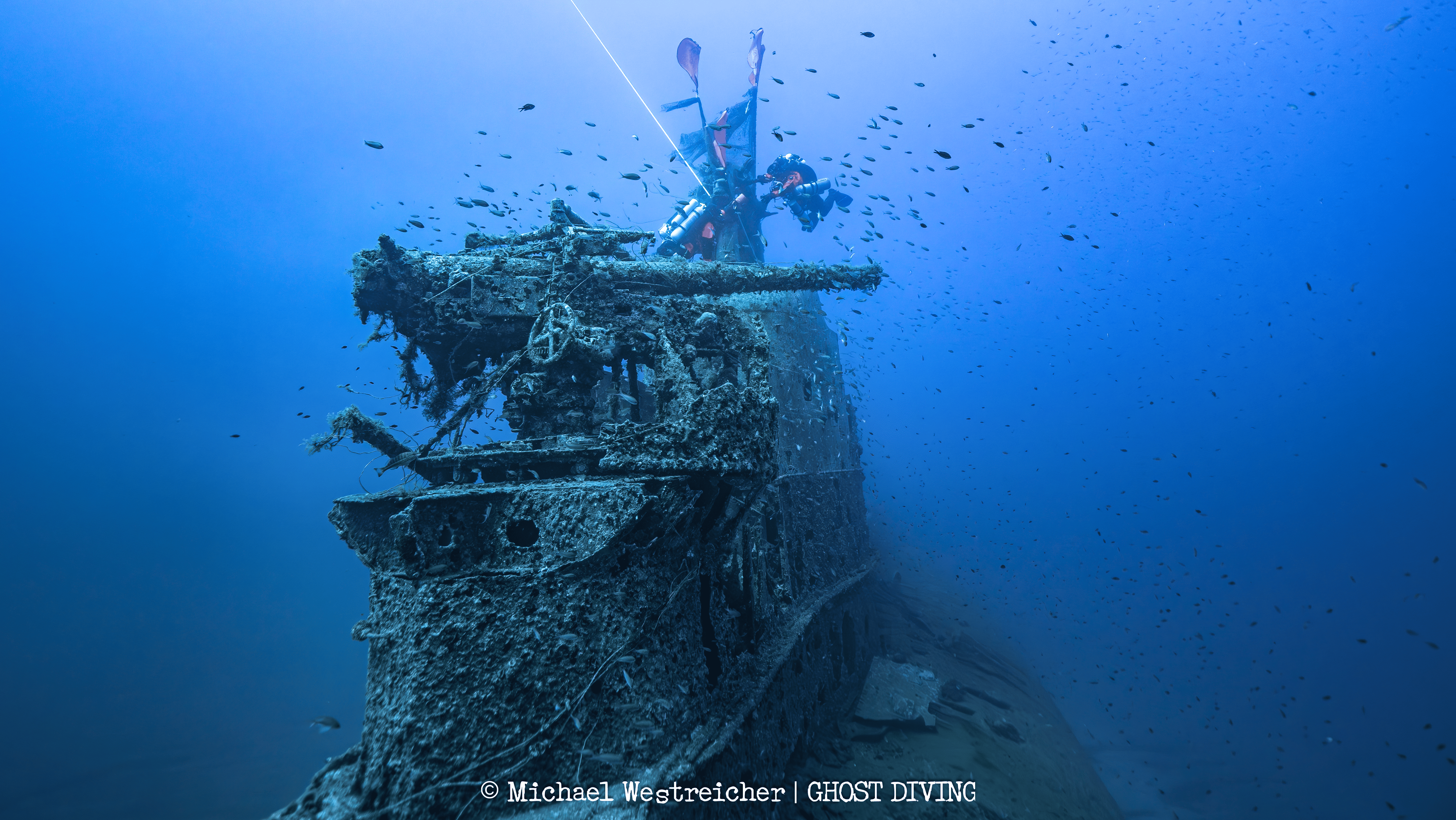
HMS Perseus: A Legacy Beneath the Waves
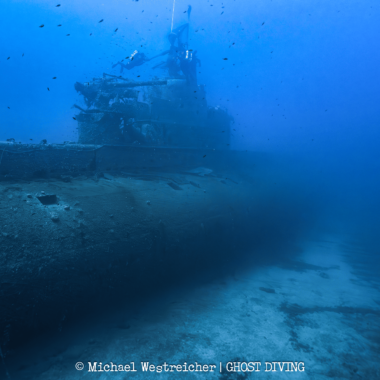
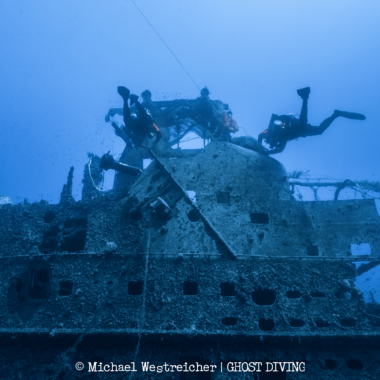
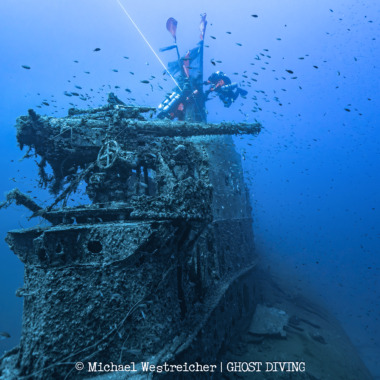
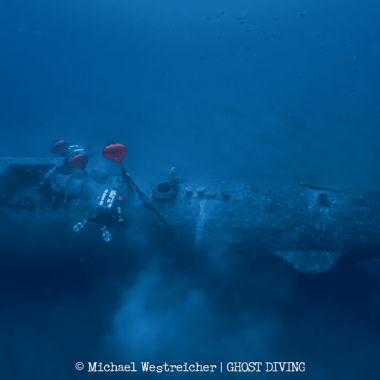
HMS Perseus, a British submarine built in 1929, was one of Britain’s most advanced vessels, equipped with state-of-the-art Mark VIII torpedoes. During WWII, she embarked on a mission to deliver critical supplies to Malta but tragically struck an Italian mine near Cephalonia on December 6, 1941. Now resting on the seabed, the Perseus serves as a rare historical glimpse into naval history and supports a thriving marine habitat.
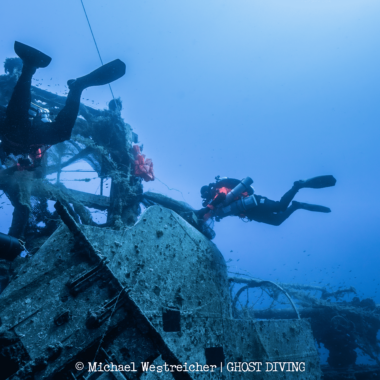
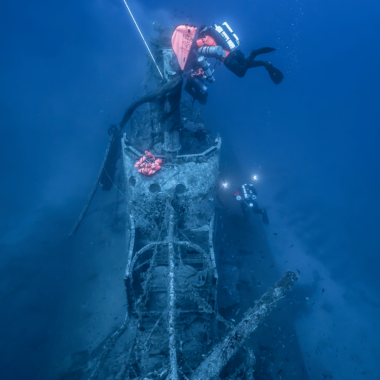
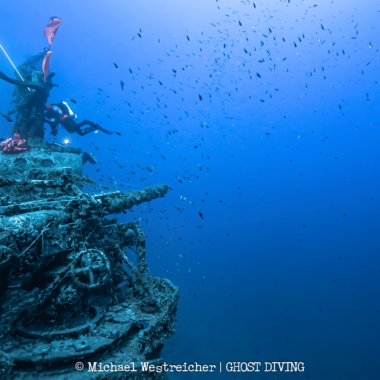
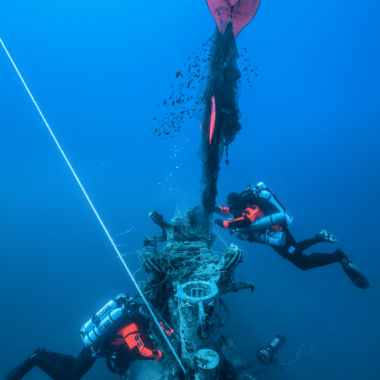
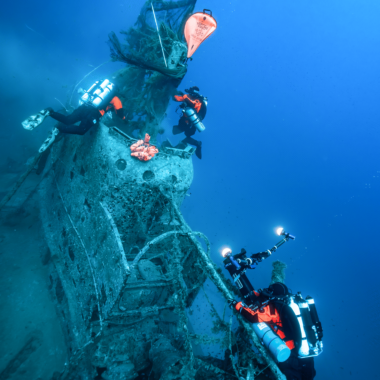
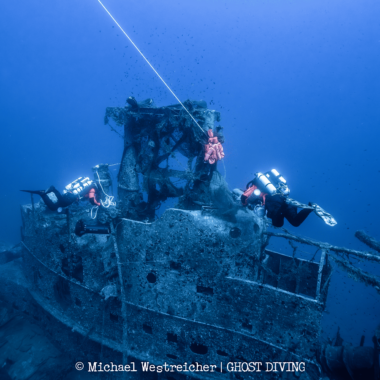
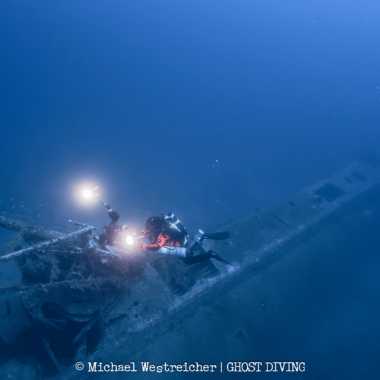
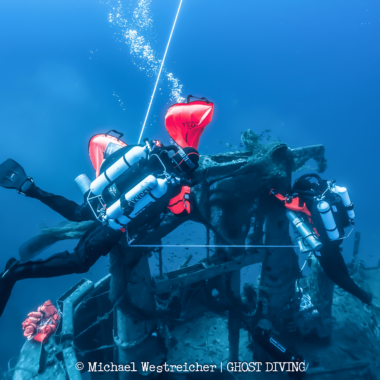
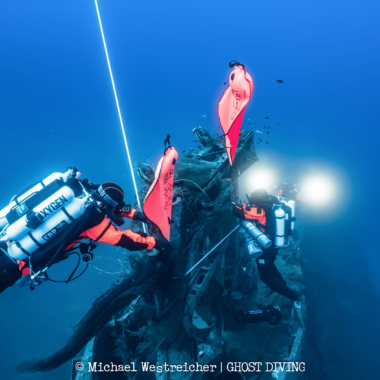
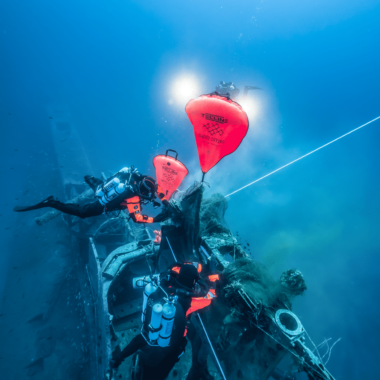
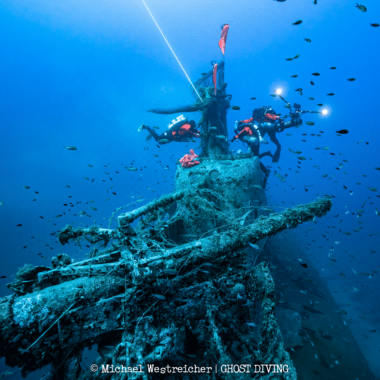
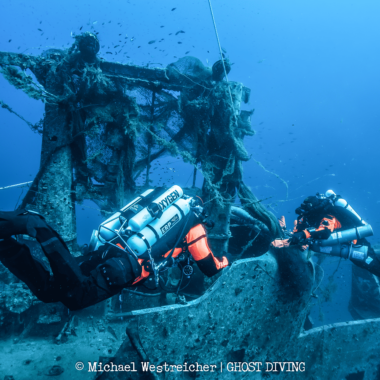
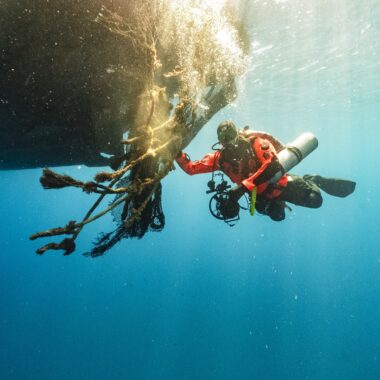
The wreck of the Perseus has become a haven for marine biodiversity, drawing a variety of underwater species. Over the years, ghost nets have entangled parts of the wreck, creating hazardous traps for marine creatures and threatening the delicate ecosystem. During our recent survey dive, we observed several new fishing nets that had settled on the site in the last four years. Visibility at the Perseus wreck reached an impressive 50 meters, offering a clear view of the diverse marine life that surrounds it.
Removing Ghost Nets: A Step Toward Ocean Health
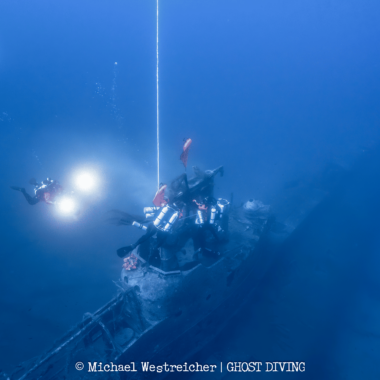
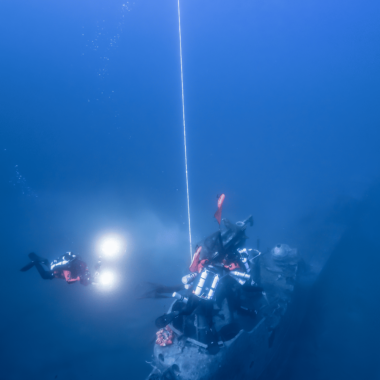
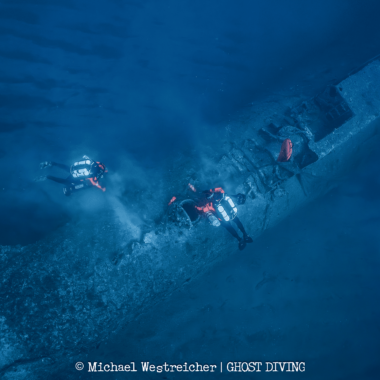
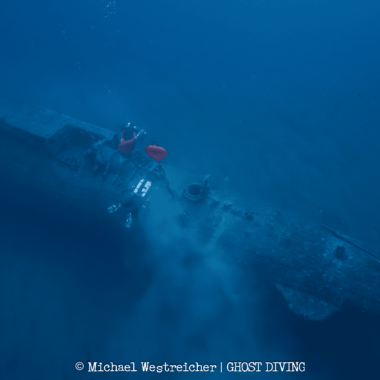
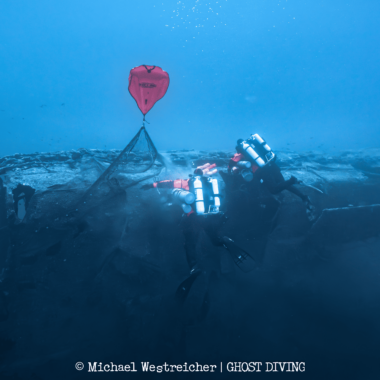
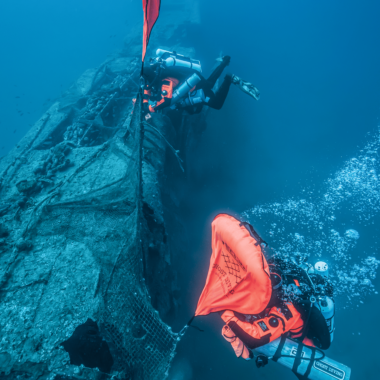
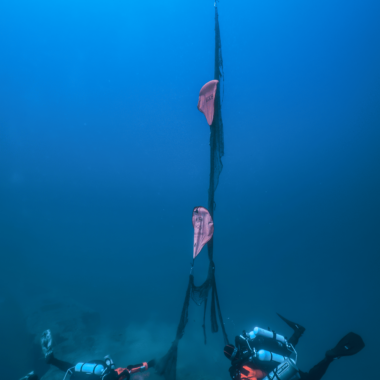
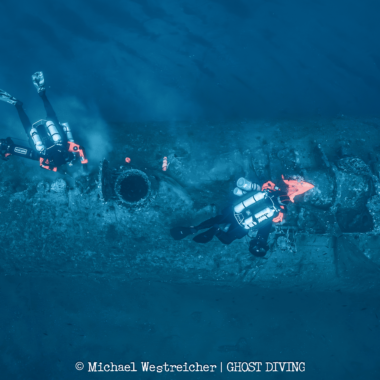
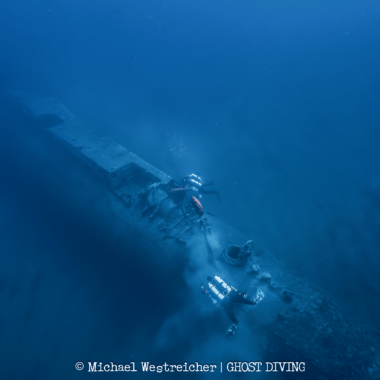
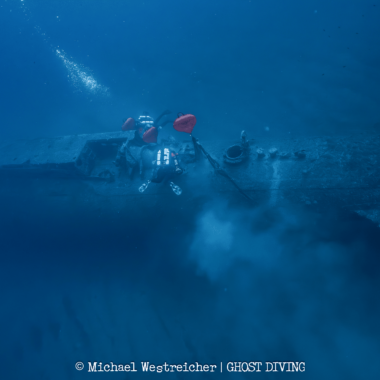
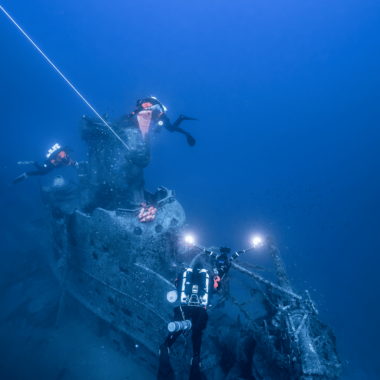
On our cleanup dive, GAMOMAT, the Healthy Seas Foundation, and volunteer divers from Ghost Diving successfully removed three large trawler nets that had latched onto various parts of the wreck, including the bow, conning tower, and the iconic escape hatch. Each area freed from these hazardous nets now offers a safer space for marine inhabitants, ensuring that the Perseus remains a sanctuary for ocean life. This cleanup effort also honors the legacy of the Perseus and its crew, especially John Capes—the lone survivor who famously escaped through the stern’s escape hatch and swam five miles to Cephalonia. His courageous story underscores the importance of protecting this historic site.
Located in the Ionian Sea, the Perseus wreck lies within a critical habitat for diverse marine species, including sea turtles and cetaceans, which rely on the region for foraging and development throughout the year. Our efforts to remove ghost nets from the Perseus contribute directly to the health of this vital ecosystem, ensuring that marine creatures can thrive in a safer, cleaner environment.
We extend our deepest gratitude to GAMOMAT for their unwavering support, which made this essential mission possible. Through their “Gaming for the Climate” initiative and partnership with Healthy Seas, GAMOMAT exemplifies the positive impact responsible businesses can have on environmental stewardship.
We also thank the volunteer divers from Ghost Diving, who bravely tackled challenging underwater conditions to make this cleanup a success.
Continuing Our Mission for a Healthier Ocean
Our mission is far from over. Each dive and every net removed brings us closer to a cleaner, healthier ocean. Inspired by the enduring story of HMS Perseus, whose compass still points to her last course, we remain dedicated to safeguarding these underwater treasures.